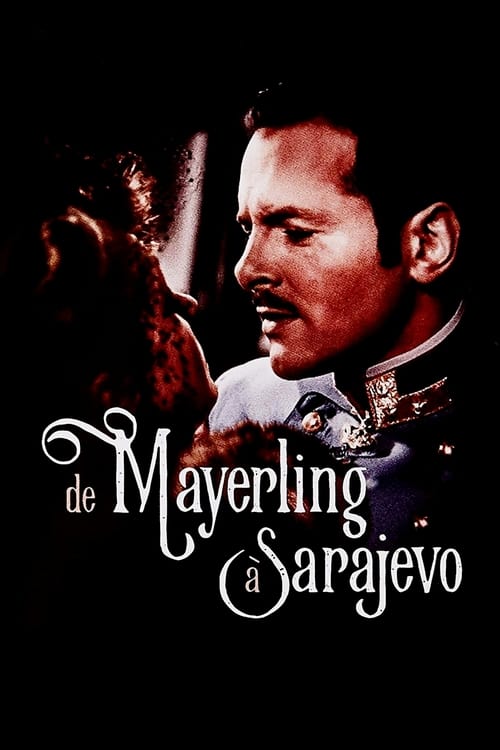
From Mayerling to Sarajevo
1940
No user ratings available yet
Representation score: 1.7 out of 10
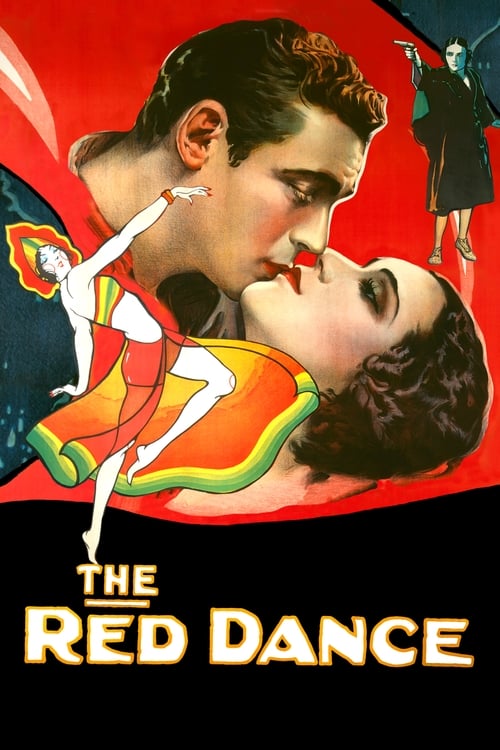
Representation Score
Limited
1928
NRDirector
Raoul Walsh
Runtime
95 minutes
Average Rating
No ratings yetNew Showbiz Analysis
The Red Dance is a historical romance reflecting the social constraints of 1928. It lacks modern multi-layered complexity and provides no LGBTQ+ representation or disability visibility. However, the film features Dolores del Río, introducing ethnic diversity into a traditional European historical setting. Ultimately, the film's strength lies in its exploration of significant social shifts through the lens of the Russian Revolution, focusing on the deconstruction of monarchical power and social volatility.
Category Breakdown
The film follows a traditional romantic storyline without any representation of LGBTQ+ identities or non-straight relationships.
Tasia serves as the emotional core of the story, but her role is closely tied to her romantic relationship with the Grand Duke and her position within the class hierarchy.
The casting of Dolores del Río adds a layer of ethnic diversity. As a Mexican actress in a Russian setting, she challenges the era's typical Hollywood homogeneity.
The narrative explores the Russian Revolution and the collapse of the aristocracy, examining themes of systemic instability and the disruption of established class structures.
There are no depictions of characters with physical, sensory, or neurodivergent disabilities.
Present on Screen
Limited or Absent
Official Synopsis
Tasia (Dolores del Río), a beautiful dancer lower class of Russia, falls heir to the throne Prince, Grand Duke Eugene (Charles Farrell), but only admired from a distance. At the outbreak of the Russian Revolution, the Duke falls in captivity and this allows Tasia be near him.
1940
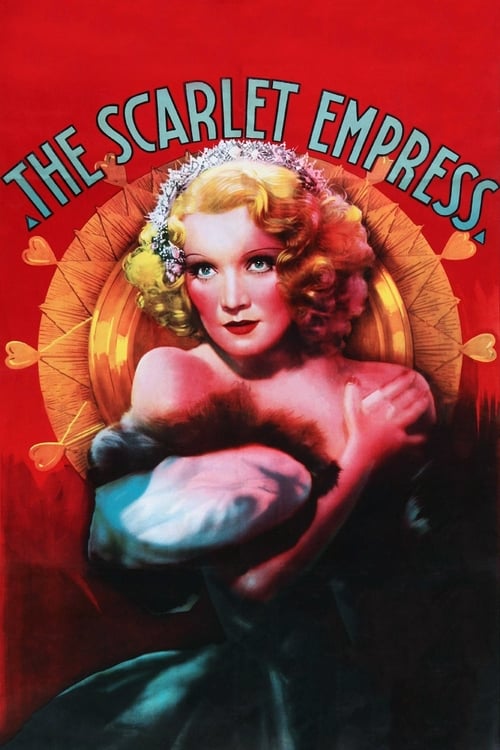
1934
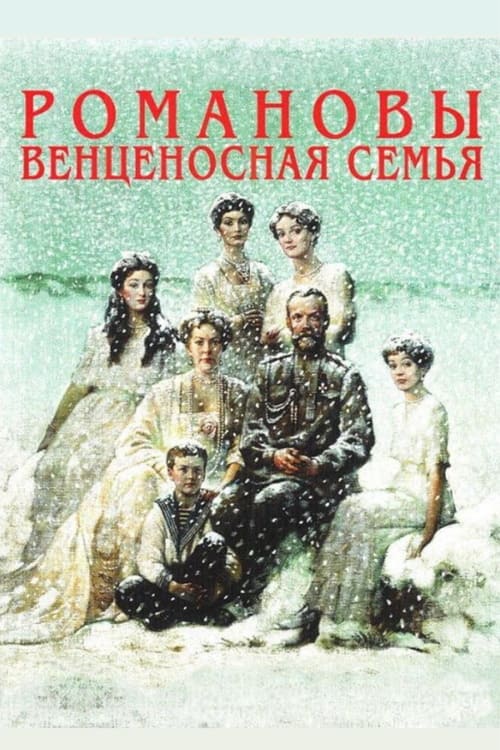
2000
1928
1917
1948
1928
1918
No reviews yet. Be the first to share your thoughts on this movie!
Use the rating form above to leave a star rating and optional review.