From Mayerling to Sarajevo
1940
No user ratings available yet
Diversity score: 2.3 out of 10
1948
ApprovedDirector
Basil Dearden
Runtime
96 minutes
Average Rating
No ratings yetSynopsis
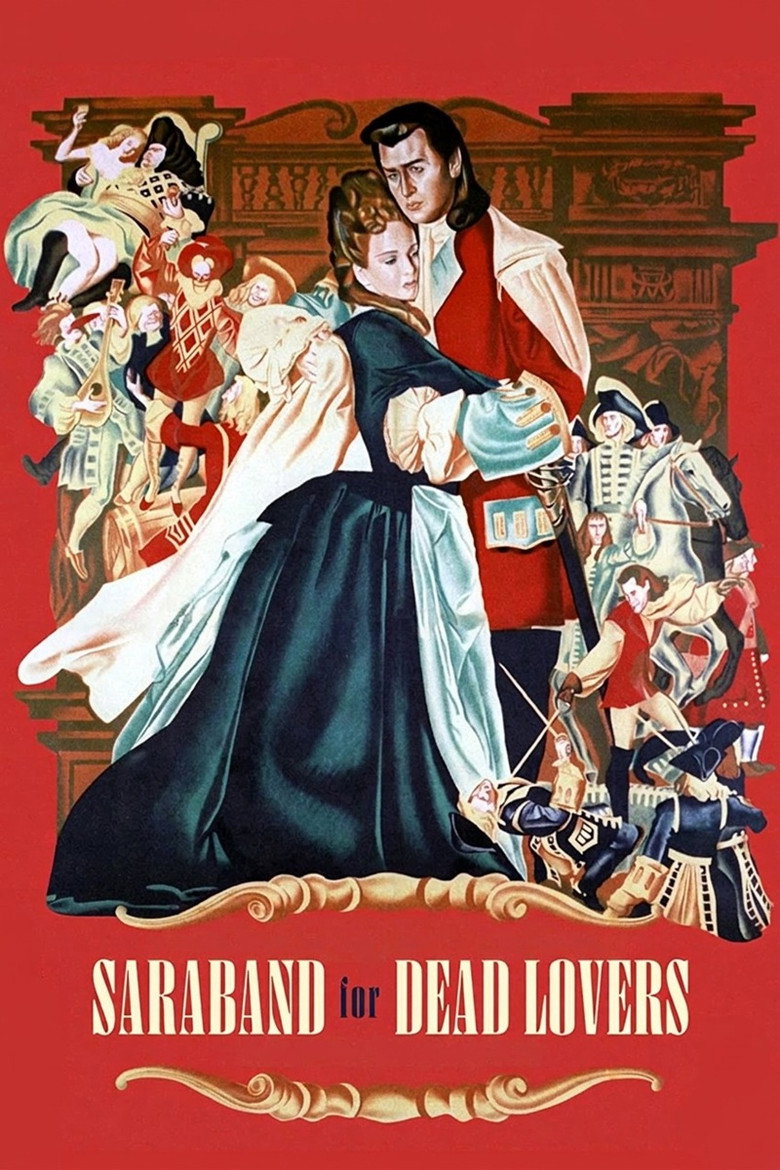
Sophie Dorothea is a young woman forced into a loveless marriage with Prince George Louis of Hanover. George Louis is later crowned King George I of England. Despairing of ever experiencing true love, the depressed queen finds life at court no solace. Sophie then falls for a dashing Swedish soldier of fortune, Count Konigsmark.
Overall Score
Limited
Category Breakdown
LGBTQ+ Representation
The film centers on a heteronormative romantic triangle involving the Queen and two men. It lacks any representation of non-cisnormative identities or critiques of traditional marital structures.
Gender Representation
Sophie Dorothea serves as a complex protagonist who seeks emotional fulfillment beyond her royal duties. Her struggle against a loveless marriage provides a degree of female agency rarely seen in passive period tropes.
Racial & Ethnic Diversity
The production reflects the era's social constraints, focusing on a predominantly white European cast. There is no evidence of racial blending or characters of color within the Hanoverian court setting.
Religious & Cultural Diversity
The narrative explores moral ambiguity through a protagonist seeking emotional truth. However, it operates within established historical romance conventions rather than critiquing Western institutions like the monarchy.
Disability Representation
The film contains no discernible depictions of physical or neurodivergent disabilities.
Strengths
Areas for Improvement
AI Analysis
Saraband for Dead Lovers is a period drama that finds its strength in the emotional autonomy of its female lead. By focusing on Sophie Dorothea's internal struggle against a state-mandated marriage, the film offers a nuanced look at gendered expectations of the era. However, the film remains deeply rooted in the demographic and social frameworks of 1940s cinema. It lacks intersectional complexity, presenting a world that is almost exclusively white and heteronormative, which limits its progressive impact. Ultimately, while the film challenges submissive femininity, it does not extend that critique to broader systemic or racial structures, resulting in a narrow social scope.
No reviews yet. Be the first to share your thoughts on this movie!
Use the rating form above to leave a star rating and optional review.