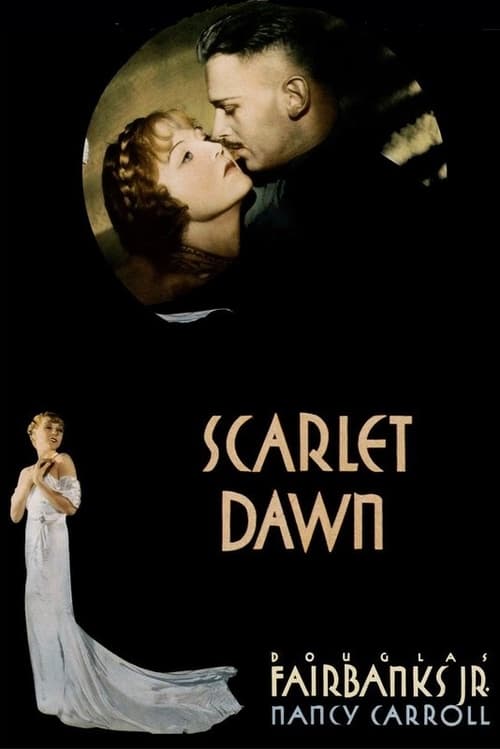
Scarlet Dawn
1932
No user ratings available yet
Representation score: 2.2 out of 10
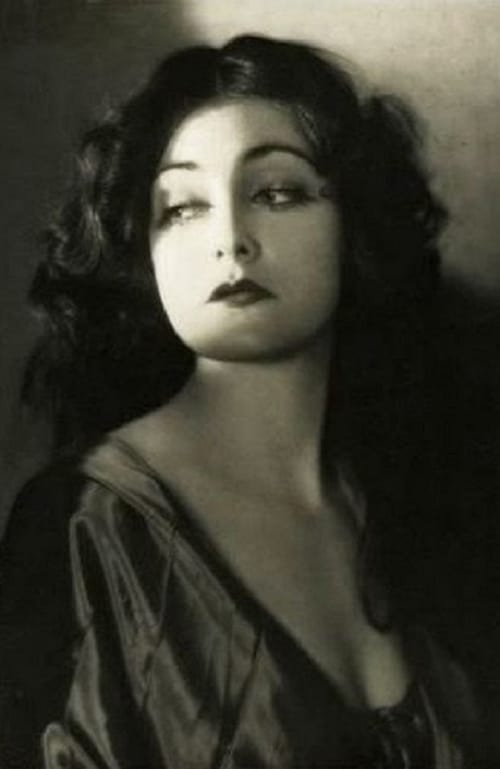
Representation Score
Limited
1928
PassedDirector
Tom Terriss
Runtime
60 minutes
Average Rating
No ratings yetNew Showbiz Analysis
Clothes Make the Woman serves as a historical melodrama set against the backdrop of the Russian Revolution. While the film explores class hierarchies and the dissolution of institutions, it lacks contemporary multi-layered depth. The narrative centers on the survival of a high-status woman amid political turmoil, providing a female-centric storyline but remaining tied to the era's tendency towards romanticized suffering. Ultimately, the film reflects the social norms of 1928, emphasizing historical spectacle and individual ability to act within systemic chaos rather than offering a progressive critique of societal structures.
Category Breakdown
The film follows the traditional romantic conventions of its time, with no representation of LGBTQ+ identities or non-binary gender roles.
The story revolves around Princess Anastasia, offering a narrative focused on a woman. However, the lead character's role is often defined by her vulnerability and romantic struggles.
Set during the Russian Revolution, the film addresses ethnic and class identities, but these portrayals may rely on conventional ethnic stereotypes of the era.
The narrative delves into the collapse of the Russian monarchy and the shift from monarchical stability to revolutionary chaos, examining the impact of these changes.
The film contains no visible or invisible depictions of characters with disabilities.
Present on Screen
Limited or Absent
Official Synopsis
A young Russian peasant feels pity for the Princess Anastasia and saves her life by accidentally wounding her in the massacre of the Romanovs during the Russian Revolution.
1932
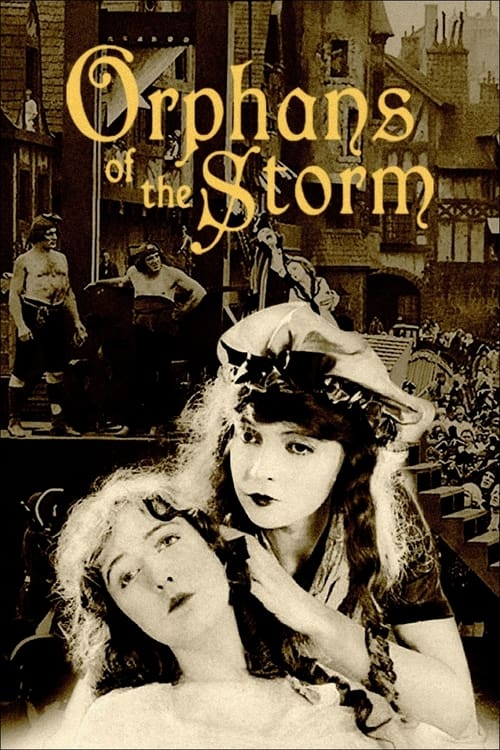
1921
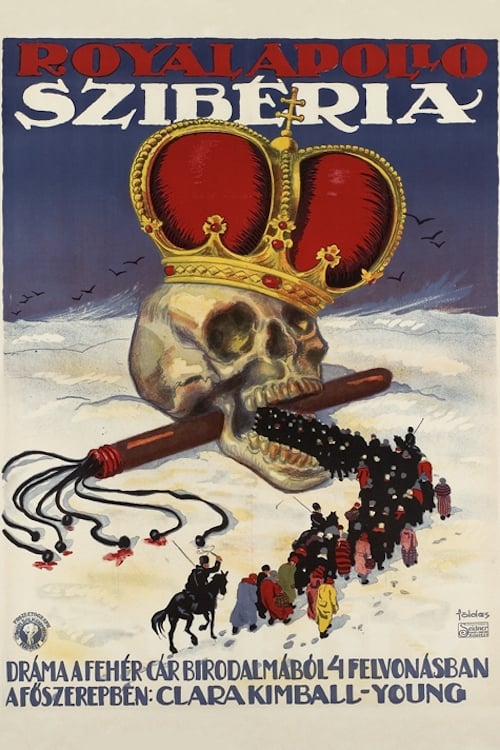
1915
2012
1937
1990
1963
2005
No reviews yet. Be the first to share your thoughts on this movie!
Use the rating form above to leave a star rating and optional review.