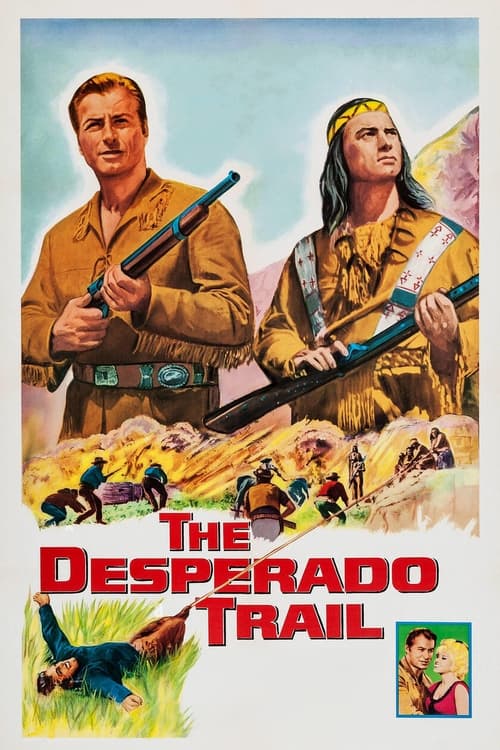
The Desperado Trail
1965
No user ratings available yet
Representation score: 2.8 out of 10
Representation Score
Limited
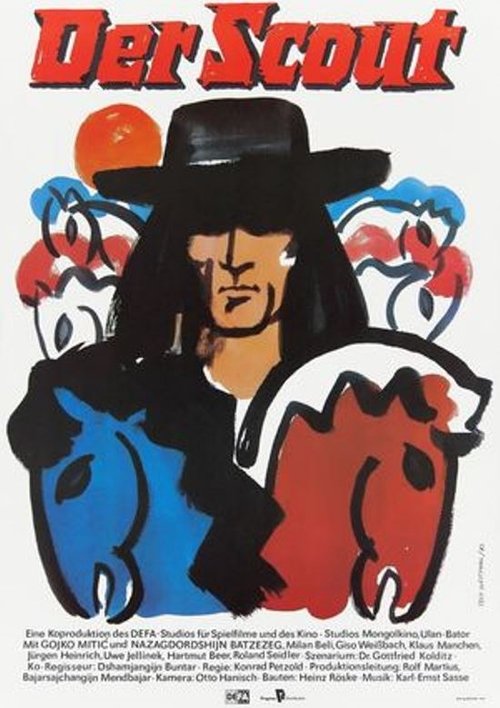
1983
Director
Buntar Jamiyan, Konrad Petzold
Runtime
95 minutes
Average Rating
No ratings yetNew Showbiz Analysis
The Scout serves as a revisionist Western that challenges the traditional myth of westward expansion. By centering the Nez Percé tribe, the film shifts the perspective away from the standard settler-hero narrative toward a study of systemic oppression. While the film excels at portraying the racial ability to act and the survival struggles of indigenous people, it remains limited in other areas. The narrative relies heavily on masculine archetypes and lacks representation of LGBTQ+ identities or strong female characters. Ultimately, the film's value lies in its critique of institutional authority and its focus on the displacement caused by the cavalry, providing a more complex view of the 19th-century frontier.
Category Breakdown
The film does not include any characters with non-binary gender identities or same-sex relationships. The plot focuses solely on the geopolitical and tribal conflicts of the 1877 era.
The story centers on traditional masculine roles such as warriors and cavalrymen. There is no evidence of strong female characters or challenges to traditional gender roles.
The film breaks Western stereotypes by focusing on the Nez Percé perspective. It emphasizes the ability to act and struggles of indigenous people facing colonial expansion.
The movie challenges frontier myths by presenting the cavalry as a force of systemic displacement. It criticizes Western institutions and the corruption of tribal autonomy.
There is no information available regarding the depiction of physical or neurodivergent disabilities in this film.
Present on Screen
Limited or Absent
Official Synopsis
1877, the tribe of the Nez Percés Indians are driven into the reservation by a white cavalry force. So that they can not escape, their horses are requisitioned. Sub-chief "White Feather" has no choice but to make a scout with the cavalry and retrieve the stolen horses through his life.
1965
1964
1959
1970
1964

1950
1967
1964
No reviews yet. Be the first to share your thoughts on this movie!
Use the rating form above to leave a star rating and optional review.