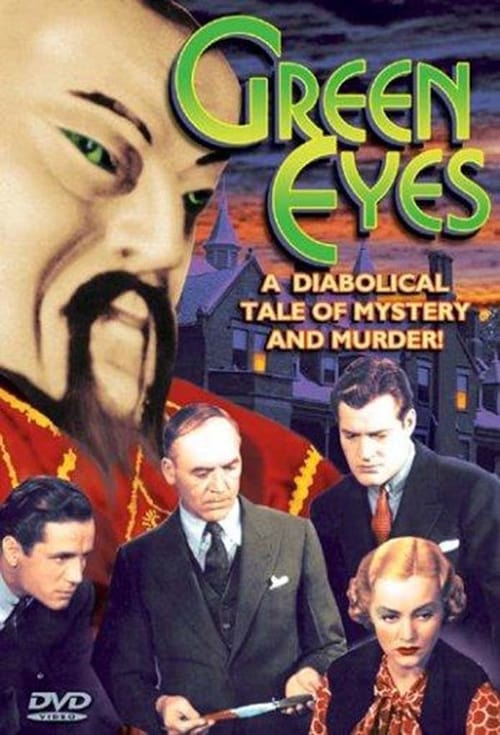
Green Eyes
1934
No user ratings available yet
Representation score: 1.4 out of 10
Representation Score
Minimal
1941
ApprovedDirector
D. Ross Lederman
Runtime
64 minutes
Average Rating
No ratings yetNew Showbiz Analysis
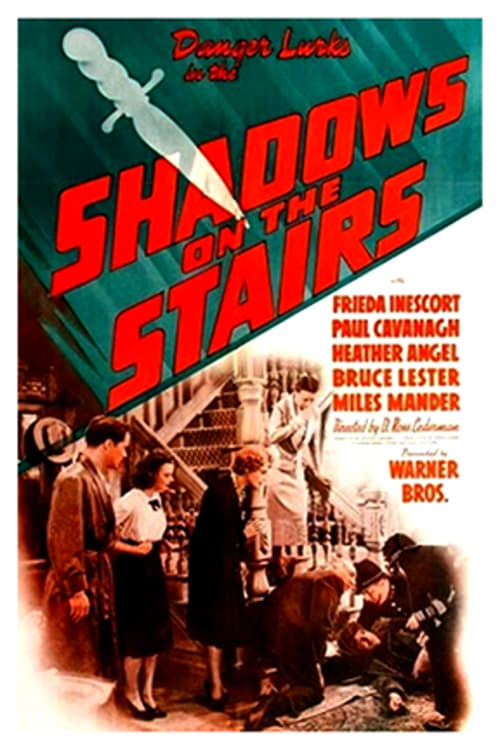
Shadows on the Stairs is a product of its time, functioning as a conventional genre exercise focused on plot resolution rather than social exploration. The film relies heavily on established clichés of masculine ability to act and homogeneous social structures, offering no engagement with diverse identities. The narrative structure upholds the status quo of the early 1940s. By focusing on a traditional detective framework, the film avoids any subversion of social hierarchies or the exploration of varied human experiences.
Category Breakdown
The film follows the straight-centered conventions typical of 1940s cinema. There are no representations of LGBTQ+ identities or same-sex relationships.
The male protagonist, Robert Paige, drives the narrative. Female characters mainly serve as emotional catalysts or subjects of mystery rather than independent agents.
The cast is homogeneous, reflecting the demographics of 1941 productions. The film lacks characters of color with significant roles or intentional racial diversity.
The story adheres to a traditional Western mystery framework. It aims to restore social order without challenging systemic power or established institutions.
The film does not address neurodivergence, physical disabilities, or mental health issues. Characters are portrayed through standard genre archetypes.
Present on Screen
Limited or Absent
Official Synopsis
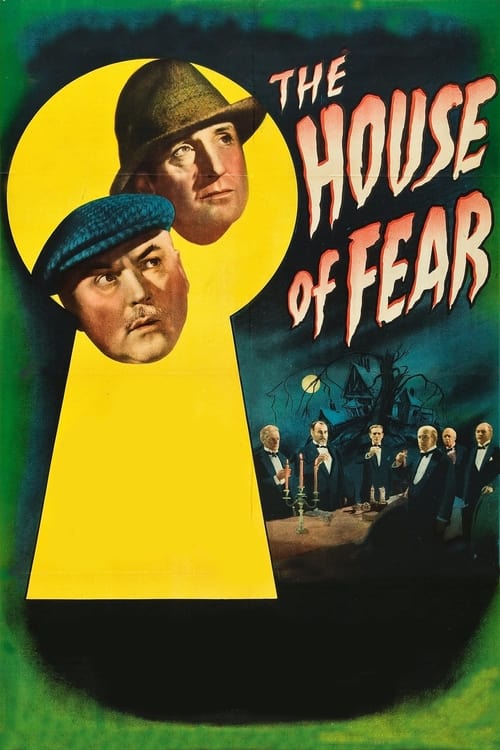
Occupants of a London boarding house become suspects as a string of murders are discovered.
1934
1942
1940
1940
1936
1945
1942
1945
No reviews yet. Be the first to share your thoughts on this movie!
Use the rating form above to leave a star rating and optional review.