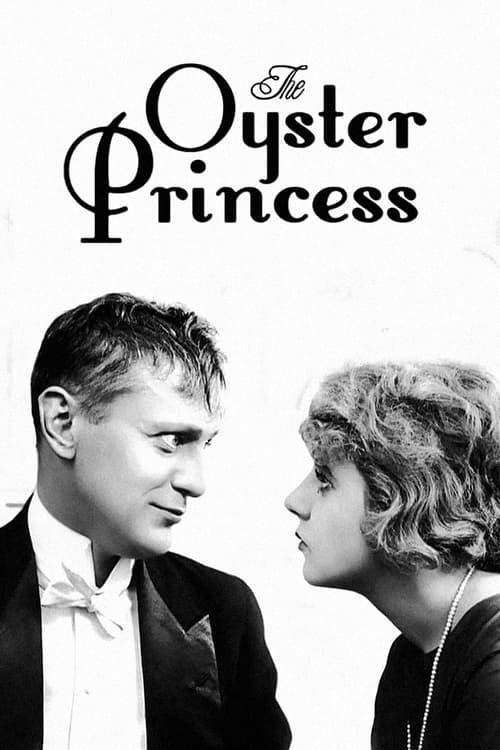
The Oyster Princess
1919
No user ratings available yet
Diversity score: 3.9 out of 10

1916
Director
Ernst Lubitsch
Runtime
45 minutes
Average Rating
No ratings yetSynopsis
Sally Pinkus is an German-Jewish boy who takes a job as a shoe store clerk after being expelled from school for goofing around. Soon fired for trying to court the owner's daughter, Pinkus lands another job in a more 'upmarket' shoe salon, only to be fired again, before charming a rich benefactress to fund his ultimate dream: Pinkus' Shoe Palace.
Overall Score
Good
Category Breakdown
LGBTQ+ Representation
The film focuses on traditional courtship and romantic pursuits. There is no explicit evidence of non-heteronormative identities or queer themes present in the narrative.
Gender Representation
While the story follows a male protagonist's journey, a rich benefactress provides significant agency. Her financial power disrupts traditional gendered economic hierarchies by funding the hero's ambitions.
Racial & Ethnic Diversity
The film centers on Sally Pinkus, a German-Jewish protagonist. This provides meaningful ethnic agency by focusing on his individual merit and social mobility rather than caricature.
Religious & Cultural Diversity
The narrative critiques rigid class structures and upmarket salon culture. It prioritizes individualistic ambition and social mobility over the preservation of established institutional hierarchies.
Disability Representation
There are no visible or mentioned depictions of physical or neurodivergent disabilities within the story.
Strengths
Areas for Improvement
AI Analysis
Pinkus's Shoe Palace stands out for its centering of a German-Jewish protagonist navigating social mobility. By focusing on Sally Pinkus's journey from an expelled student to a successful entrepreneur, the film avoids ethnic caricature in favor of individual merit. The film also offers subtle subversions of social norms. The presence of a female benefactress who provides the capital for the protagonist's dream challenges traditional gendered economic roles. Additionally, the story's critique of 'upmarket' culture suggests a skepticism toward rigid class hierarchies. However, the film remains rooted in the romantic and social conventions of 1916. It lacks explicit LGBTQ+ representation and does not feature characters with disabilities, keeping the narrative within the standard bounds of its era.
1919

1993

2013

1997
1927
1922

1914
1952
1914
1926

1949

1925
No reviews yet. Be the first to share your thoughts on this movie!
Use the rating form above to leave a star rating and optional review.