Shadow of the Thin Man
1941
No user ratings available yet
Representation score: 1.4 out of 10
Representation Score
Minimal
1939
NRDirector
W.S. Van Dyke
Runtime
103 minutes
Average Rating
No ratings yetNew Showbiz Analysis
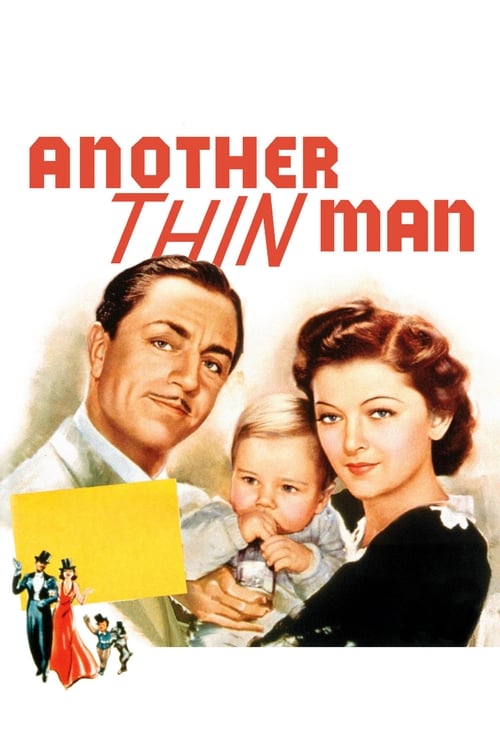
Another Thin Man is a sophisticated comedy that excels in its portrayal of gender dynamics. By presenting Nora Charles as an intellectual equal to Nick, the film challenges the era's passive housewife clichés in favor of a symbiotic, capable partnership. However, the film is limited by the social constraints of 1939. It lacks racial and ethnic diversity, focusing almost exclusively on a homogeneous, white, upper-class social circle. This narrow demographic scope keeps the overall diversity score low. Ultimately, while the film offers a progressive model of women's ability to drive the story for its time, it remains a product of a traditional Western framework that reinforces existing class hierarchies and lacks characters who reflect more than one aspect of diversity.
Category Breakdown
The film does not include any LGBTQ+ characters or explore non-assuming gender matches what was assigned at birth identities. Social interactions are centered around the assumption that everyone is straight and cisgender.
Nora Charles challenges traditional gender roles by being a witty and intellectually capable partner to Nick. She plays a significant role in driving the story through an egalitarian partnership.
The cast and social circles are predominantly white and upper-class, reflecting the era's homogeneous social settings. The film does not include diverse ethnic perspectives.
The story operates within a traditional Western framework that upholds established class structures. It celebrates a sophisticated lifestyle without engaging in anti-institutional or secular critiques.
There are no prominent depictions of visible or invisible disabilities. No characters utilize disability as a central narrative driver within the provided details.
Present on Screen
Limited or Absent
Official Synopsis
Nick and Nora Charles are back - and this time, they have a baby, a wealthy new client, and another murder to solve! Retired detective Nick is enjoying family life with Nora and their young son, Nick Jr., when eccentric industrialist Colonel MacFay asks for protection after receiving threatening messages. When MacFay is found dead at his isolated estate, Nick and Nora spring into action, questioning a houseful of suspicious guests and uncovering greed, blackmail, family secrets, and a dangerous inheritance plot. With their trademark wit and sophistication, the glamorous couple balances parenthood, parties, and peril as they race to expose the killer.
1941
1934
1936
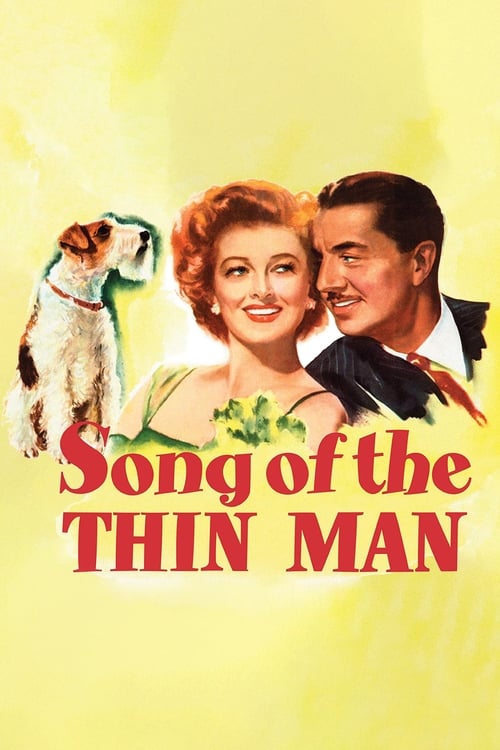
1947
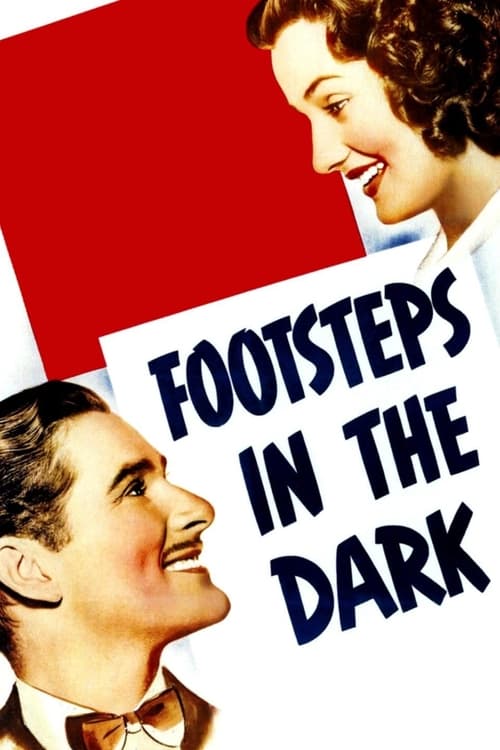
1941
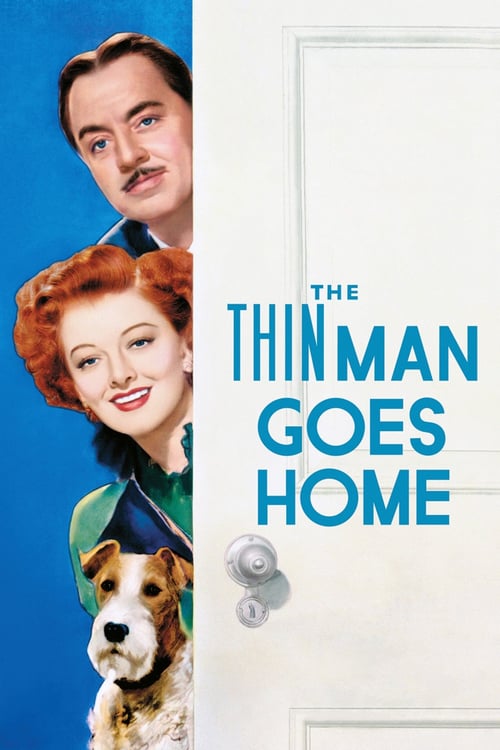
1944
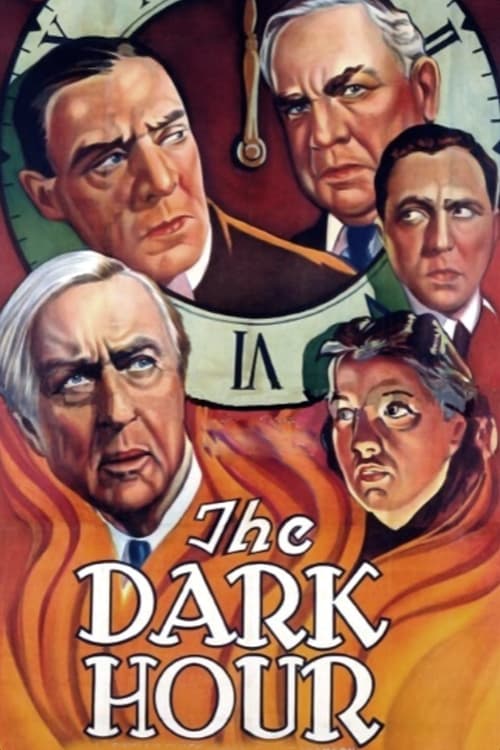
1936
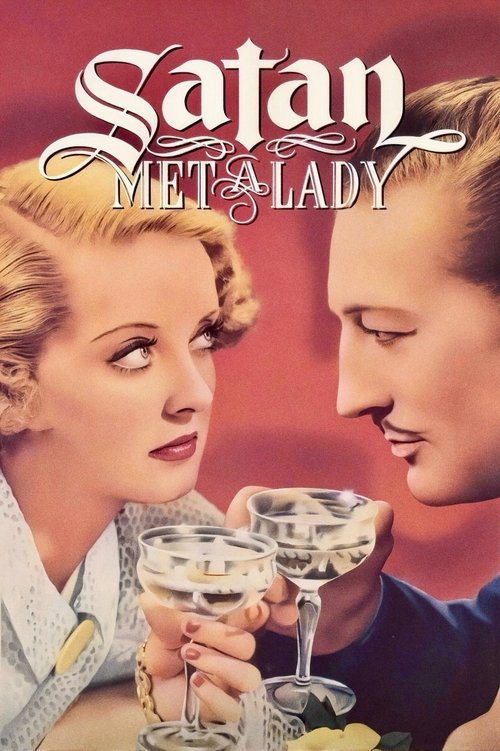
1936
No reviews yet. Be the first to share your thoughts on this movie!
Use the rating form above to leave a star rating and optional review.