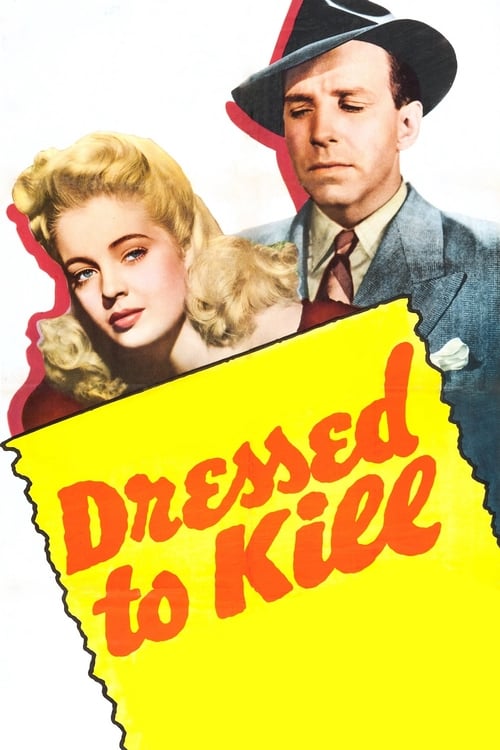
Dressed to Kill
1941
No user ratings available yet
Representation score: 2.0 out of 10
Representation Score
Minimal
1947
NRDirector
Eugene Forde
Runtime
76 minutes
Average Rating
No ratings yetNew Showbiz Analysis
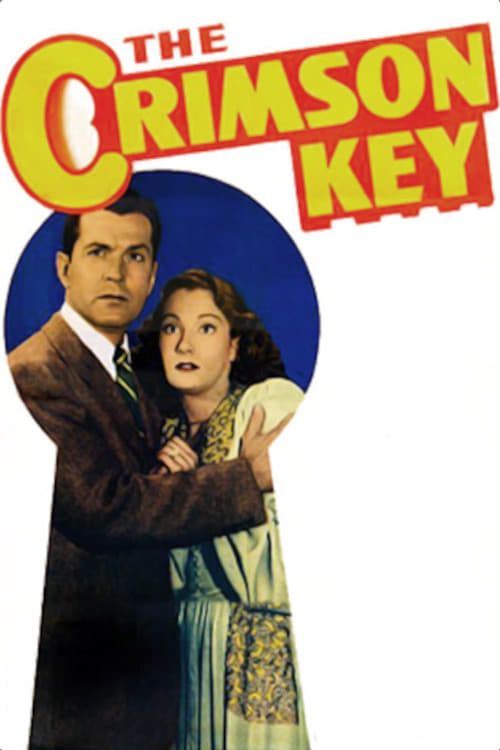
The Crimson Key is a quintessential 1940s noir mystery that adheres strictly to the genre conventions of its time. It functions as a standard detective procedural, prioritizing plot resolution and established archetypes over social subversion. The film reinforces traditional hierarchies through its character dynamics and casting. The narrative structure relies on a male protagonist to restore order, while the supporting cast reflects the era's lack of racial and cultural diversity. Ultimately, the work lacks the intentionality needed to challenge the social norms of the late 1940s, serving instead as a product of the standardized studio system.
Category Breakdown
The film follows a standard framework that assumes everyone is straight or cisgender. The plot revolves around a heterosexual client-detective relationship and a marriage under suspicion.
Gender roles adhere to traditional noir archetypes. The female lead either catalyzes the plot or becomes a victim, while the male protagonist retains control over the investigation.
The production reflects the homogeneous casting standards of the 1940s. There is no indication of a non-white majority cast or diverse ethnic perspectives.
The narrative upholds established social orders and legal institutions. It emphasizes individual problem-solving rather than critiquing Western societal structures.
There is no information available regarding the inclusion or depiction of characters with physical or neurodivergent disabilities.
Present on Screen
Limited or Absent
Official Synopsis
Larry Morgan, a private detective, is hired by a woman who wants Larry to trail her husband. The husband is murdered and, shortly afterwards, the wife is also killed. Larry shuffles through a long list of suspects before revealing the killer...
1941
1946
1945
1944
1961
1948
1946
1947
No reviews yet. Be the first to share your thoughts on this movie!
Use the rating form above to leave a star rating and optional review.