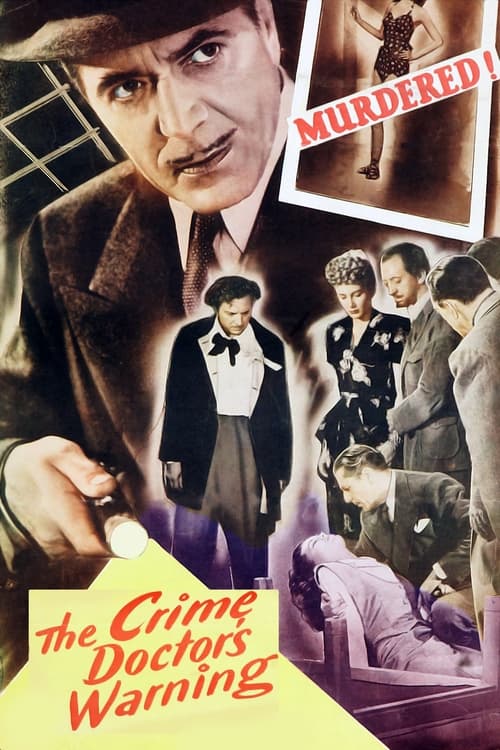
The Crime Doctor's Warning
1945
No user ratings available yet
Representation score: 1.8 out of 10
Representation Score
Limited
1945
NRDirector
George Sherman
Runtime
70 minutes
Average Rating
No ratings yetNew Showbiz Analysis
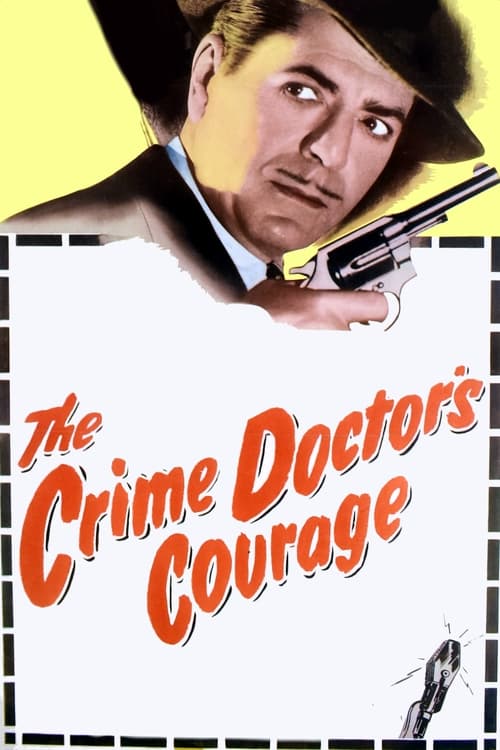
The Crime Doctor's Courage is a product of the 1945 studio system, prioritizing genre conventions over social subversion. It functions as a standard mystery procedural that reinforces the institutional authority of its era. The film lacks representation of multiple aspects of identity, reflecting the era's reliance on traditional archetypes. Characters and themes are shaped by the period's strict censorship and homogeneous casting standards. Ultimately, the work upholds established social hierarchies rather than challenging them, offering a narrow view of identity and ability to act.
Category Breakdown
The film adheres to the strict censorship of the 1940s, which prevented any depiction of LGBTQ+ identities. The narrative structure reinforces traditional social norms.
Female characters likely play secondary roles such as victims or witnesses. The investigative ability to act remains centered on the male protagonist, maintaining standard gender hierarchies.
The production reflects the homogeneous casting standards of the studio era. It lacks evidence of diverse casting, adhering to the demographic norms of mid-20th century Hollywood.
The story relies on established medical and legal institutions to maintain social order. It portrays Western institutional authority as a stable, necessary force.
Mental health themes serve primarily as plot devices for the mystery. The film lacks nuanced explorations of neurodivergence or the lived experiences of psychologically complex characters.
Present on Screen
Limited or Absent
Official Synopsis
A criminal psychiatrist investigates the murder of a two-time widower.
1945

1946
1943
1940
1941
1945
1952
1946
No reviews yet. Be the first to share your thoughts on this movie!
Use the rating form above to leave a star rating and optional review.