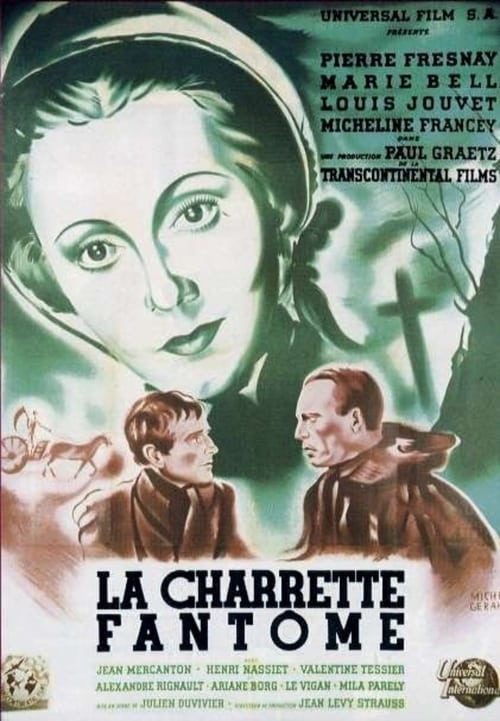
The Phantom Wagon
1939
No user ratings available yet
Diversity score: 1.6 out of 10
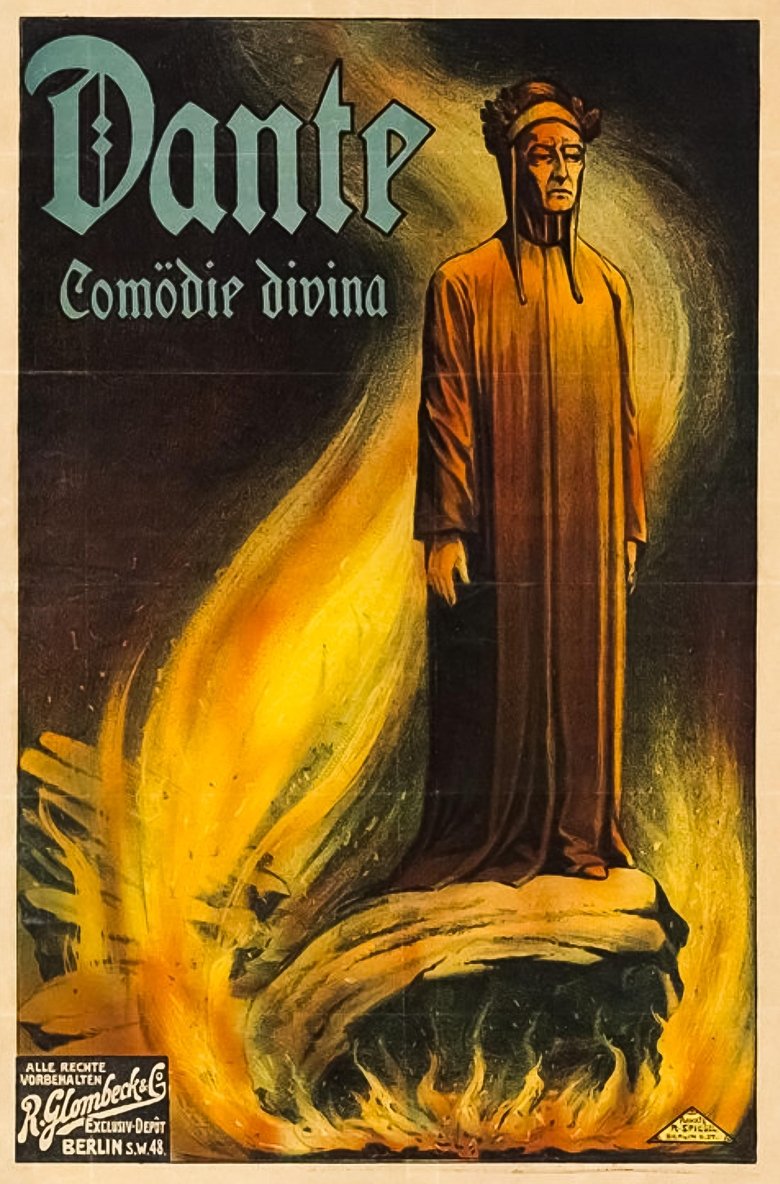
1911
Director
Giuseppe Berardi, Arturo Busnengo
Runtime
15 minutes
Average Rating
No ratings yetSynopsis
A two-reel adaptation of Dante Alighieri's Inferno from the Divine Comedy by Helios Film. It is less well-known than the five-reel feature produced the same year by Milano Films, but it was released earlier in 1911.
Overall Score
Minimal
Category Breakdown
LGBTQ+ Representation
The film lacks any evidence of non-cisnormative identities. The narrative follows traditional moral hierarchies that do not critique heteronormativity.
Gender Representation
The story centers on a male protagonist as the primary agent of discovery. Female figures appear mostly as symbolic or allegorical motivators.
Racial & Ethnic Diversity
This European production reflects a homogeneous cultural lens. There is no indication of diverse casting or the use of non-human species as ethnic metaphors.
Religious & Cultural Diversity
The film engages with traditional Western religious institutions. It visualizes and reinforces classical Christian concepts of divine justice and moral consequence.
Disability Representation
Characters experience physical suffering within the circles of hell. However, these portrayals function as narrative devices for moral punishment rather than meaningful representation.
Strengths
Areas for Improvement
AI Analysis
Dante's Inferno (1911) acts as a historical preservation of the Western literary canon. The film focuses on visualizing Dante Alighieri’s theological hierarchies rather than exploring modern social identities. The narrative structure is inherently tied to early 20th-century moral frameworks. It prioritizes the classical Christian concept of divine justice, which reinforces established religious and gendered hierarchies. Ultimately, the film serves as a foundational artifact of silent cinema. It lacks the intentionality required to disrupt or represent diverse social or identity-based norms.
1939
1924
1912
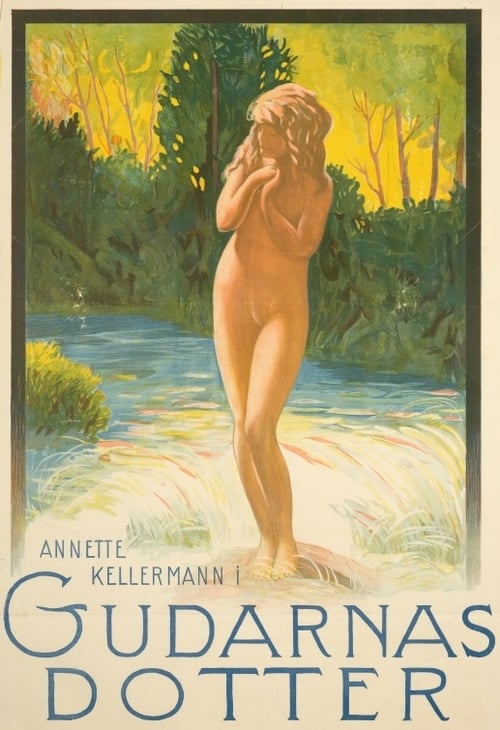
1916
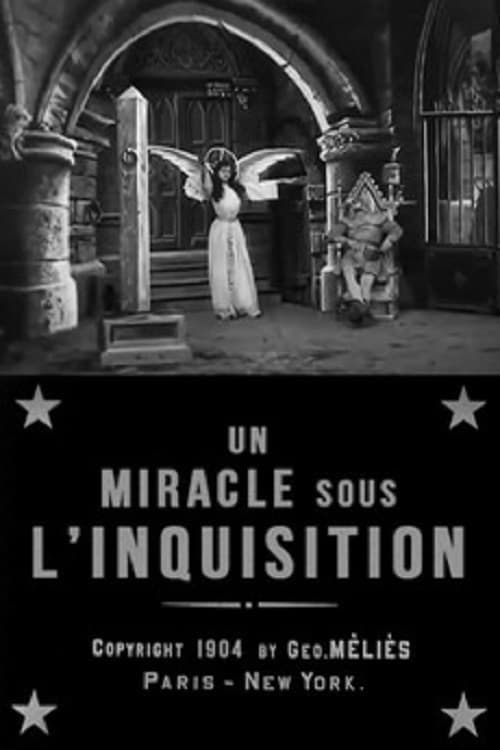
1904
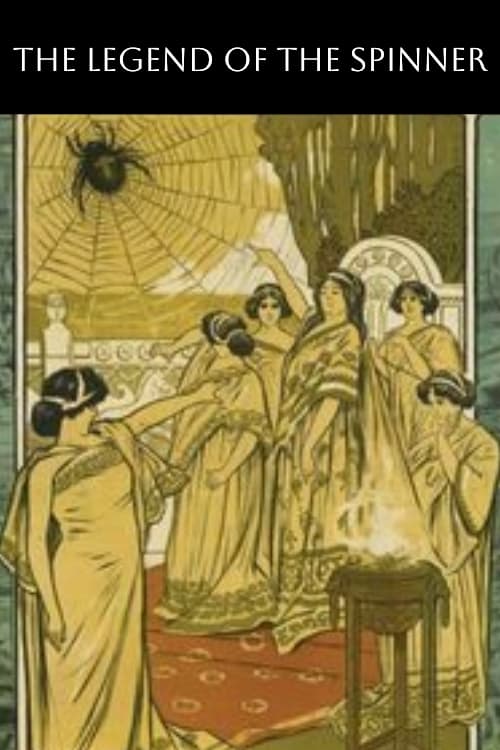
1908
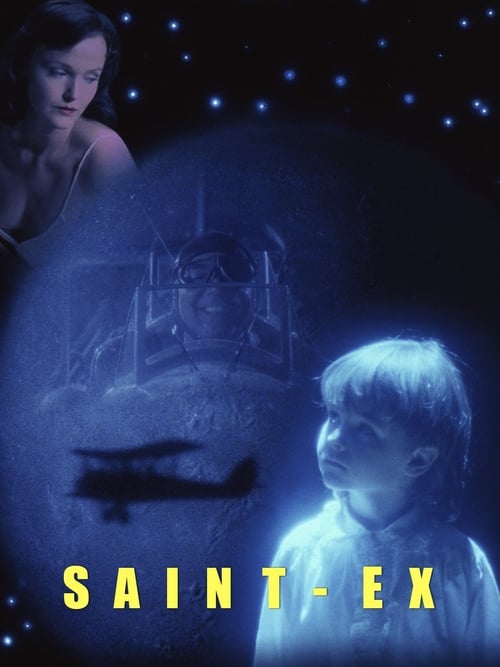
1996
1986
2016
1926
1904
1901
No reviews yet. Be the first to share your thoughts on this movie!
Use the rating form above to leave a star rating and optional review.