Find another title
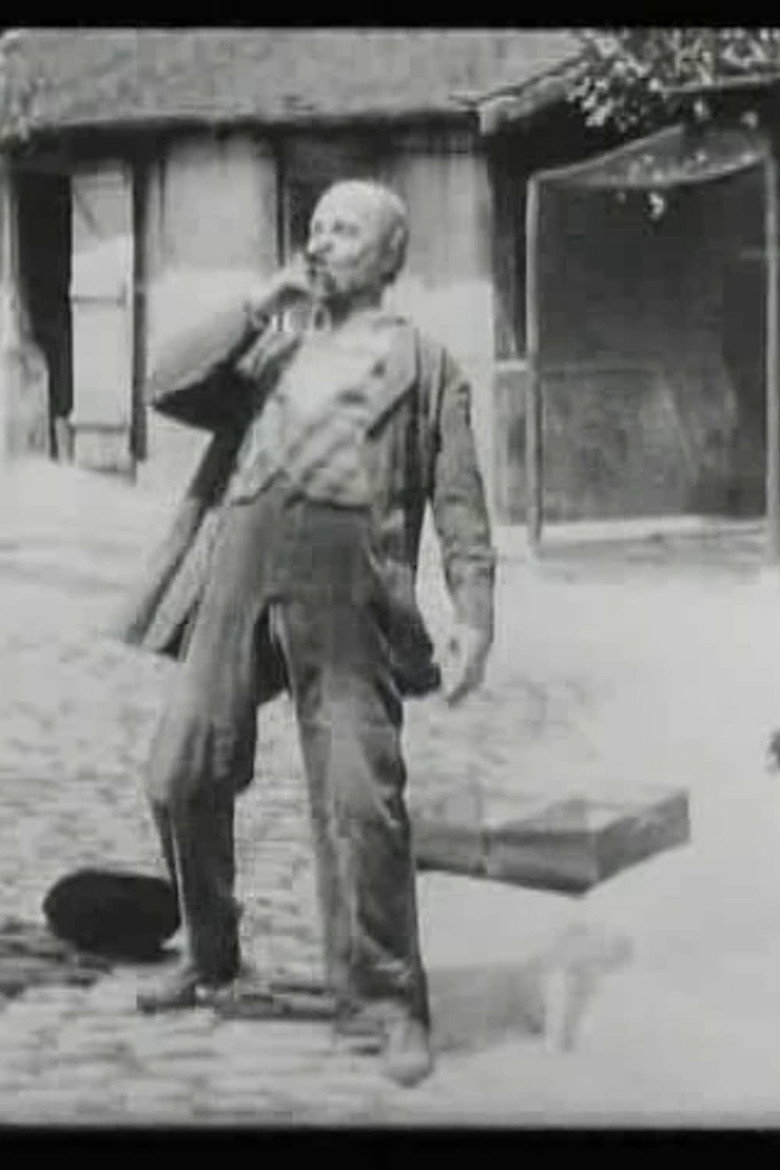
The Magician's Alms
1905
Not RatedDirector
Alice Guy-Blaché
Runtime
3 minutes
Average Rating
No ratings yetSynopsis
A magician transforms a tiny dinner table into a full meal for a homeless man.
Where to Watch
Diversity & Representation
Overall Score
Fair
Category Breakdown
LGBTQ+ Representation
The film lacks any indication of queer identities or non-heteronormative dynamics. The narrative focuses strictly on the interaction between a magician and a homeless man.
Gender Representation
Alice Guy-Blaché’s role as director provides significant value here. Her position as a creative architect disrupts the male-dominated technical hierarchies of the early film industry.
Racial & Ethnic Diversity
There is no verifiable information regarding the racial or ethnic identities of the performers. The film addresses class rather than specific ethnic representation.
Religious & Cultural Diversity
The story uses magic to subvert material scarcity and address systemic need. It prioritizes social empathy by framing charity through a lens of wonder.
Disability Representation
The depiction of a homeless man touches on socioeconomic vulnerability. The character is granted agency through the receipt of sustenance rather than being a background element.
Strengths
- Alice Guy-Blaché's direction disrupts early cinematic gender hierarchies.
- The narrative uses magical realism to address social vulnerability and empathy.
- The film grants agency to a marginalized character through the act of charity.
Areas for Improvement
- The film lacks visible representation of racial or ethnic diversity.
- There is no evidence of LGBTQ+ identities or dynamics within the story.
- The short duration limits the depth of character and social exploration.
AI Analysis
The film's primary strength lies in its historical context and its thematic focus on social empathy. By centering a narrative on providing for the disenfranchised, it uses fantasy to address real-world material lack. However, the film's brevity and the era's technical constraints limit its scope. The lack of specific information regarding racial or ethnic identities prevents a more comprehensive diversity assessment. Ultimately, the work is a notable artifact of early cinema, distinguished by Guy-Blaché's leadership and a proto-cinematic interest in highlighting the needs of the marginalized.
Rate this Movie
Reviews
No reviews yet. Be the first to share your thoughts on this movie!
Use the rating form above to leave a star rating and optional review.