
Cinderella
2000
No user ratings available yet
Representation score: 2.0 out of 10
Representation Score
Good
2002
Director
Gavin Millar
Runtime
90 minutes
Average Rating
No ratings yetNew Showbiz Analysis
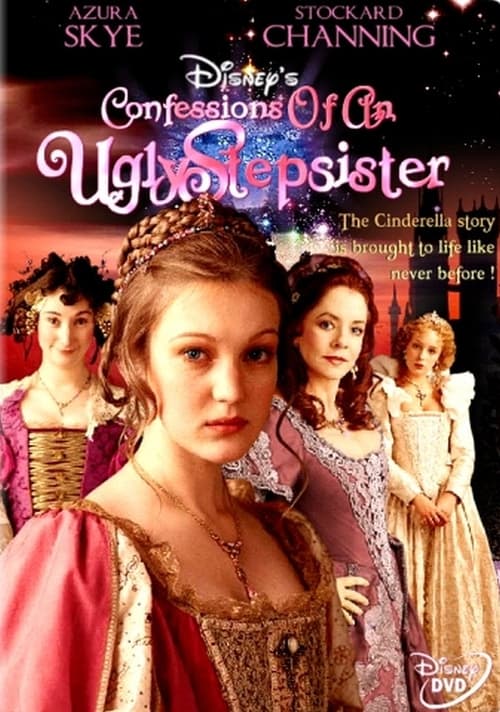
Confessions of an Ugly Stepsister reimagines the classic Cinderella story by highlighting a underrepresented figure. It dismantles the binary of beauty and villainy, emphasizing psychological depth and subjective identity over traditional fairy tale spectacle. Though the film lacks broad racial diversity and explicit LGBTQ+ representation, it effectively challenges gender hierarchies. It replaces simple moral clarity with a nuanced exploration of individual ability to act and social standing. Overall, the film serves as a postmodern critique of folklore, prioritizing complex character development over conventional genre formulas.
Category Breakdown
The film does not explicitly depict queer identities or non-cisgender expressions. However, its reinterpretation of romantic clichés hints at a move away from traditional straight-centered fairy tales.
By focusing on a female character who doesn't fit idealized beauty standards, the film challenges traditional patriarchal norms. This shift emphasizes the female experience moving beyond passive romance towards active self-actualization.
The story remains within a historically homogeneous European folklore framework. There is no indication of diverse ensemble casting or race-bent casting in this traditional Western setting.
The film redefines villains as complex individuals rather than one-dimensional antagonists. This approach challenges established social orders and traditional truths, providing a platform for the outsider.
The 'ugly' stepsister concept explores physical appearance as a barrier to social acceptance. The narrative delves into the psychological impact of exclusion from societal standards.
Present on Screen
Limited or Absent
Official Synopsis
A look at the classic "Cinderella" story from the perspective of one of her 'ugly' stepsisters
2000
1970
2008
1997
2002
2007

2010

2025
No reviews yet. Be the first to share your thoughts on this movie!
Use the rating form above to leave a star rating and optional review.