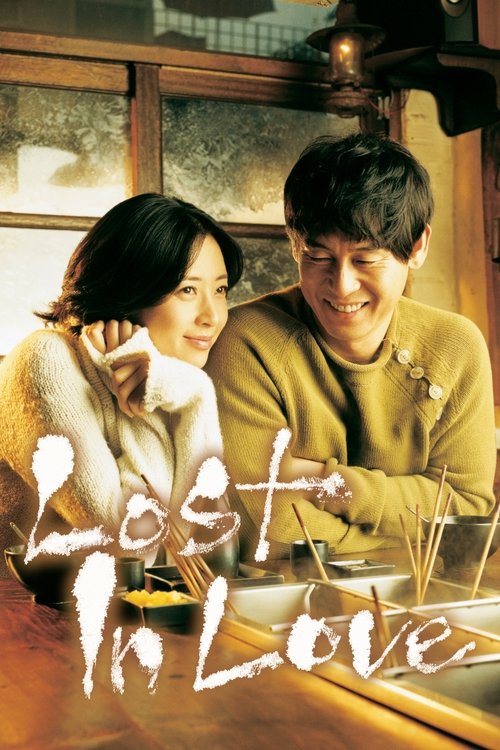
Lost in Love
2006
No user ratings available yet
Diversity score: 4.5 out of 10

2011
Director
Choo Chang-min
Runtime
118 minutes
Average Rating
No ratings yetSynopsis
Follows the lives of two couples who live in the same neighborhood. Kim Man-Suk delivers milk on a motorbike at dawn. He curses a lot, but actually has a warm heart. One day when he goes up a slope, he meets Ms. Song - a lonely woman who works hards by collecting and selling scrap paper. Man-Suk feels something special toward Ms. Song. Jang Kun-Bong works in a parking lot. Jang Kun-Bong has a wife who suffers from Alzheimer's. He works from dawn until late at night. After work he comes home and takes care of his wife.
Overall Score
Fair
Category Breakdown
LGBTQ+ Representation
The film lacks LGBTQ+ characters or explorations of non-heteronormative identities. All central romantic conflicts are framed within heterosexual dynamics.
Gender Representation
The narrative disrupts conventional female roles by centering a woman's late-life pursuit of self-identity. It subverts traditional hierarchies by prioritizing emotional autonomy over prescribed domestic duties.
Racial & Ethnic Diversity
The cast is culturally homogeneous, reflecting a specific South Korean setting. It avoids whitewashing by presenting an authentic, localized perspective without broader intersectional expansion.
Religious & Cultural Diversity
The film critiques rigid traditional institutions by validating personal fulfillment over strict moralism. It positions emotional truth as a legitimate response to systemic domestic constraints.
Disability Representation
Alzheimer’s disease is present through a secondary character arc. However, the condition primarily serves as a catalyst for a male protagonist's emotional labor rather than granting the character agency.
Strengths
Areas for Improvement
AI Analysis
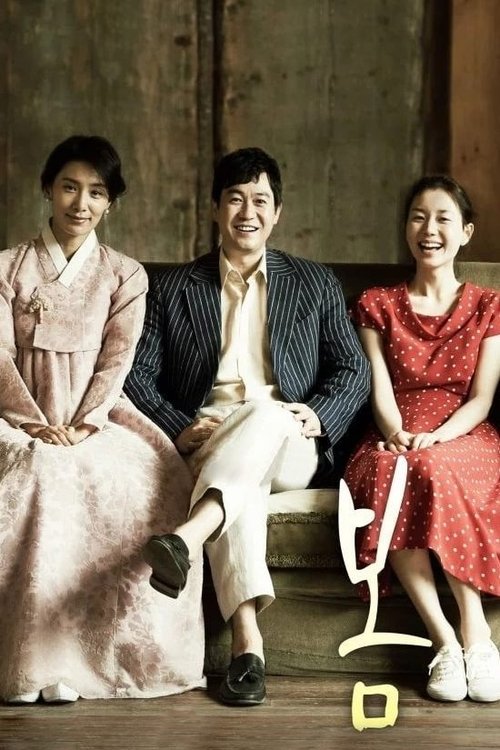
Late Blossom offers a sophisticated critique of social structures by focusing on the reclamation of identity. It succeeds in deconstructing traditional domestic hierarchies, particularly through its portrayal of female agency and the pursuit of passion in mid-life. However, the film's scope is limited by its cultural homogeneity and lack of LGBTQ+ representation. While it provides a nuanced look at South Korean social norms, it does not engage with broader intersectional identities. Ultimately, the film is a character-driven study of autonomy. It trades broad demographic breadth for a deep, thematic exploration of how individuals navigate and resist established societal expectations.
2006
2011
2009
2014
2012
1999

2005
2012

2021

2003

2011

1998
No reviews yet. Be the first to share your thoughts on this movie!
Use the rating form above to leave a star rating and optional review.