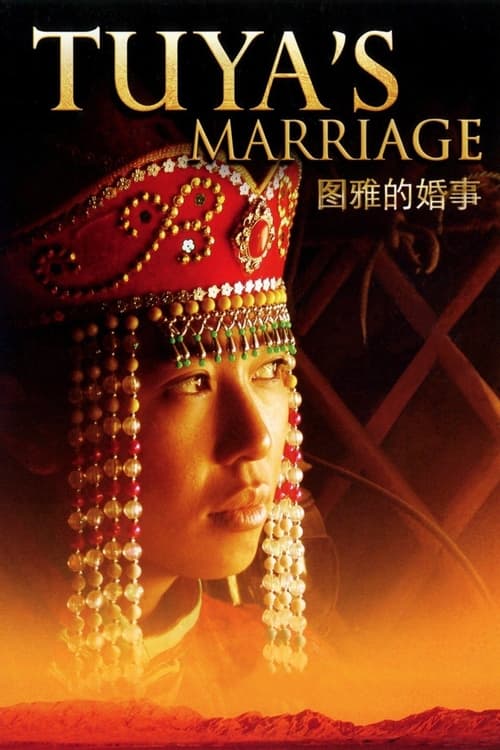
Tuya's Marriage
2006
No user ratings available yet
Representation score: 6.0 out of 10
Representation Score
Good
2022
NRDirector
Li Ruijun
Runtime
133 minutes
Average Rating
No ratings yetNew Showbiz Analysis
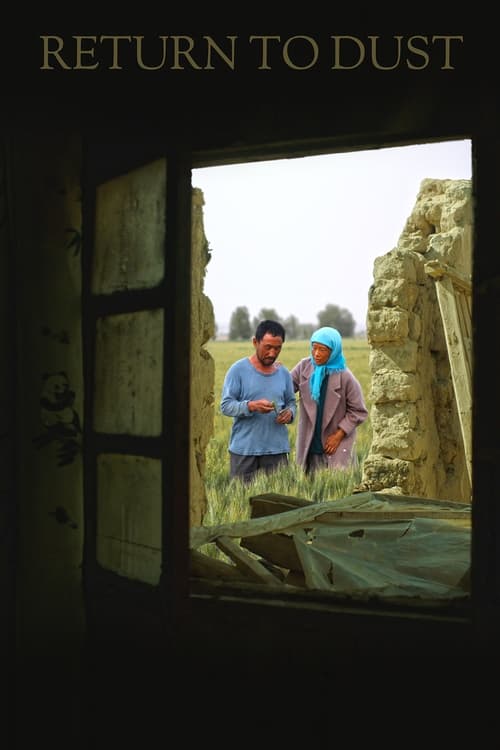
Return to Dust is a profound meditation on the tension between agrarian life and modern industrialization. It succeeds by centering the lived experiences of rural peasants, offering a detailed look at systemic abandonment. The film's strength lies in its refusal to glorify urban prosperity, instead highlighting the corrosive effects of rapid modernization on traditional family units. While the film excels in cultural critique and female resilience, it remains limited in its representation of LGBTQ+ identities and multi-ethnic casting. The narrative focuses heavily on a specific socioeconomic class, which provides depth but limits broader demographic variety. Ultimately, the film serves as a potent social commentary. It uses the struggle of the elderly and the physical toll of manual labor to highlight the human cost of progress.
Category Breakdown
The film does not include any LGBTQ+ characters or stories centered around non-straight relationships. The main plot revolves around an arranged marriage focused on survival rather than exploring identity.
Cao is shown playing a significant role in driving the story despite being in a patriarchal setting. Her strength comes from enduring physical labor and the demands of sustaining her domestic world.
The cast is ethnically uniform, focusing on rural Chinese populations. Diversity is expressed through socioeconomic class and the exclusion of non-urban communities.
The film provides a sophisticated critique of capitalist expansion and the erosion of communal structures. It highlights the systemic displacement caused by rapid industrialization.
Physical decay and the vulnerabilities of aging are used as atmospheric elements. These struggles emphasize environmental harshness rather than giving characters specific narrative ability to act.
Present on Screen
Limited or Absent
Official Synopsis
Humble, unassuming Ma and timid Cao have been cast off by their families and forced into an arranged marriage. They have to combine their strength and build a home to survive. In the face of much adversity, an unexpected bond begins to blossom, as both Ma and Cao, uniting with Earth's cycles, create a haven for themselves in which they can thrive.
2006
1986
2001
2001
1986

2004

1985

2014
No reviews yet. Be the first to share your thoughts on this movie!
Use the rating form above to leave a star rating and optional review.