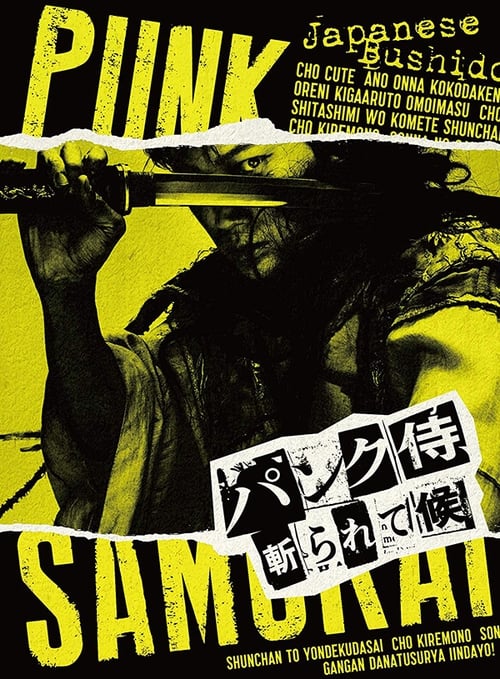
Punk Samurai Slash Down
2018
No user ratings available yet
Representation score: 4.6 out of 10
Representation Score
Fair
2011
Not RatedDirector
Hitoshi Matsumoto
Runtime
103 minutes
Average Rating
No ratings yetNew Showbiz Analysis
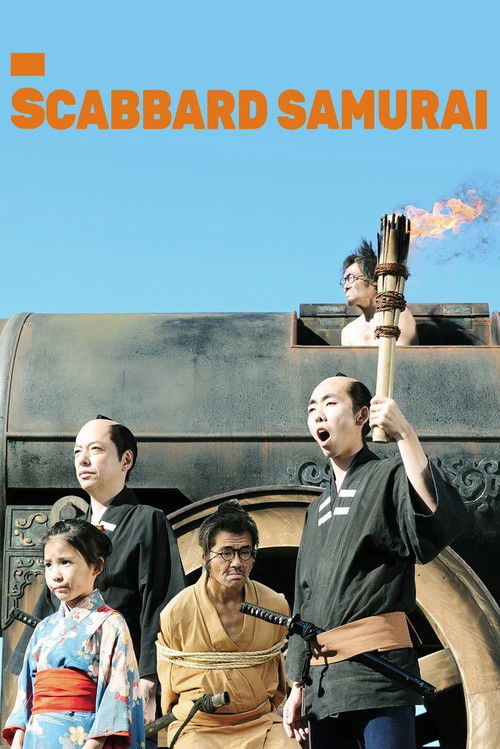
Scabbard Samurai functions as a deconstruction of the traditional samurai mythos. It replaces rigid feudal hierarchies with a focus on emotional vulnerability and the disruption of established power structures. While the film lacks explicit representation of gender or orientation, it finds progressive value in its subversion of masculine archetypes. The protagonist's lack of a weapon serves as a direct challenge to conventional depictions of martial strength. The film's cultural impact stems from its shift in moral objectives, moving away from military order toward the subjective psychological needs of a grieving prince.
Category Breakdown
The film does not explicitly depict LGBTQ+ identities or relationships outside of traditional heterosexual norms. The plot centers around the father-daughter relationship between Kanjuro and Tae.
The story challenges traditional masculinity by featuring a samurai who lacks a sword, emphasizing a scabbard instead. Tae’s role as a traveling companion suggests she shares a significant role in the story.
Set in historical Japan, the casting remains homogeneous. However, the theme of the masterless ronin explores social displacement and the status of outsiders within a stratified society.
The narrative critiques feudal loyalty by following a deserter who has abandoned his lord. It prioritizes emotional intelligence and human connection over martial conquest or political stability.
There are no visible or invisible disabilities portrayed as central to the character arcs in this story.
Present on Screen
Limited or Absent
Official Synopsis
Kanjuro Nomi is an aging samurai who only has a scabbard. Deserting his lord to wander the land with his daughter Tae, Kanjuro is captured and sentenced to an unusual punishment: he has 30 days to bring a smile to the sad prince who has lost his mother — or else he must die.
2018
2003
2014

1972
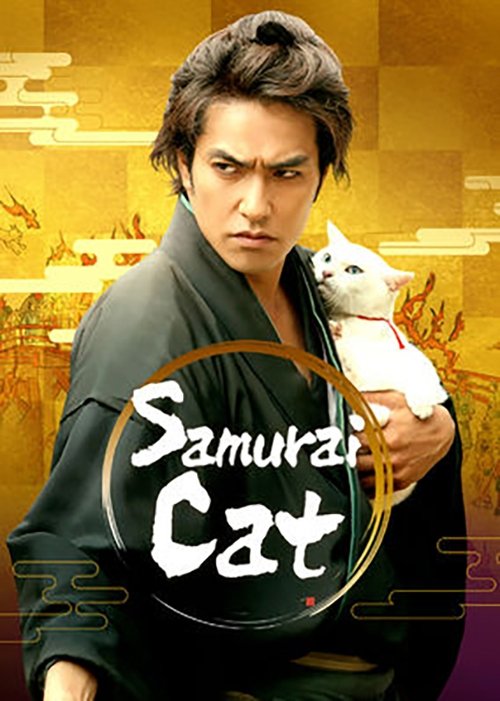
2014
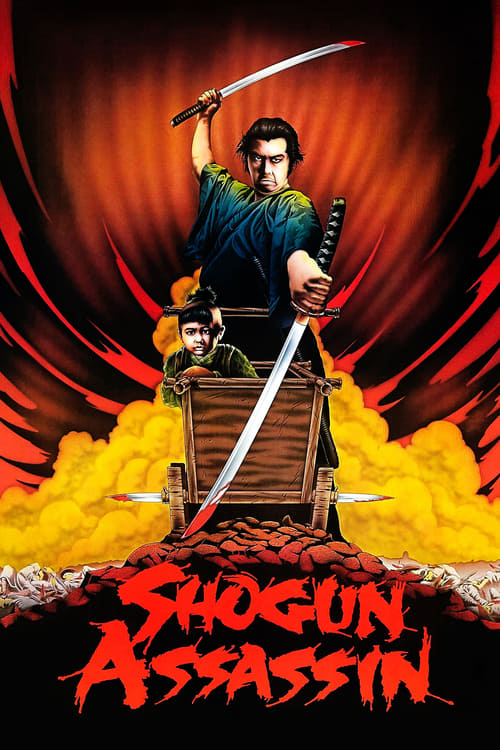
1980
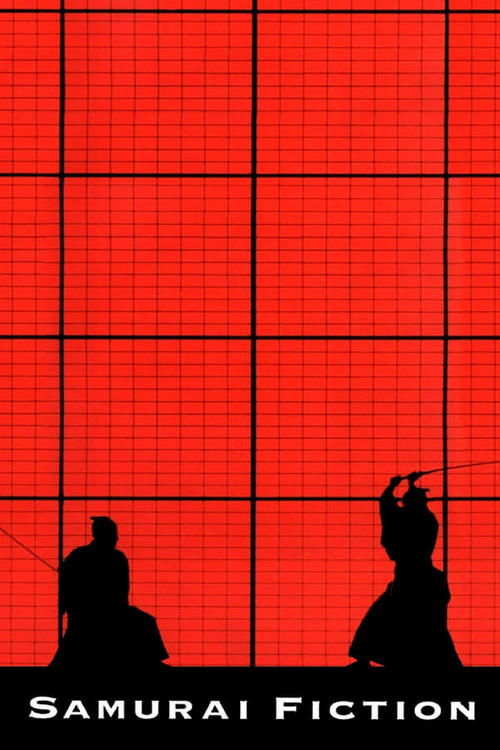
1998
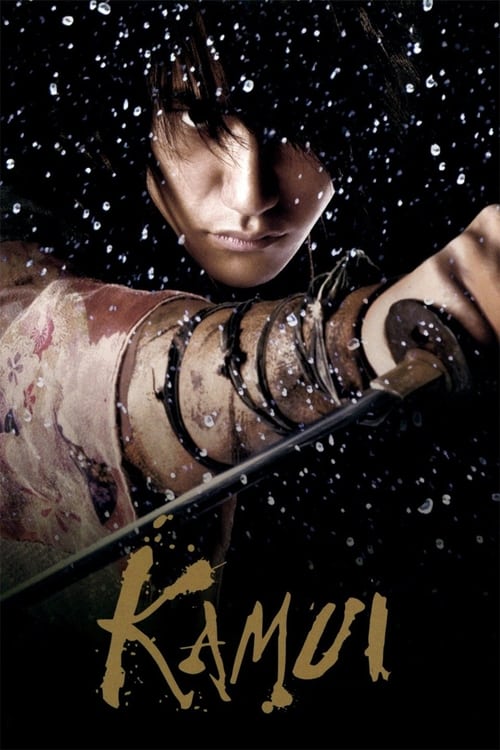
2009
No reviews yet. Be the first to share your thoughts on this movie!
Use the rating form above to leave a star rating and optional review.