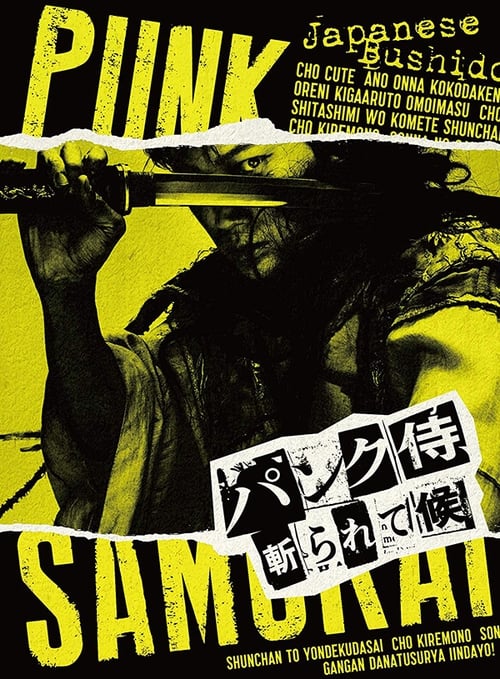
Punk Samurai Slash Down
2018
No user ratings available yet
Representation score: 4.6 out of 10
Representation Score
Fair
2014
Director
Yoshitaka Yamaguchi, Takeshi Watanabe
Runtime
100 minutes
Average Rating
No ratings yetNew Showbiz Analysis
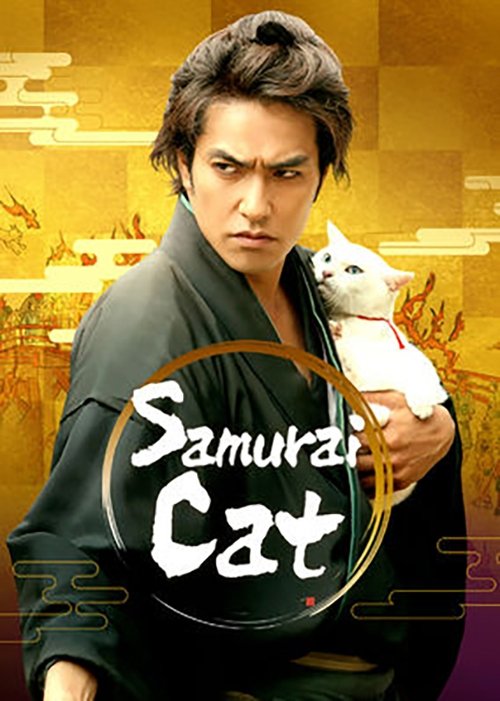
Samurai Cat: The Movie is a genre-bending action-comedy that replaces stoic samurai clichés with emotional vulnerability. While it lacks diverse representation or multi-layered themes, it successfully deconstructs hyper-male clichés through its protagonist's empathy. However, it remains confined by its historical setting and a narrative focus on male-dominated conflicts and traditional gender roles.
Category Breakdown
The film does not include explicit representations of LGBTQ+ identities or non-straight relationships. The story focuses primarily on the protagonist's relationship with a cat.
The narrative centers around a traditionally masculine protagonist and male-dominated groups. Female characters do not hold significant roles or challenge traditional gender hierarchies.
Set in Edo-era Japan, the film reflects the homogeneous demographics of its historical context. The casting adheres to the era's social reality without introducing a diverse range of ethnicities.
The film challenges genre conventions by prioritizing empathy over strict codes of honor. It gently critiques traditional social hierarchies by emphasizing personal compassion over martial duty.
There is no mention of characters dealing with physical, sensory, or neurodivergent conditions. No information is available to assess representation in this category.
Present on Screen
Limited or Absent
Official Synopsis
The ever versatile Kazuki Kitamura stars as masterless samurai Kyutaro Madarame, a feared swordsman who has fallen on hard times in old Edo. Caught between two warring gangs in an epic battle of cat lovers and dog lovers, he begrudgingly accepts the canine faction's offer to assassinate the opposite leader's beloved pet: an adorable white cat. Yet upon raising his lethal sword, he cannot bring himself to go through with the act, and the cat melts his ronin heart. But before finding peace as a newly minted cat person, the still fearsome Madarame will have to take on both gangs in a classic samurai street brawl.
2018
1997

2016
2007
2015
2011
1987

2012
No reviews yet. Be the first to share your thoughts on this movie!
Use the rating form above to leave a star rating and optional review.