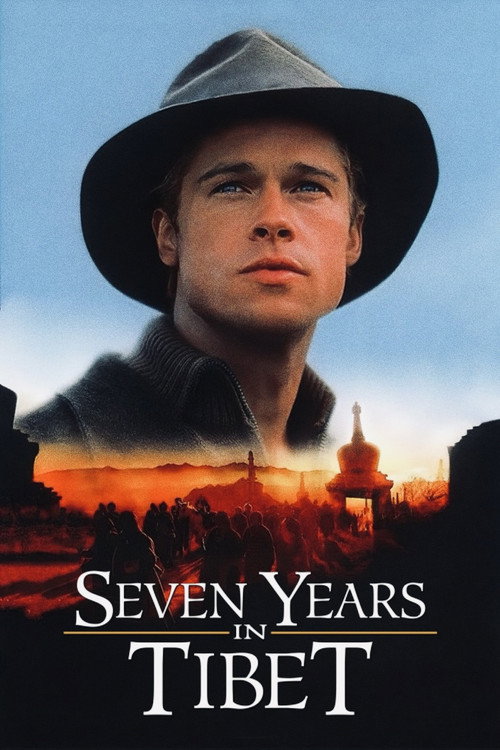
Seven Years in Tibet
1997
No user ratings available yet
Diversity score: 4.9 out of 10
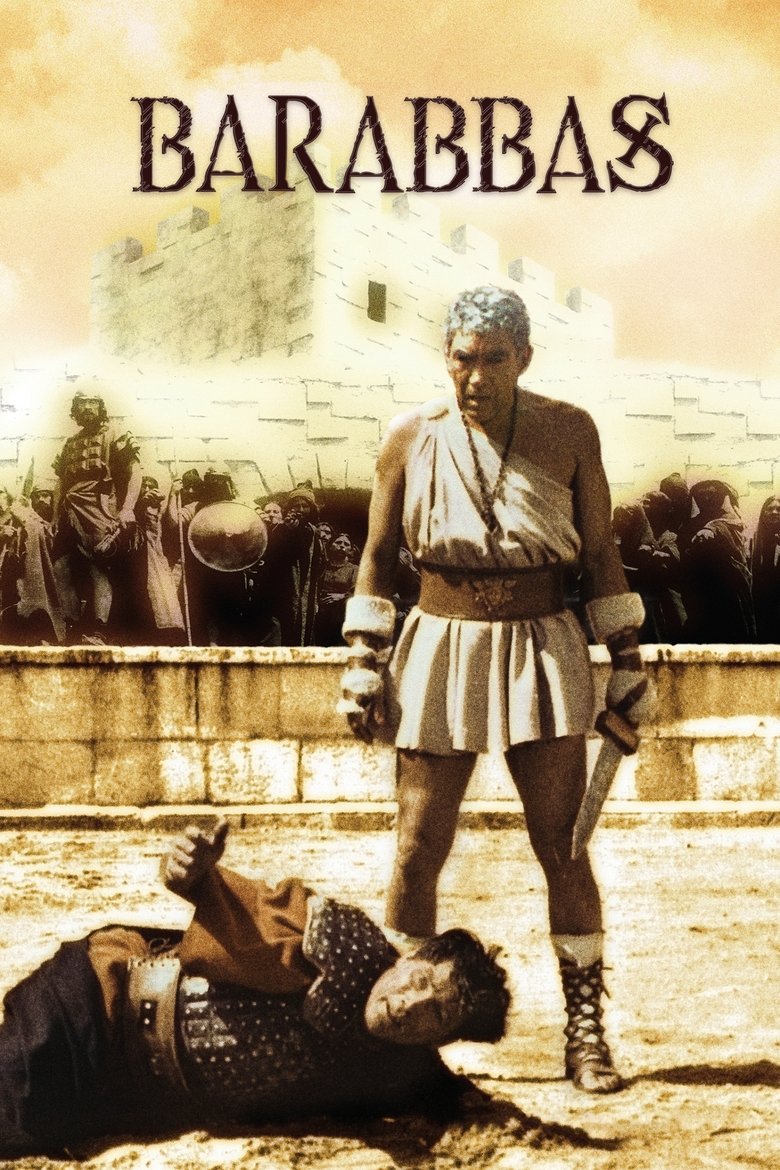
1961
ApprovedDirector
Richard Fleischer
Runtime
137 minutes
Average Rating
No ratings yetSynopsis
Epic account of the thief Barabbas, who was pardoned for his crimes and spared crucifixion when Pilate offered the Israelites a choice to pardon Barabbas or Jesus. Struggling with his spirituality, Barabbas goes through many ordeals leading him to the gladiatorial arena, where he tries to win his freedom and confront his inner demons, ultimately becoming a follower of the man who was crucified in his place.
Overall Score
Fair
Category Breakdown
LGBTQ+ Representation
The film adheres strictly to the heteronormative social structures of the first century. There is no presence of non-cisnormative identities or same-sex intimacy.
Gender Representation
The narrative is heavily male-centric, prioritizing the spiritual and political conflicts of men. Female characters are relegated to secondary, peripheral roles within the social hierarchy.
Racial & Ethnic Diversity
Casting Anthony Quinn provides a Mediterranean/Middle Eastern focal point for the protagonist. The film effectively depicts the ethnic divide between the Judean populace and Roman occupiers.
Religious & Cultural Diversity
The film offers a critique of Roman imperial power and religious corruption. It presents a complex protagonist navigating systemic oppression and insurrectionist themes.
Disability Representation
Physical trauma is used primarily as a plot driver within the gladiatorial setting. There is no nuanced exploration of neurodivergence or lived experiences with disability.
Strengths
Areas for Improvement
AI Analysis
Barabbas is a psychological epic that finds strength in its critique of imperial hegemony. By centering a Mediterranean protagonist, the film avoids a purely Anglo-Saxon lens, instead focusing on the tension between colonized subjects and Roman occupiers. However, the film is limited by the patriarchal constraints of its era. The narrative architecture is overwhelmingly male-dominated, leaving female characters with little agency or depth. The lack of LGBTQ+ visibility and the superficial treatment of physical trauma further narrow its scope. Ultimately, the film succeeds as a study of systemic victimhood and resistance, even as it remains bound by the period-typical social limitations of its genre.
1997
2016

2009
1962
1986
2016

1960

1959

1976
2016
1981
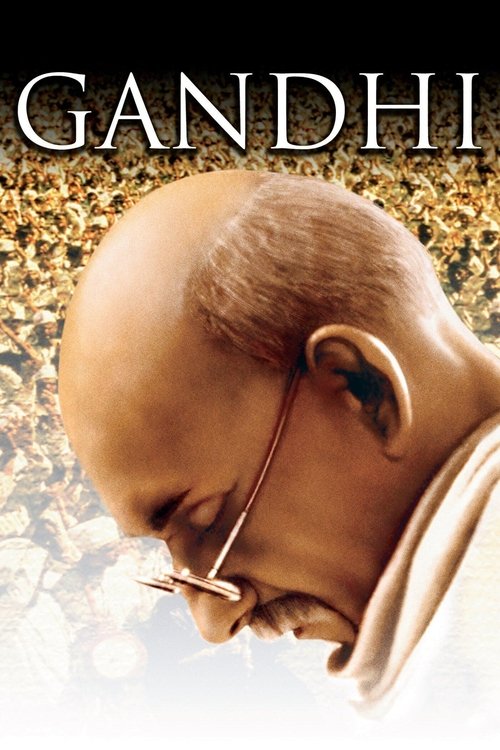
1982
No reviews yet. Be the first to share your thoughts on this movie!
Use the rating form above to leave a star rating and optional review.