Spartacus
1960
No user ratings available yet
Representation score: 7.3 out of 10
Representation Score
Good
2004
UnratedDirector
Robert Dornhelm
Runtime
174 minutes
Average Rating
No ratings yetNew Showbiz Analysis
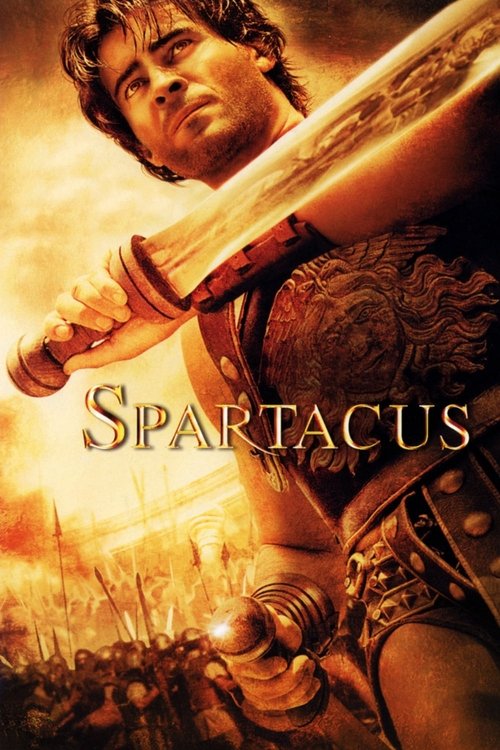
Spartacus (2004) stands out by focusing on the struggles of underrepresented groups rather than glorifying imperial conquest. The film challenges traditional narratives by showcasing a diverse cast and critiquing systemic oppression. While it provides a nuanced look at societal structures, it adheres to conventional gender and LGBTQ+ representations, limiting the exploration of diverse sexual orientations and neurodivergent identities. Ultimately, the film serves as a critique of historical power structures, emphasizing the multi-layered experiences of the oppressed.
Category Breakdown
The film follows traditional structures where non-straight identities and same-sex relationships are not represented.
Women in the film navigate traditional roles but are shown as victims of Roman social hierarchies.
The film showcases a diverse Mediterranean population, featuring Thracians, Gauls, and Ethiopians, avoiding the whitewashing often seen in historical epics.
The story critiques Western power by presenting the Roman Republic as an oppressive force, highlighting the struggles of the underrepresented.
Characters with disabilities are primarily portrayed as victims of violence or harsh environments, lacking independent roles beyond their conditions.
Present on Screen
Limited or Absent
Official Synopsis
Sentenced to spend out the rest of his adult life laboring in the harsh deserts of Egypt, the Thracian slave Spartacus gets a new lease on life when he is purchased by the obese owner of a Roman gladiator school. Moved by the defiance of an Ethiopian warrior, Draba, Spartacus leads a slave uprising which threatens Rome's status quo. As Spartacus gains sympathy within the Roman Senate, he also makes a powerful enemy in form of Marcus Lucinius Crassus, who makes it a matter of personal honor to crush the rebellion.
1960
1987
2003
2011
1997

2011
1962
2016
No reviews yet. Be the first to share your thoughts on this movie!
Use the rating form above to leave a star rating and optional review.