Teeth
1924
No user ratings available yet
Representation score: 0.8 out of 10
Representation Score
Minimal
1928
PassedDirector
Eugene Forde
Runtime
50 minutes
Average Rating
No ratings yetNew Showbiz Analysis
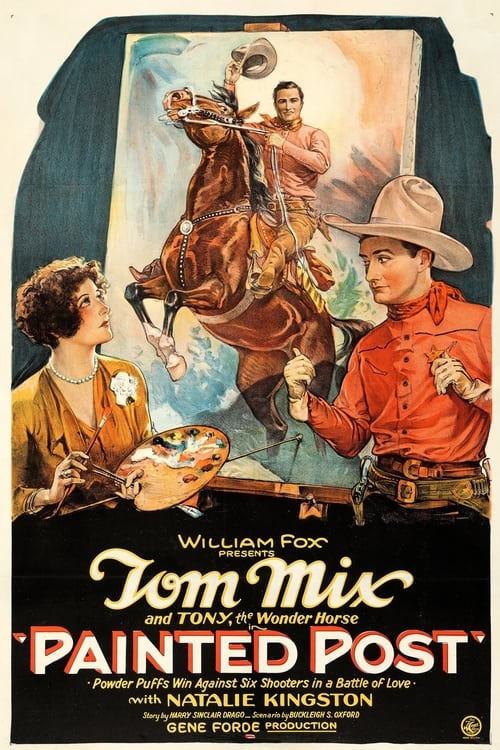
Painted Post is a product of the late silent era, adhering strictly to the conventions of the Western genre. The film prioritizes traditional heroism and social hierarchies, reinforcing conventional gender roles and frontier myths without challenging them. The narrative lacks depth in representing diverse identities and cultural perspectives, reflecting the period's dominant cultural and racial clichés.
Category Breakdown
The film follows the traditional storytelling of the silent Western era, showing no signs of LGBTQ+ identities or non-binary gender roles. Female characters are portrayed in traditional romantic roles without any deeper exploration of their identities.
The story centers around the classic masculine cowboy hero, highlighting physical strength and leadership. Female characters mainly serve as romantic interests or figures needing protection, lacking significant roles in driving the narrative.
The film likely adheres to the era's standard casting practices, which often rely on stereotypical portrayals of Indigenous populations. It presents a homogeneous view of the Western frontier, with limited diversity.
The story operates within the early 20th-century American frontier mythology, promoting traditional values like rugged individualism and clear moral binaries. It does not explore secular or anti-institutional themes.
There is no documented evidence of characters with visible or invisible disabilities serving as central narrative drivers or plot devices.
Present on Screen
Limited or Absent
Official Synopsis
Starring Tom Mix and Natalie Kingston
1924
1939
1928
1927
1928

1926
1924
1922
No reviews yet. Be the first to share your thoughts on this movie!
Use the rating form above to leave a star rating and optional review.