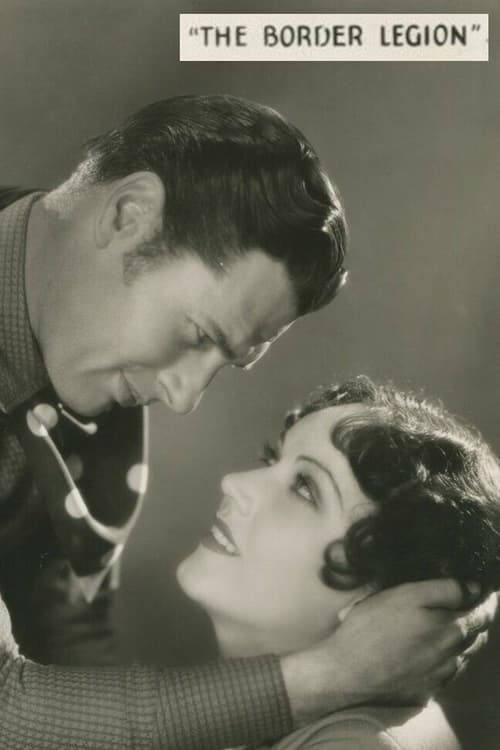
The Border Legion
1930
No user ratings available yet
Representation score: 0.5 out of 10
Representation Score
Minimal
1929
PassedDirector
Eugene Forde
Runtime
70 minutes
Average Rating
No ratings yetNew Showbiz Analysis
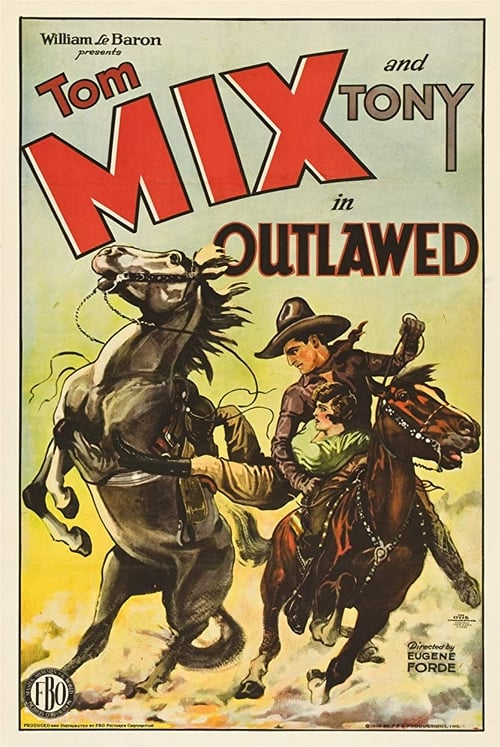
Outlawed is a classic early Western film that emphasizes traditional narrative structures and clear moral distinctions. The film reinforces the social and cultural norms of 1929. The story revolves around a masculine protagonist seeking justice and restoring order. This focus on established legal and social institutions leaves little room for critical examination or diverse perspectives. Overall, the film aligns with the conventions of its time, adhering to homogeneous casting and narrow social norms.
Category Breakdown
The film does not include any LGBTQ+ characters or stories that challenge the assumption that everyone is straight or cisgender.
The main character follows traditional masculine hero clichés. The story emphasizes male control and competence, with little challenge to established gender hierarchies.
The film reflects the racial hierarchies typical of early Hollywood. It lacks diverse casting and focuses on Anglo-Saxon protagonists.
The story upholds traditional Western values about law and moral clarity. It supports the legitimacy of social institutions without questioning them.
There is no evidence of characters with physical or neurodivergent disabilities.
Present on Screen
Limited or Absent
Official Synopsis
In this his third film for FBO (Film Booking Office), Mix plays Tom Manning, a cowboy framed for murder and bank robbery by bandit leader Ethan Laidlaw. As always, justice prevails, but Mix has to make a daring escape from jail to right the wrongs done to him.
1930
1932
1918
1934
1945
1934
1931
1928
No reviews yet. Be the first to share your thoughts on this movie!
Use the rating form above to leave a star rating and optional review.