
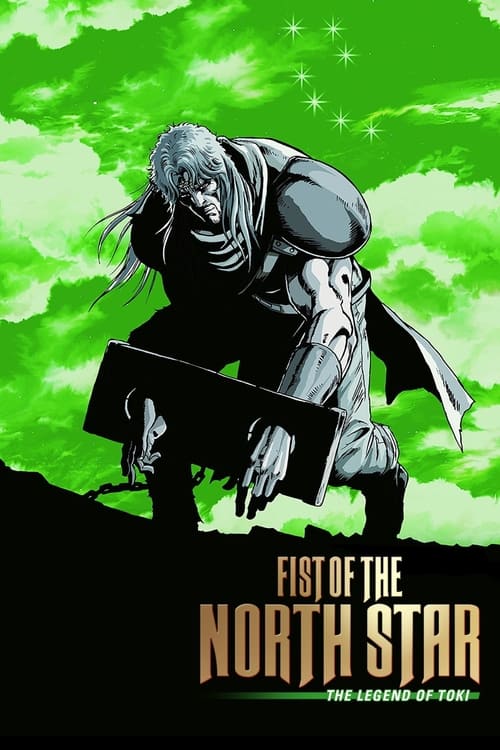
Fist of the North Star: The Legend of Kenshiro
2008
No user ratings available yet
Representation score: 3.4 out of 10
Representation Score
Limited
2008
Director
Kobun Shizuno
Runtime
57 minutes
Average Rating
No ratings yetNew Showbiz Analysis
The film is a traditional martial arts epic that prioritizes genre clichés over social subversion. While it offers a meaningful exploration of physical vulnerability through Toki's illness, it lacks broader multi-layered complexity. Representation is heavily skewed toward masculine leadership and traditional hierarchies. The narrative focuses on individual honor and martial prowess rather than engaging with diverse identities or systemic critiques. Ultimately, the work functions as a character study of survival in a lawless wasteland, remaining rooted in established genre conventions rather than progressive social commentary.
Category Breakdown
The film does not include any LGBTQ+ characters or explore non-straight relationships. The interpersonal dynamics focus on brotherhood and martial lineage without any queer undertones.
Female characters mainly serve as emotional catalysts or victims in the wasteland. The narrative power remains almost exclusively with male protagonists, reinforcing traditional masculine hierarchies.
Character identities are defined by martial arts schools rather than ethnic backgrounds. The setting operates within a localized, genre-specific framework without active engagement with racial diversity.
The story focuses on individual survival and moral struggles amidst societal collapse. It avoids explicit political ideologies, centering instead on honor and martial mastery.
Toki’s terminal illness provides a nuanced look at physical decline. The film explores the burden of frailty and the ability to act maintained despite biological decay.
Present on Screen
Limited or Absent
Official Synopsis
Fourth part of the new Fist of the North Star movie pentalogy presenting the story from Toki's perspective, leading up to Toki's imprisonment in Cassandra and eventually his duel with Raoh.
2008
1986
2006
1997

2004
2003
2011
2003
No reviews yet. Be the first to share your thoughts on this movie!
Use the rating form above to leave a star rating and optional review.