
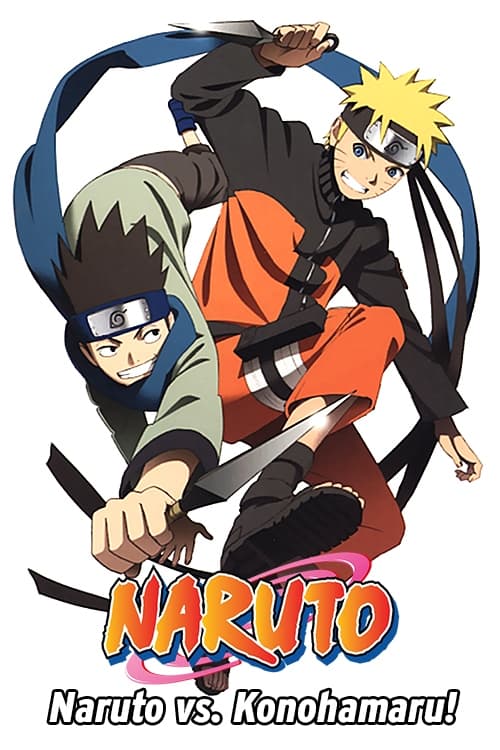
Naruto OVA 4: Finally a Clash! Jounin VS. Genin!! Indiscriminate Grand Melee Tournament!!
2005
No user ratings available yet
Representation score: 5.0 out of 10
Representation Score
Minimal
2011
Director
Hayato Date
Runtime
14 minutes
Average Rating
No ratings yetNew Showbiz Analysis
This OVA follows a traditional action-oriented format that prioritizes established genre conventions. The narrative structure reinforces themes of perseverance and respect for institutional norms rather than challenging social hierarchies. While the protagonist's status as an orphan provides a subtle exploration of social isolation, the work does not actively engage with the complexities of multi-layered identity politics.
Category Breakdown
The story does not include any LGBTQ+ characters or representations of same-sex relationships. The plot focuses solely on the interactions between male characters.
The production emphasizes male-dominated combat scenarios and traditional male-centric storylines. It centers around the mentor-student relationship, reinforcing traditional masculine ideals of strength and resilience.
The clan-based system highlights lineage and inherited identity. Naruto's status as an outsider allows for an examination of individual identity versus social lineages.
The work emphasizes the 'Will of Fire,' which prioritizes community duty and respect for village traditions. It focuses on social cohesion and the meritocratic advancement within the ninja hierarchy.
There is no representation of physical, neurodivergent, or sensory disabilities in these specific OVA segments.
Present on Screen
Limited or Absent
Official Synopsis
Naruto faces off against his old pupil Konohamaru in a tournament during the chuunin entrance exams.
2005
2008
2005
2016
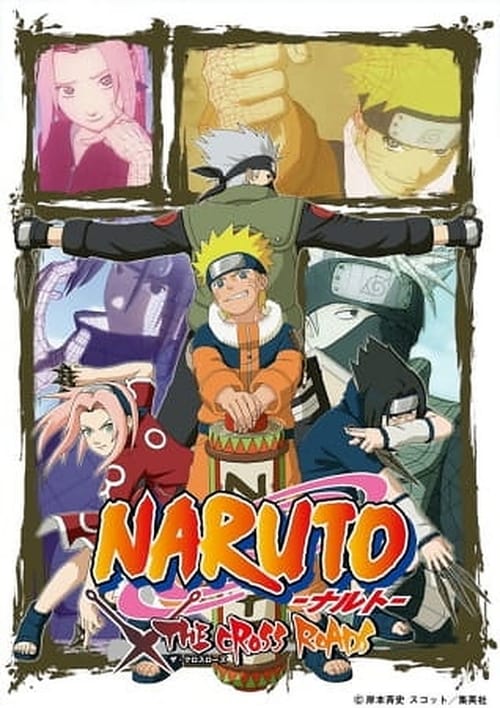
2009
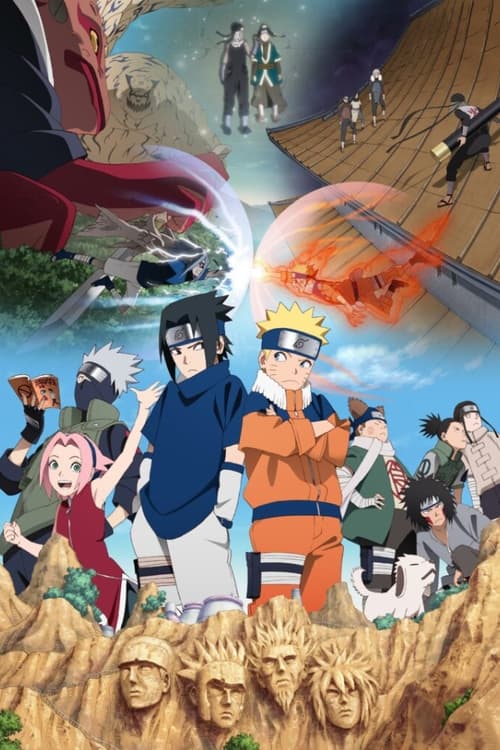
2022

2003
2008
No reviews yet. Be the first to share your thoughts on this movie!
Use the rating form above to leave a star rating and optional review.