
Naruto: The Lost Story - Mission: Protect the Waterfall Village!
2003
No user ratings available yet
Diversity score: 5.6 out of 10
2006
Director
Takahiro Imamura
Runtime
95 minutes
Average Rating
No ratings yetSynopsis
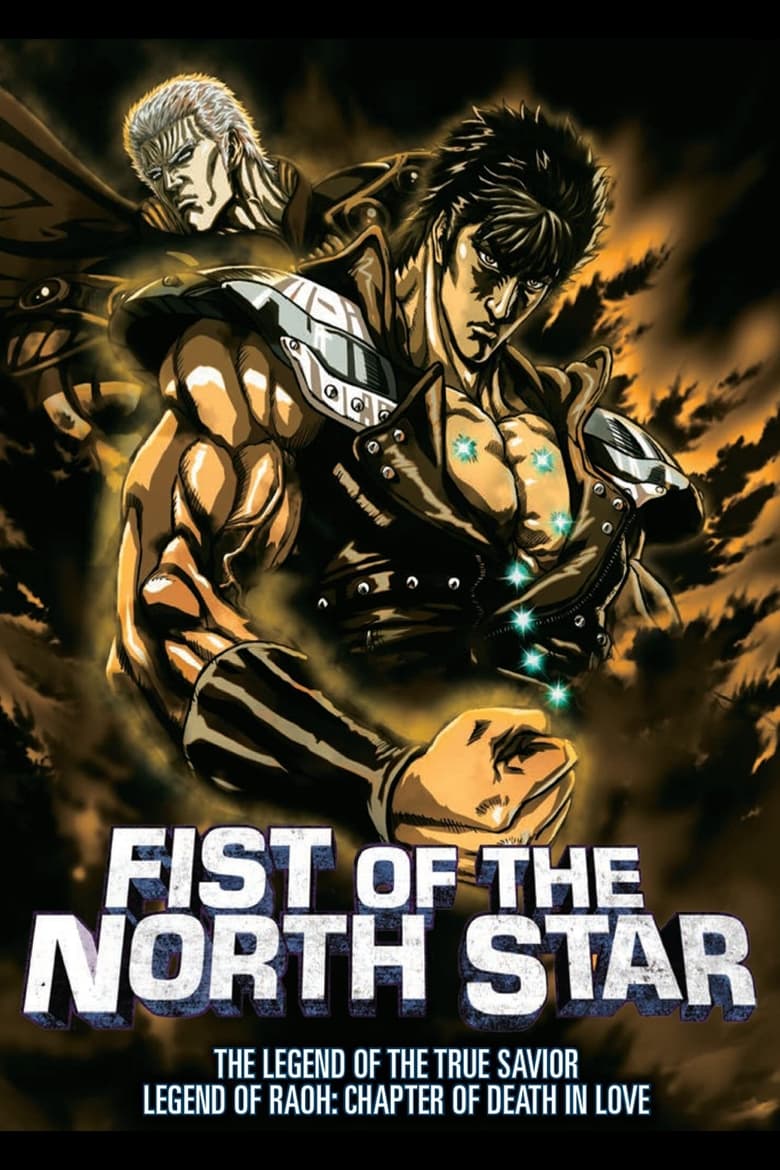
A film adaptation of the Holy Emperor story arc, which primarily depicted the conflict between Kenshiro and Souther. New characters Reina, one of Raoh's army officers who falls in love with him, and her brother Soga, Raoh's advisor, play an important part with much of the plot involving Raoh's relationship with Reina as he conquers the land; most of this portion is new content exclusive to this film. The other side of the story is the retelling of Ken's attempt to save and protect the villagers from Souther's army with the help of Shū. There is also a small subplot of Bart returning to his home.
Overall Score
Limited
Category Breakdown
LGBTQ+ Representation
The film lacks LGBTQ+ characters or explorations of non-heteronormative identities. The romantic focus remains strictly on the heterosexual bond between Raoh and Reina.
Gender Representation
The narrative is heavily male-centric, focusing on dominance and physical prowess. While Reina provides emotional depth, female characters primarily function as catalysts for male journeys rather than disrupting power structures.
Racial & Ethnic Diversity
Characters are defined by martial archetypes and survivalist status rather than specific ethnic markers. The lack of intentional intersectional casting keeps the representation in a moderate-low range.
Religious & Cultural Diversity
The story depicts a world where traditional institutions like religion and family have collapsed. It prioritizes individualist strength and martial destiny over collective social or political ideologies.
Disability Representation
There is no significant focus on visible or invisible disabilities. Physical trauma is used as a standard action trope to denote combat efficacy rather than exploring lived experiences.
Strengths
Areas for Improvement
AI Analysis
The film is a traditionalist action piece that prioritizes hyper-masculine archetypes and martial supremacy. While the introduction of Reina adds emotional complexity to Raoh's character, the narrative remains anchored in conventional power dynamics. The post-apocalyptic setting creates a vacuum of institutional authority, but the story uses this void to celebrate individualist strength. It does not seek to critique social structures or explore intersectional identities. Ultimately, the work reinforces established gender and power hierarchies through its focus on dominance and patriarchal authority.
2003
2008
2018
1993
2017
2011
2017

2012
2012
2007

2013
2009
No reviews yet. Be the first to share your thoughts on this movie!
Use the rating form above to leave a star rating and optional review.