
Dragon Ball Z: The History of Trunks
1993
No user ratings available yet
Representation score: 3.7 out of 10
Representation Score
Fair
1986
NRDirector
Toyoo Ashida
Runtime
112 minutes
Average Rating
No ratings yetNew Showbiz Analysis
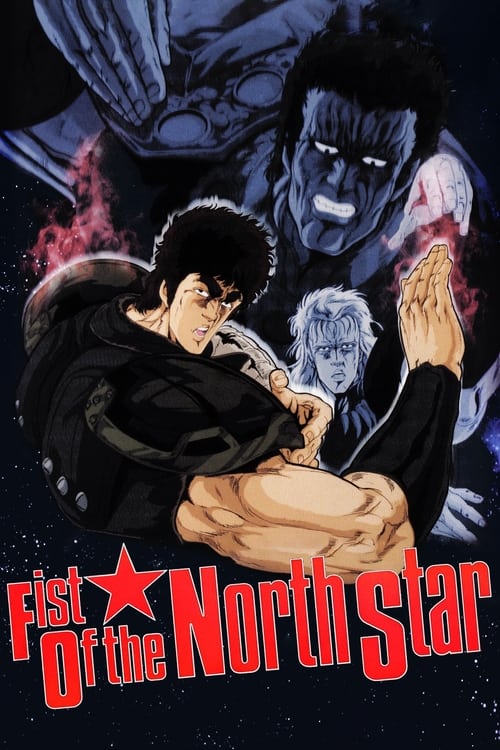
Fist of the North Star is a quintessential 1980s action film centered around a hyper-masculine hero, Kenshiro, whose journey is defined by martial prowess and a traditional romantic pursuit. The narrative is built around a setting that dismantles modern social and religious institutions to create a lawless environment. However, the film lacks the multi-layered depth and diverse characterization necessary to move beyond standard genre clichés. Ultimately, it functions as a high-stakes martial arts epic that leans heavily into established gender hierarchies and lacks meaningful representation for LGBTQ+ individuals or characters with disabilities.
Category Breakdown
The story follows a traditional heterosexual relationship between Kenshiro and Yuria, focusing on their romance without exploring queer narratives or non-traditional gender identities.
The film relies on hyper-masculine characters where Kenshiro dominates physically, while Yuria is portrayed as a damsel in distress, reinforcing traditional gender roles.
The post-apocalyptic world is largely homogenous, with character designs not reflecting diverse ethnicities or racial identities, serving primarily as a backdrop for survival.
The film focuses on survivalist vigilante actions rather than critiquing systemic or cultural structures. It portrays a world where organized religion and cultural institutions have collapsed.
Physical injuries from combat are common but lack depth. Characters with disabilities are not given significant roles, as their vulnerabilities are used solely to enhance action.
Present on Screen
Limited or Absent
Official Synopsis
After a nuclear holocaust tears the world apart, mankind is forced to the harshness of not only the oppression of others who are much more powerful, but the dead earth which seems to be getting worse with every passing moment. But a savior has risen from the ashes, a man who will defeat those who would torment the weak and make the world a livable place once more. A man named Kenshiro...
1993

1993
1994
2017
1990

1995
1984

1995
No reviews yet. Be the first to share your thoughts on this movie!
Use the rating form above to leave a star rating and optional review.