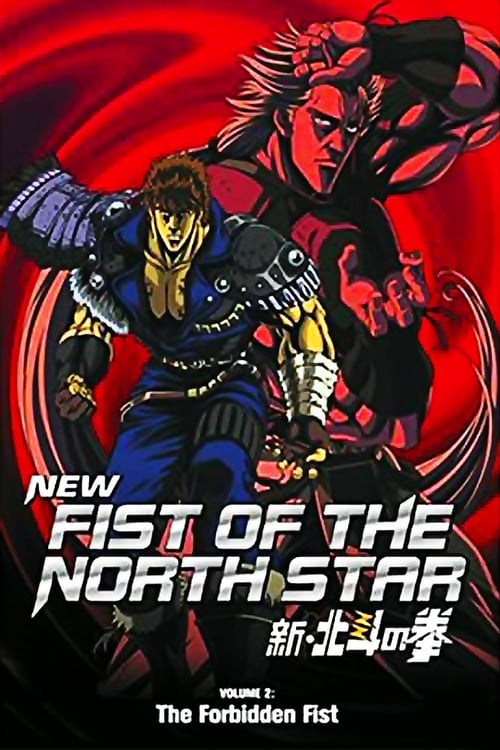
New Fist of the North Star: The Forbidden Fist
2003
No user ratings available yet
Diversity score: 2.7 out of 10

2004
Director
Takashi Watanabe
Runtime
60 minutes
Average Rating
No ratings yetSynopsis
Destruction and betrayal take center stage in the latest installment of the New Fist of the North Star series. When Kenshiro returns to find the city in ruins and its citizens tormented, his pain is compounded when he is betrayed and imprisoned by Tobi. As Tobi prepares a brutal assault on Seiji, Kenshiro must summon all of his strength to break free and take put a halt to his former friend's destructive scheme.
Overall Score
Limited
Category Breakdown
LGBTQ+ Representation
The story centers on intense bonds between male combatants, specifically the conflict between Kenshiro and Tobi. There are no explicit depictions of queer romantic arcs or non-heteronormative identities.
Gender Representation
Agency is concentrated almost exclusively in male protagonists and antagonists. The narrative reinforces a framework where strength and decisive action are coded as masculine traits.
Racial & Ethnic Diversity
Characters are defined more by martial prowess than specific ethnic markers. The wasteland setting tends toward color-blind character design rather than intentional intersectional representation.
Religious & Cultural Diversity
The film rejects traditional institutions like formal religion or centralized government. It focuses on subjective morality and individual agency against systemic chaos.
Disability Representation
Physical impairment appears primarily as a consequence of violence rather than a lived identity. There is no evidence of characters with disabilities possessing meaningful agency.
Strengths
Areas for Improvement
AI Analysis
This installment of the franchise functions as a character study of masculine stoicism within a post-apocalyptic wasteland. The narrative prioritizes traditional genre tropes of heroism and physical conflict over progressive demographic representation. While the setting disrupts organized social contracts and institutional morality, the film does not actively seek to subvert gender hierarchies. The focus remains on the psychological burden of leadership and the breakdown of interpersonal loyalty among male warriors. Ultimately, the work operates within a hyper-masculine framework. It explores themes of betrayal and survival but lacks intentionality regarding intersectional identities or diverse lived experiences.
2003
2003
2008
2008
2009

1994
2022

2011
2020

1989
1994
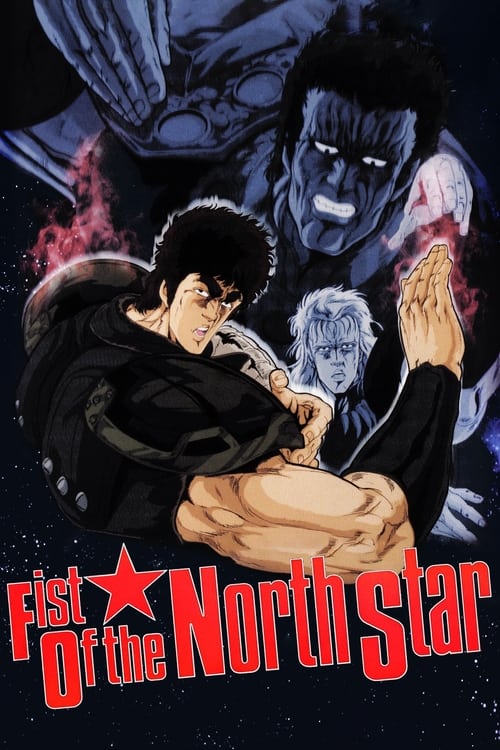
1986
No reviews yet. Be the first to share your thoughts on this movie!
Use the rating form above to leave a star rating and optional review.