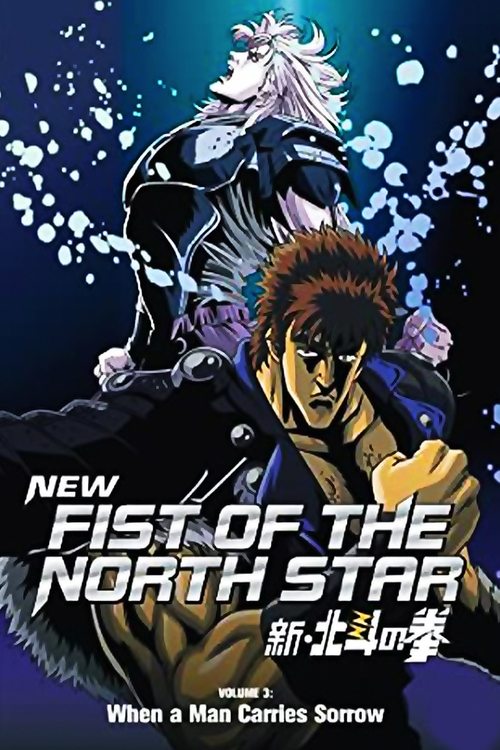
New Fist of the North Star: When a Man Carries Sorrow
2004
No user ratings available yet
Representation score: 4.5 out of 10
Representation Score
Limited
2003
TV-MADirector
Takashi Watanabe
Runtime
60 minutes
Average Rating
No ratings yetNew Showbiz Analysis
The film follows a classical hero's journey centered on masculine archetypes and binary moral conflicts. It prioritizes high-stakes action and genre-standard clichés over challenging social hierarchies. character's ability to drive the story is largely confined to male figures, while diversity is limited by the film's reliance on traditionalist values and predictable plot devices. The narrative functions as a conventional epic rather than a multifaceted exploration. Ultimately, the work adheres to established shonen conventions, focusing on the struggle between good and evil through a lens of traditional duty and physical strength.
Category Breakdown
The film focuses on traditional heroics and survival. There is no evidence of LGBTQ+ identities or same-sex relationships among the characters.
Male characters like Kenshiro and Seiji take center stage, emphasizing traditional masculine leadership and physical prowess. Sara provides guidance but does not play a significant role in driving the story in the story.
Set in a speculative post-apocalyptic world, the film abstracts traditional racial distinctions. The story revolves around a binary of heroic versus demonic forces, rather than diverse racial backgrounds.
The plot emphasizes traditional values such as duty and lineage preservation. It lacks critical examination of established social institutions or hierarchies.
Lord Doha’s illness serves as a standard plot device to advance the quest. There is no detailed exploration of disability or characters with independent ability to act.
Present on Screen
Limited or Absent
Official Synopsis
The Last Land has crumbled at the hands of Kenshiro, but in order to save the young Lord Doha, the powerful hero must travel through a land haunted by murderous demons in this sequel to the hit anime Fist of the North Star. Lord Doha has fallen ill, and if he doesn't receive a rare serum within a few short days he will certainly die. Though the serum is a two-day trip in both directions, Sara reveals that there is a shorter path running through Cliffland but it is haunted by vicious demons. As Kenshiro bravely makes way for the dreaded Cliffland, a new fighter named Seiji arrives in Last Land pursued by evil Clifflanders and vowing to reclaim Sanga's legacy.
2004
1997
2003
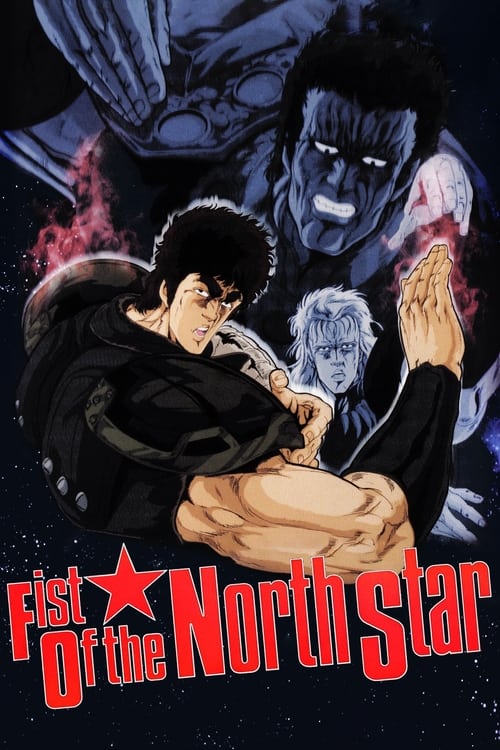
1986
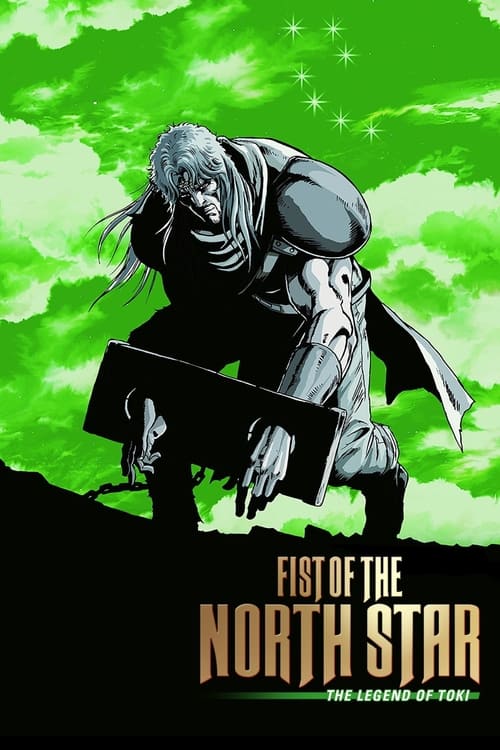
2008
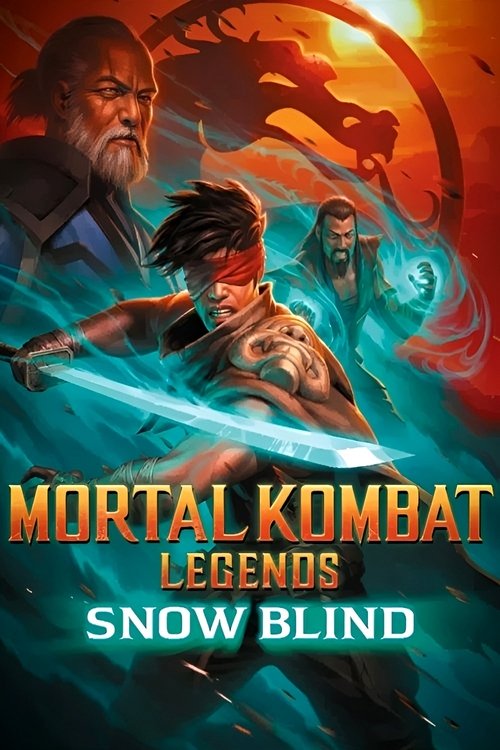
2022
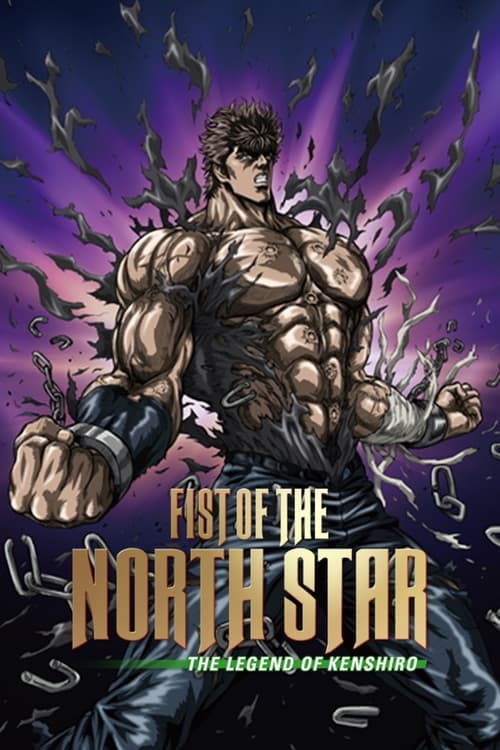
2008
2009
No reviews yet. Be the first to share your thoughts on this movie!
Use the rating form above to leave a star rating and optional review.