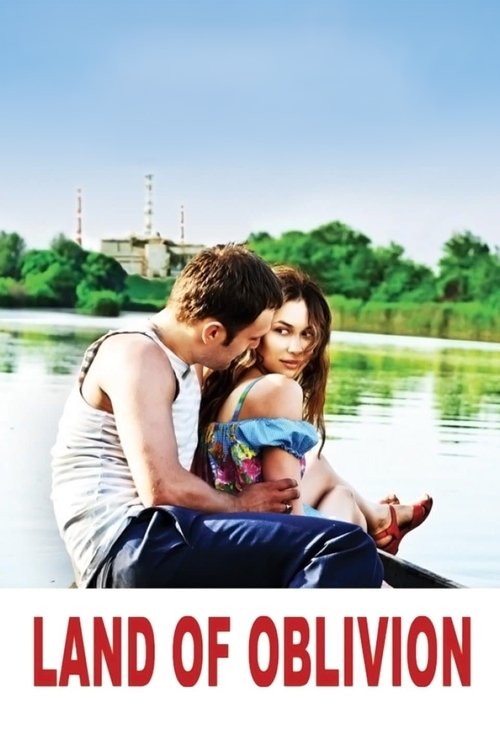
Land of Oblivion
2012
No user ratings available yet
Representation score: 5.4 out of 10

Representation Score
Good
1990
Director
Mykhailo Belikov
Runtime
101 minutes
Average Rating
No ratings yetNew Showbiz Analysis
Collapse is a product of the Glasnost era, using the Chornobyl disaster to challenge state-mandated narratives. It prioritizes institutional critique and the human cost of systemic negligence over modern identity politics. The film's strength lies in its social consciousness and its ability to deconstruct state-sponsored stability. It captures a specific historical moment of regional identity and systemic collapse. However, the work lacks multi-layered breadth. The representation of identity is limited by the demographic realities of the 1990 Soviet sphere and the traditional gender roles often found in disaster dramas.
Category Breakdown
The film does not include explicit LGBTQ+ characters or representations of non-straight relationships. During the 1990 Soviet period, such depictions were rare and usually implied subtly.
The story examines the emotional impact of the disaster through couples and friendships. Despite the crisis highlighting male roles, female characters offer crucial domestic viewpoints.
The cast primarily reflects the regional demographics of the Soviet era. The film focuses on a specific regional identity rather than a diverse mix of races.
The narrative strongly criticizes state institutions and bureaucracy. By focusing on the Chornobyl disaster, it highlights systemic failures and the vulnerability of individuals against the state.
Radiation sickness and bodily trauma are key themes of the Chornobyl disaster. However, the film does not prominently feature characters with disabilities as central figures with ability to act.
Present on Screen
Limited or Absent
Official Synopsis
1986, Chornobyl disaster. Couples, friends, and a risk-taking journalist are woven into the larger framework of the disaster. Panic follows.
2012
1986

2008
2006

2011
1962
2019
1990
No reviews yet. Be the first to share your thoughts on this movie!
Use the rating form above to leave a star rating and optional review.