100 Minutes
2021
No user ratings available yet
Representation score: 6.9 out of 10
Representation Score
Excellent
1990
Director
Vitali Kanevsky
Runtime
105 minutes
Average Rating
No ratings yetNew Showbiz Analysis
Vitali Kanevsky’s drama succeeds as a sophisticated deconstruction of historical stability. By focusing on the fringes of society, the film disrupts conventional nationalist histories and explores human ability to act within oppressive, systemic environments. The narrative excels in its portrayal of ethnic coexistence and cultural critique. By placing disparate groups like Japanese POWs and Soviet exiles in a shared wasteland, it offers a nuanced look at displacement and survival. However, the film remains silent on specific LGBTQ+ and disability narratives. While it effectively subverts traditional patriarchal structures, it lacks explicit representation for these specific underrepresented identities.
Category Breakdown
The film does not explicitly confirm any LGBTQ+ characters or non-straight relationships. However, it explores strong bonds among underrepresented youth without critiquing the assumption that everyone is straight or cisgender.
The story challenges traditional masculinity by focusing on the experiences of children. It highlights the dangerous games of youth rather than rigid, state-driven hierarchies.
The film achieves high diversity by featuring Japanese prisoners of war and Soviet exiles together. This mix of ethnic groups challenges the uniformity typically found in period dramas.
The film critiques systemic structures by depicting the mining environment as a wasteland. It emphasizes the chaotic morality of children over state-mandated institutional ideals.
There is no specific evidence regarding the portrayal of neurodivergence or physical disabilities. The children's dangerous play may reflect their environment rather than disability representation.
Present on Screen
Limited or Absent
Official Synopsis
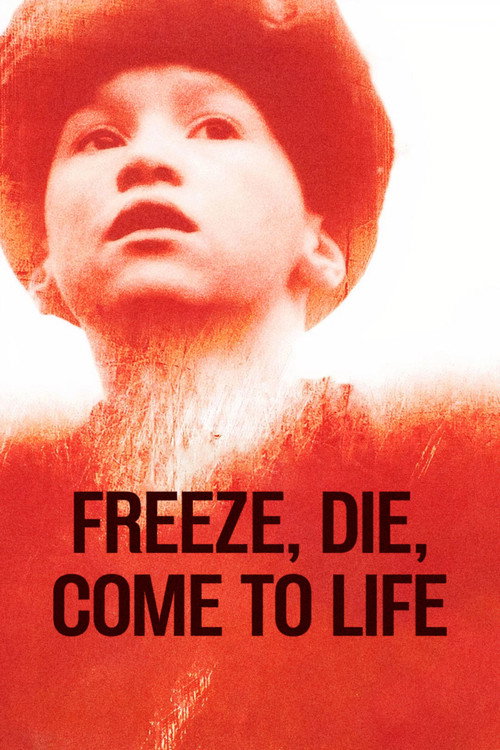
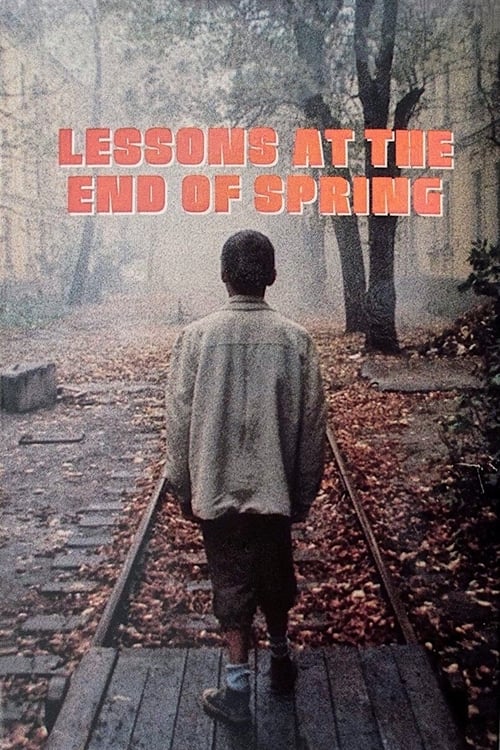
Stuck in a mining town near Vladivostok in 1947 amongst Soviet exiles and Japanese POWs (Japanese prisoners remained in Siberia for years after the war had ended), the kids have to come up with something to keep them busy. Two friends, Valerka and Galia, play some peculiar, very dangerous games of their own amid the man-made wasteland of Suchan.
2021
1977
1977
1962
1990

1993
1992

1946
No reviews yet. Be the first to share your thoughts on this movie!
Use the rating form above to leave a star rating and optional review.