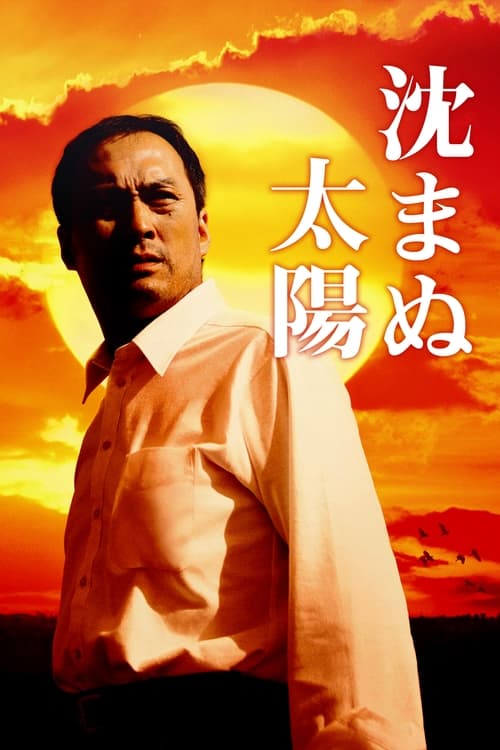
The Unbroken
2009
No user ratings available yet
Representation score: 5.9 out of 10
Representation Score
Good
2008
Director
Masato Harada
Runtime
145 minutes
Average Rating
No ratings yetNew Showbiz Analysis
Masato Harada’s drama is a psychological exploration of individuals navigating systemic structures. It prioritizes professional ethics and the resilience of niche communities over identity-focused narratives. The film provides a culturally authentic Japanese perspective and avoids Western storytelling norms. However, it remains traditional in its depiction of gender and sexual orientation, set within masculine environments. The work excels in critiquing societal structures rather than diverse demographics.
Category Breakdown
The film focuses on the intense obsessions of climbers and journalists. It doesn't feature any explicit LGBTQ+ identities or same-sex relationships, but it avoids emphasizing traditional heterosexual relationships.
The story takes place in masculine environments such as extreme climbing and newsroom hierarchies. It doesn't challenge traditional gender roles and lacks prominent female characters.
As a Japanese production, the cast is mainly composed of Japanese actors. It presents a localized reality without relying on Western storytelling conventions.
The narrative examines corporate hierarchies and the ethics of information. It explores the tension between personal truth and the pressures of capitalist media structures.
The plot highlights the physical limits and fragility of the human body. However, it focuses on able-bodied characters pursuing extreme feats and does not include characters with disabilities.
Present on Screen
Limited or Absent
Official Synopsis
On August 12, 1985, a jumbo jet crashes, causing 520 fatalities, making the accident the biggest single-plane accident in the world. The local press reporters are tossed about by the waves of facts and rumors. While overwhelmed by the magnitude of the accident, Yuuki, in charge of this crash report at a local newspaper, faces a string of decision-making moments. What are news and a reporter? How should a man do his work and survive in a corporate hierarchy? What do family and friends mean to him? An intriguing story, which keeps the audience on the edge of tension and reality.
2009

2019

2021

2010

2004

2002

2005

2011
No reviews yet. Be the first to share your thoughts on this movie!
Use the rating form above to leave a star rating and optional review.