The Brute
1927
No user ratings available yet
Diversity score: 2.9 out of 10
1921
PassedDirector
Bernard J. Durning
Runtime
60 minutes
Average Rating
No ratings yetSynopsis
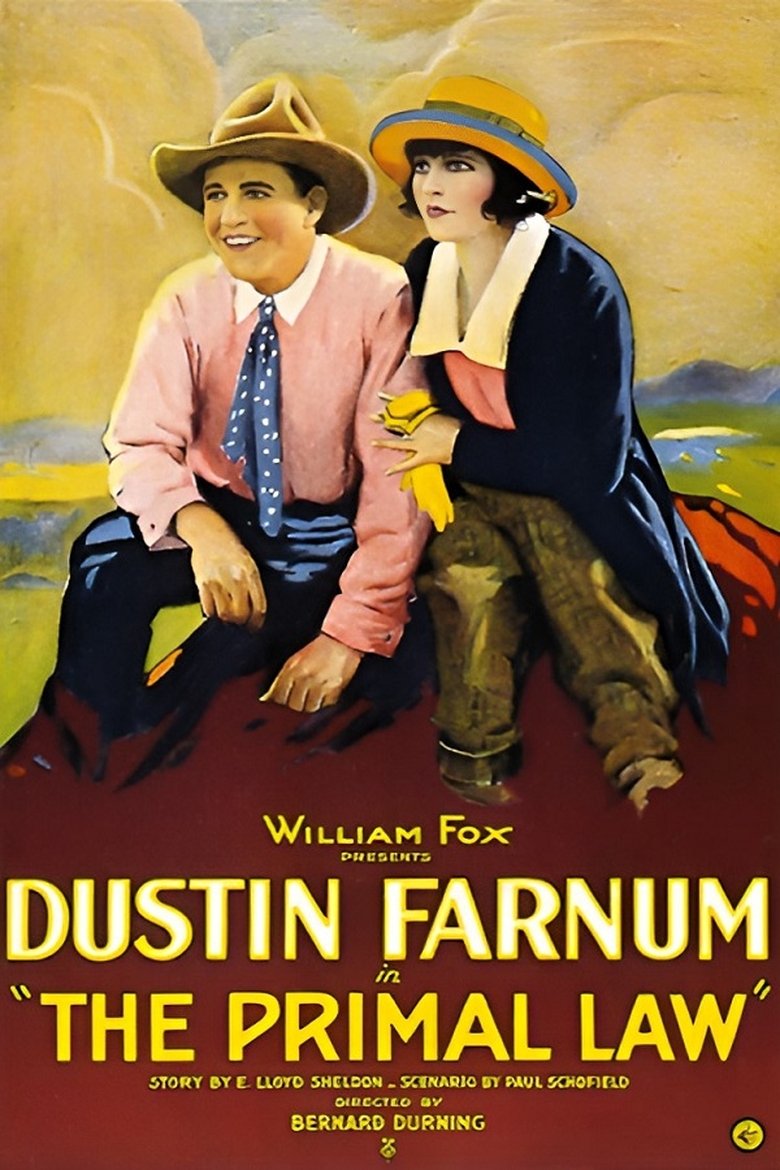
silent cowboy western starring Dustin Farnum as a rancher whose partner is killed by rustlers. He takes in his partner's young son, and begins to sell his ranch, but the boy finds oil on the land.
Overall Score
Minimal
Category Breakdown
LGBTQ+ Representation
The film lacks any evidence of non-heteronormative identities. The romance genre designation suggests a traditional courtship arc typical of 1920s melodrama.
Gender Representation
The plot centers on masculine archetypes like the rancher and the rustler. While a child introduces caretaking, agency remains firmly with the male lead.
Racial & Ethnic Diversity
The narrative likely reflects the era's focus on Anglo-Saxon protagonists. There is no indication of a diverse cast or non-white characters with significant agency.
Religious & Cultural Diversity
The story reinforces traditional Western values regarding land ownership and the nuclear family. It aligns with frontier-era ideals of prosperity and individual justice.
Disability Representation
There are no characters depicted navigating physical, sensory, or neurodivergent experiences.
Strengths
Areas for Improvement
AI Analysis
The Primal Law is a standard silent-era Western that prioritizes traditional storytelling tropes. It follows a conventional trajectory of personal loss, guardianship, and frontier justice. The film reinforces established social hierarchies of the 1920s, focusing on a singular masculine hero. The narrative architecture centers on property and resource conflicts rather than social critique. Ultimately, the work lacks intersectional complexity. It adheres strictly to the period's cinematic norms regarding gender, race, and cultural values.
1927
1923
1925
1922
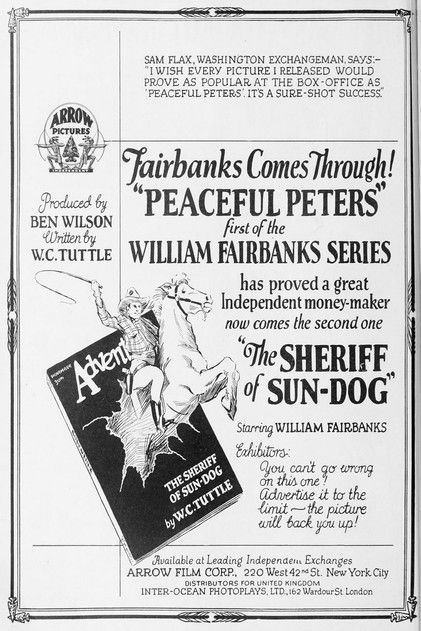
1922

1920
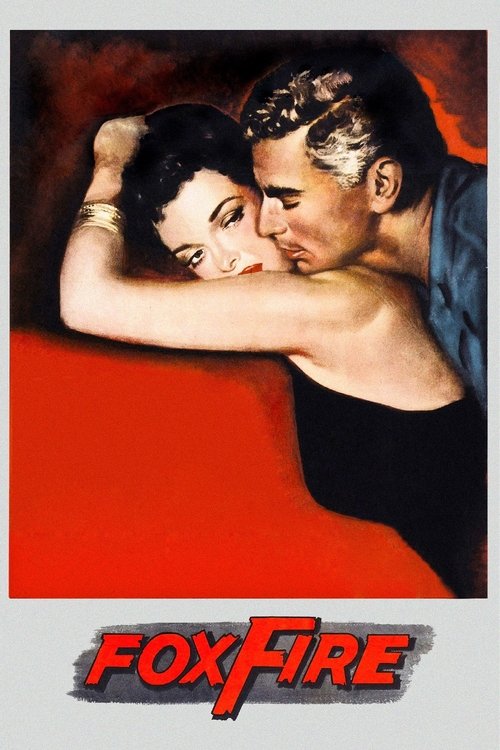
1955
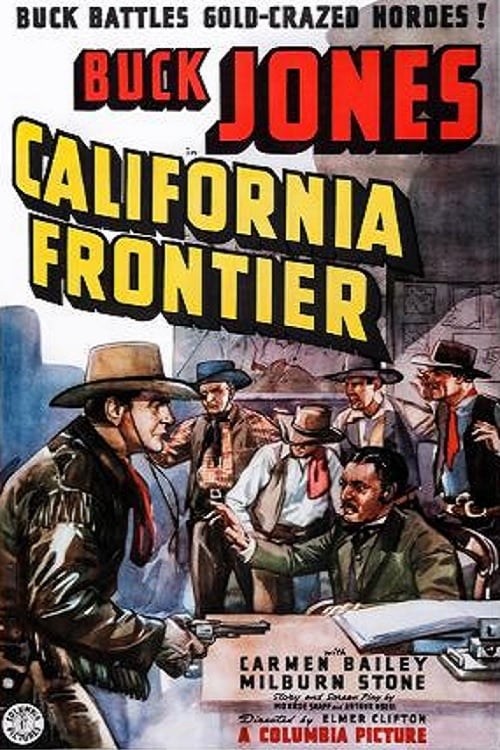
1938
No reviews yet. Be the first to share your thoughts on this movie!
Use the rating form above to leave a star rating and optional review.