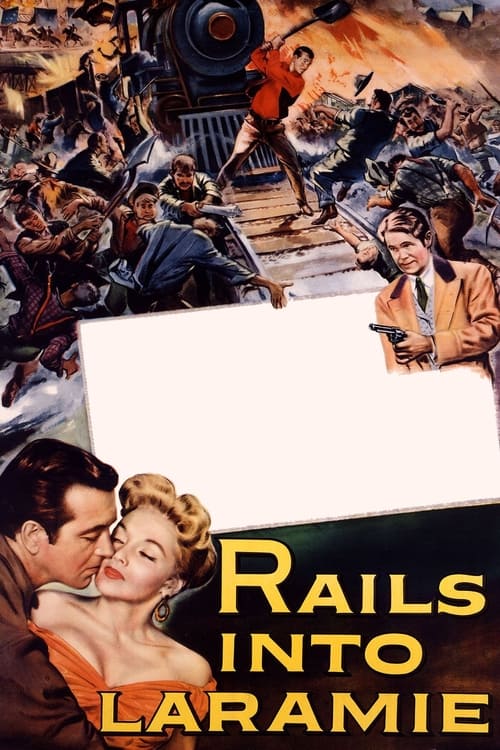
Rails Into Laramie
1954
No user ratings available yet
Representation score: 0.3 out of 10
Representation Score
Minimal
1951
ApprovedDirector
Spencer Gordon Bennet, Thomas Carr
Runtime
260 minutes
Average Rating
No ratings yetNew Showbiz Analysis
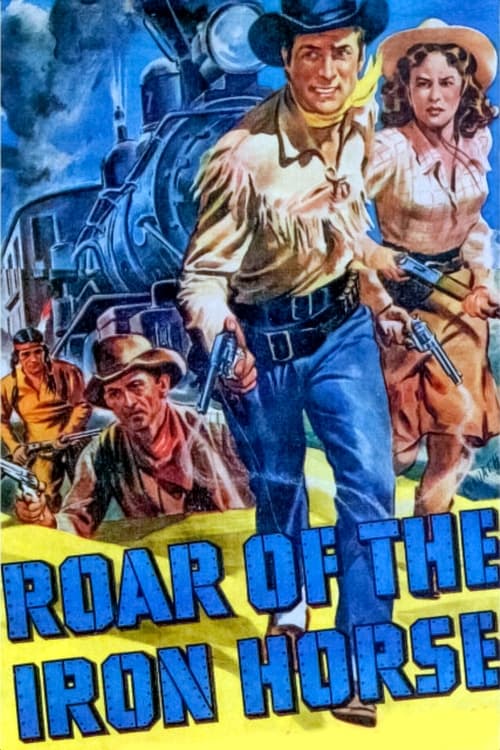
Roar of the Iron Horse is a classic 1950s Western serial that emphasizes fast-paced action and clear moral boundaries. The story revolves around the construction of the transcontinental railroad, presenting it as a symbol of industrial progress and order. The film's representation leans heavily towards traditional mid-century hierarchies. It centers on a single male hero and upholds established social norms, leaving little room for diverse viewpoints or challenging genre clichés. Overall, the movie serves as a celebration of Western expansion. It does not engage meaningfully with issues of race, gender, or LGBTQ+ identities, focusing instead on the conflict between lawful citizens and criminal saboteurs.
Category Breakdown
The serial does not include any LGBTQ+ characters or stories that go beyond the assumption that everyone is straight or cisgender. It follows the conventions that assume everyone is straight.
The male protagonist holds most of the power and leadership in the story. Female characters tend to have smaller, traditional roles.
The story focuses on a white hero and does not show characters of color taking significant roles. There are no characters of color with major influence in the story.
The plot emphasizes Western expansion and industrial progress. It supports traditional values like patriotism and the success of organized industry over chaos.
The film does not feature any characters with physical or neurodivergent disabilities. The story focuses on physical action and the protagonist's investigation.
Present on Screen
Limited or Absent
Official Synopsis
Columbia Pictures elevated stunt man Jock O'Mahoney to stardom in this 15 chapter western serial about the building of the transcontinental railroad. O'Mahoney played a railroad agent who uncovers the master criminal behind a series of sabotage attempts on the construction site.
1954
1939
1952
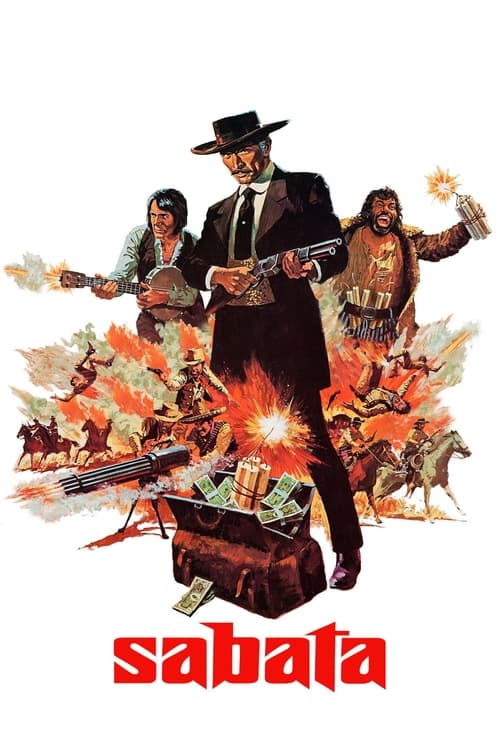
1969
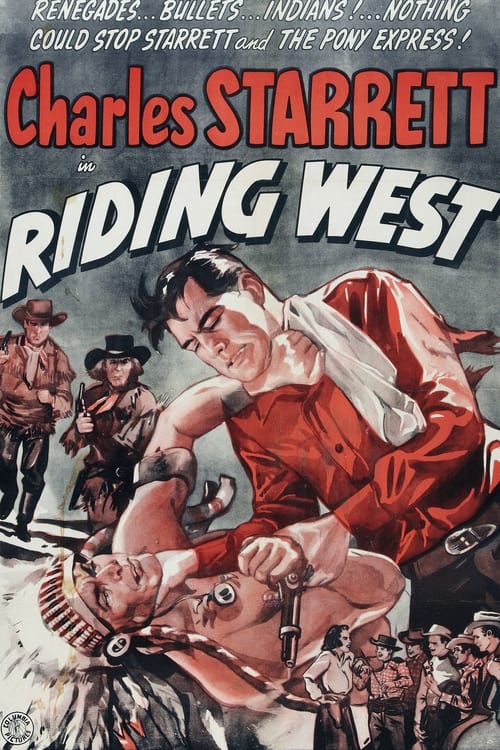
1944
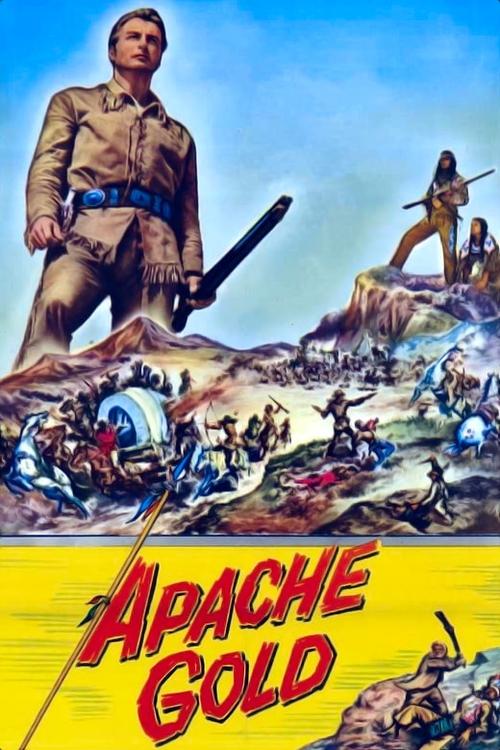
1963
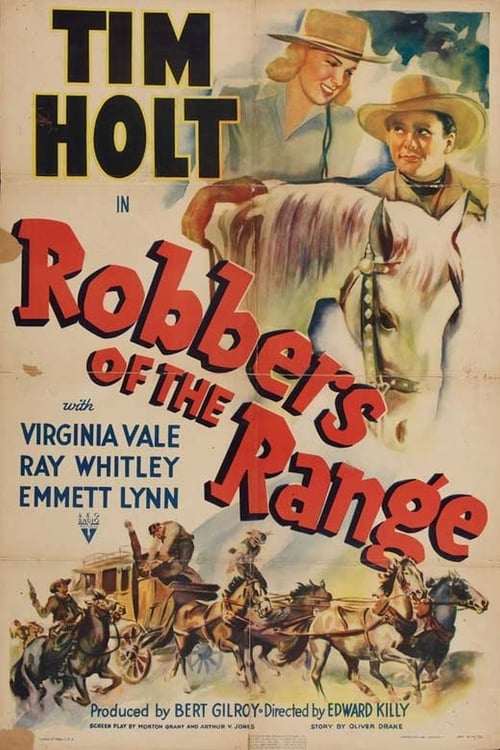
1941
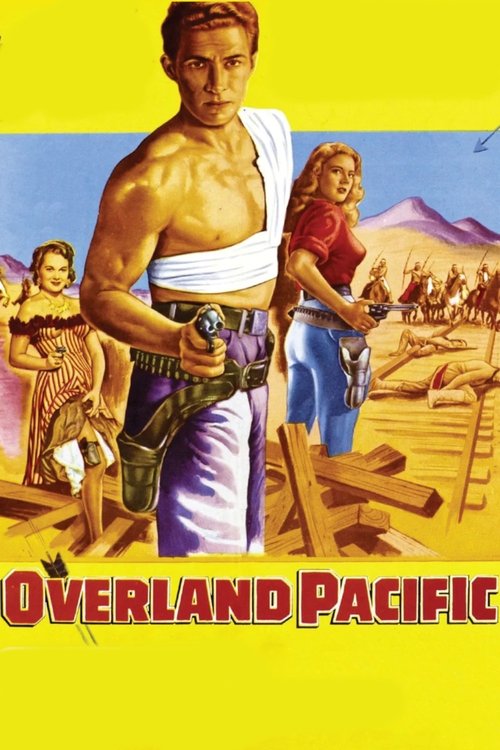
1954
No reviews yet. Be the first to share your thoughts on this movie!
Use the rating form above to leave a star rating and optional review.