
Lost and Love
2015
No user ratings available yet
Representation score: 0.8 out of 10
Representation Score
Limited
2003
Director
Lee Kang-sheng
Runtime
82 minutes
Average Rating
No ratings yetNew Showbiz Analysis
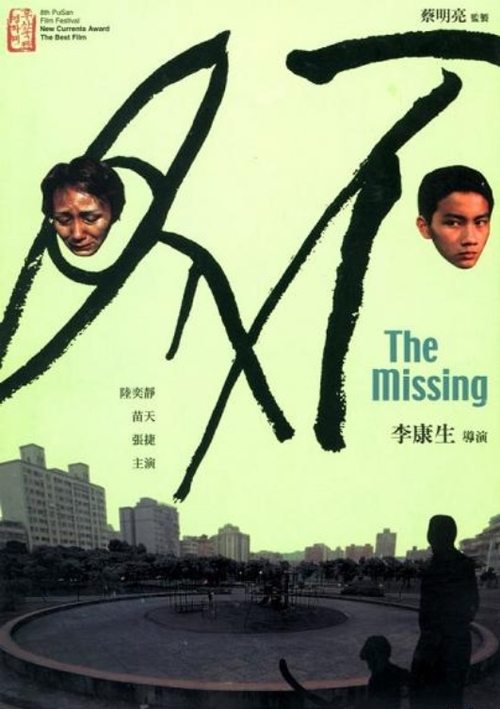
The Missing is a character-driven drama that finds its strength in its departure from Western narrative clichés. By utilizing an East Asian lens and a minimalist, atmospheric style, it offers a necessary alternative to mainstream cinematic structures. However, the film lacks explicit markers of diversity. It does not provide clear representation for LGBTQ+ identities or disability, and its gender dynamics remain rooted in traditional familial roles. While culturally distinct, it lacks the systemic critiques required for a higher progressive score.
Category Breakdown
The film does not include explicit LGBTQ+ characters or narratives. Although the director's style often explores unconventional intimacy and loneliness, no non-straight relationships are confirmed as primary drivers.
A grandmother serves as the central figure of emotional labor and ability to act. However, the roles appear to follow standard familial structures without a clear challenge to traditional gender roles.
As an East Asian production, the film provides a non-Western perspective. It operates outside Hollywood-standardized storytelling, offering an inherent cultural alternative to Western-centric narratives.
The story focuses on domestic and interpersonal bonds rather than social or political critiques. It prioritizes emotional realism over the deconstruction of Western institutions or secularist ideologies.
There is no evidence regarding the depiction of physical, neurodivergent, or mental health disabilities within the narrative.
Present on Screen
Limited or Absent
Official Synopsis
A grandmother is looking for her grandson, a teenager for his grandfather.
2015
2002
2001

2006

2016

2014
2003
2009
No reviews yet. Be the first to share your thoughts on this movie!
Use the rating form above to leave a star rating and optional review.