My Father
2007
No user ratings available yet
Diversity score: 5.4 out of 10
2014
Not RatedDirector
JK Youn
Runtime
126 minutes
Average Rating
No ratings yetSynopsis
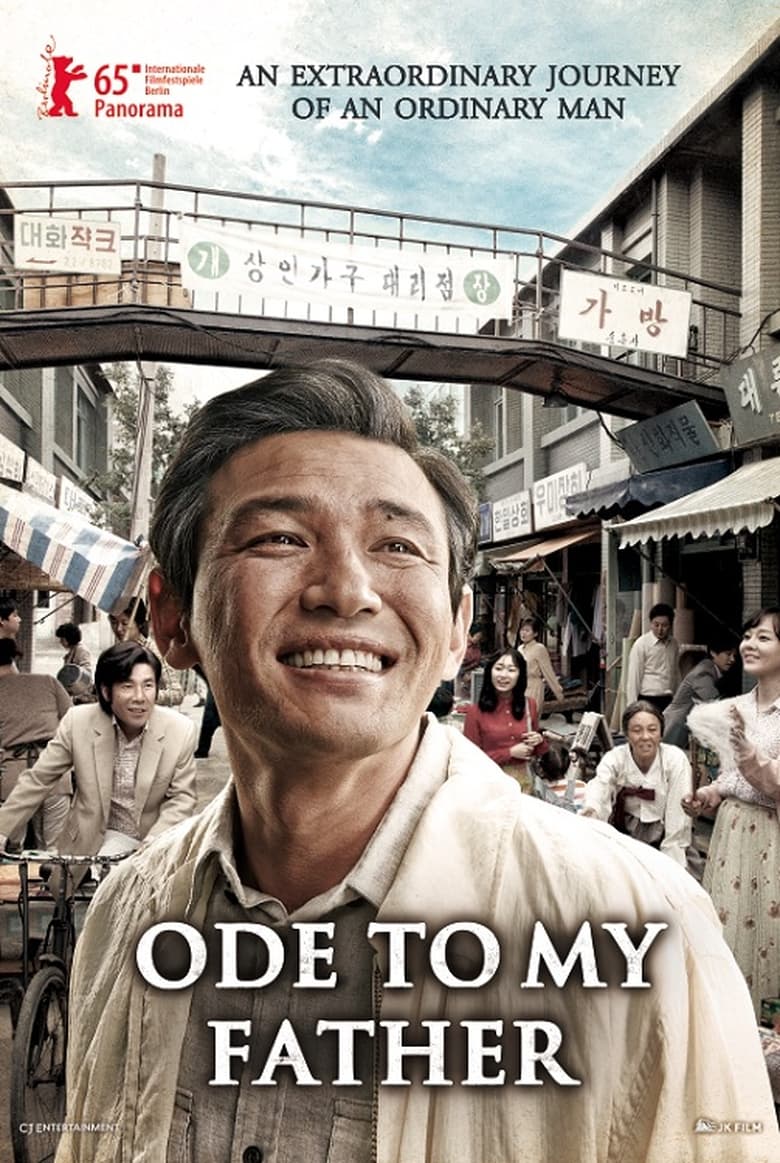
Duk-soo lost his father and younger sister while taking refuge during the Korean War. He leaves for Germany to work as a miner and enters the Vietnam War. He wishes to find his sister.
Overall Score
Limited
Category Breakdown
LGBTQ+ Representation
The film contains no LGBTQ+ characters or non-heteronormative identities. The social landscape is strictly defined by traditional domestic and familial structures.
Gender Representation
The narrative operates within a patriarchal framework, centering on a male provider archetype. Female characters are largely relegated to domestic spheres, caregiving roles, or positions of vulnerability.
Racial & Ethnic Diversity
The film explores the South Korean diaspora through the experiences of migrant workers in West Germany. It provides a nuanced look at the working class navigating foreign environments.
Religious & Cultural Diversity
The story celebrates traditional values like filial piety and national resilience. It emphasizes the duty of the individual to sacrifice personal desire for the stability of the collective.
Disability Representation
Physical trauma and disability are presented as consequences of war and manual labor. These elements function as plot devices to underscore historical hardships rather than exploring nuanced agency.
Strengths
Areas for Improvement
AI Analysis
Ode to My Father is a traditionalist historical epic that prioritizes nationalistic perseverance and patriarchal responsibility. The film uses a multi-generational structure to frame a personal journey as a microcosm of South Korea's socioeconomic reconstruction. While the film offers a vital perspective on the South Korean migrant experience in Germany, it does so through a lens that reinforces conventional social hierarchies. The narrative focuses on the grit required to survive global economic shifts rather than questioning established norms. Ultimately, the film's strength lies in its depiction of the diaspora, but its narrow focus on traditional morality and gender roles limits its broader diversity profile.
2007
2004
2017
2005
2003
1966
1957

2017
1972
2006
2021

2015
No reviews yet. Be the first to share your thoughts on this movie!
Use the rating form above to leave a star rating and optional review.