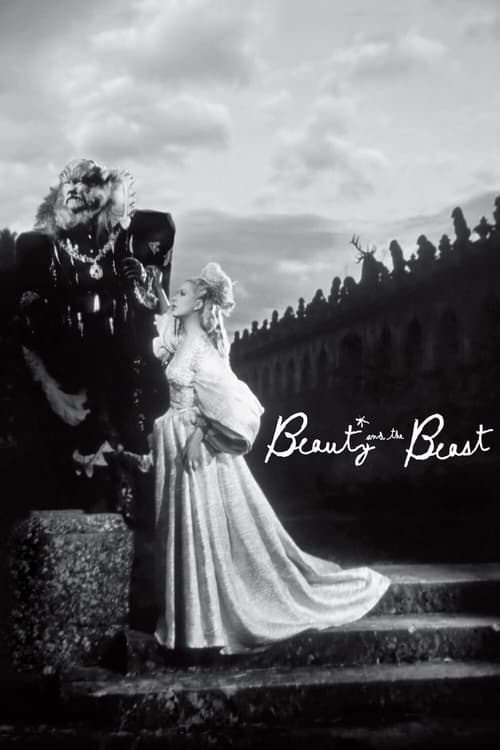
Beauty and the Beast
1946
No user ratings available yet
Representation score: 3.8 out of 10
Representation Score
Limited
1922
Director
Carl Theodor Dreyer
Runtime
75 minutes
Average Rating
No ratings yetNew Showbiz Analysis
Carl Theodor Dreyer’s work provides a fascinating study of power through its subversion of gendered hierarchies. The princess serves as a actively leading protagonist who dictates the terms of the romantic pursuit, moving far beyond the passive 'damsel in distress' archetype. However, the film is heavily constrained by its historical and genre-based origins. It adheres to the demographic and narrative norms of early 20th-century European folklore, which limits its breadth in terms of racial and LGBTQ+ inclusion.
Category Breakdown
The film follows a traditional fairy-tale structure focused on a prince and princess. There is no presence of same-sex relationships or non-binary gender identities.
The princess subverts typical gender clichés by acting as an imperious figure with lethal control. She rejects marriage and commands her environment, challenging submissive femininity.
Set within a folkloric European context, the film reflects the homogeneous demographic norms of the early 20th century. No racial blending is present.
The narrative utilizes a fantastical logic involving spirits and magic rather than strict religious dogma. However, it remains rooted in traditional European storytelling.
There are no prominent depictions of physical or neurodivergent characters. Consequently, no meaningful assessment of disability representation can be made.
Present on Screen
Limited or Absent
Official Synopsis
A beautiful but imperious princess refuses all offers of marriage, often condemning her suitors to death. The prince of Denmark comes seeking her hand and, aided by magic objects given to him by a mysterious spirit, seeks to win her love.
1946
1970
1951
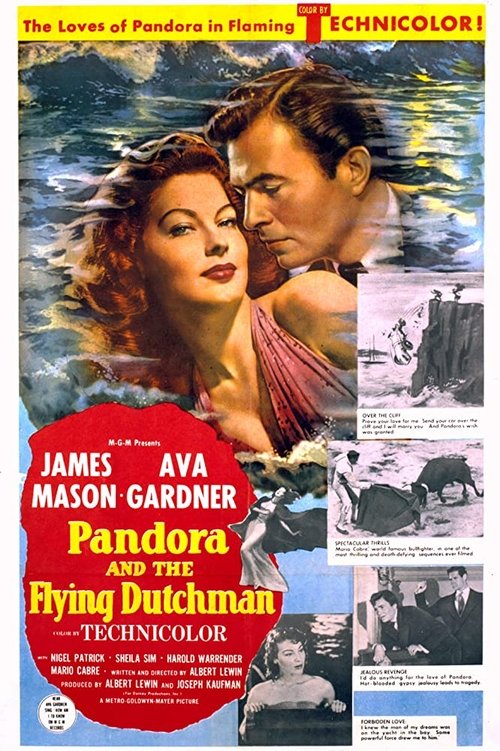
1951
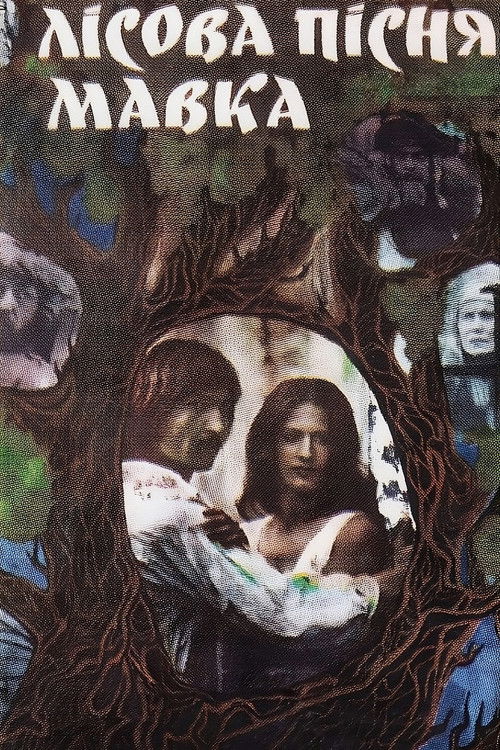
1980
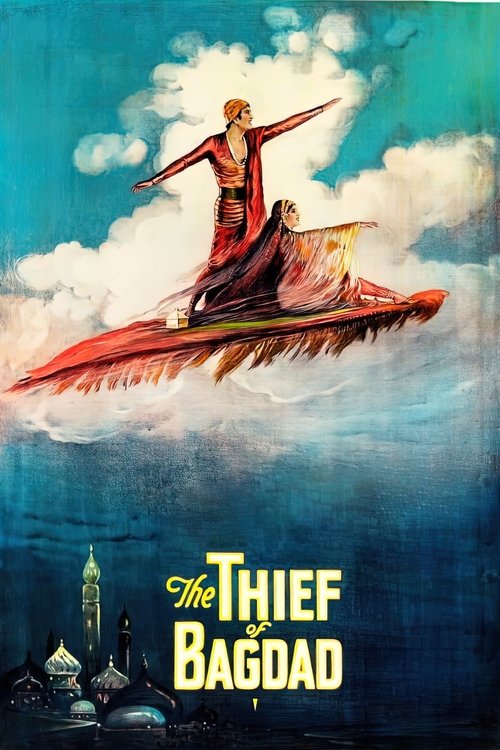
1924
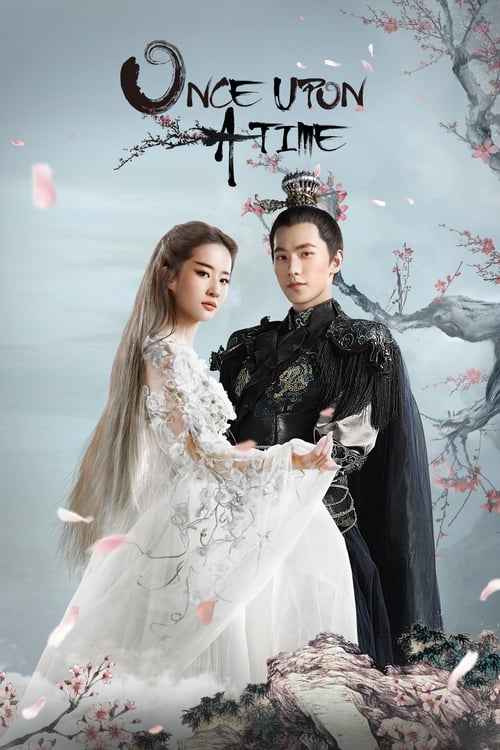
2017
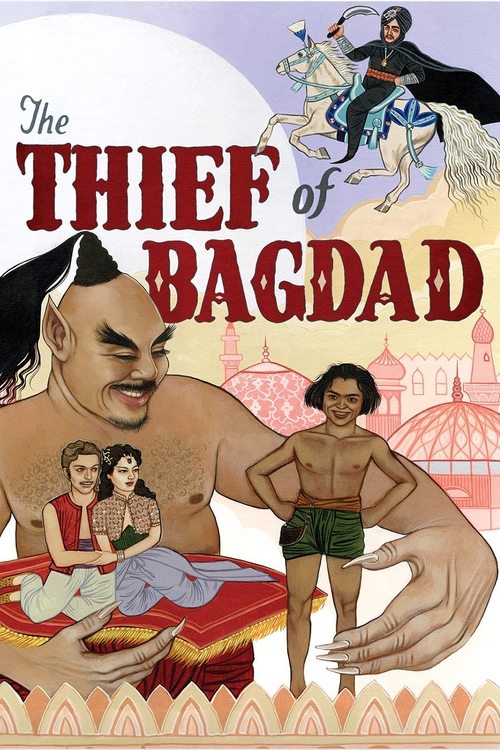
1940
No reviews yet. Be the first to share your thoughts on this movie!
Use the rating form above to leave a star rating and optional review.