The Enchanted Cottage
1945
No user ratings available yet
Representation score: 3.2 out of 10
Representation Score
Minimal
1948
NRDirector
William Dieterle
Runtime
86 minutes
Average Rating
No ratings yetNew Showbiz Analysis
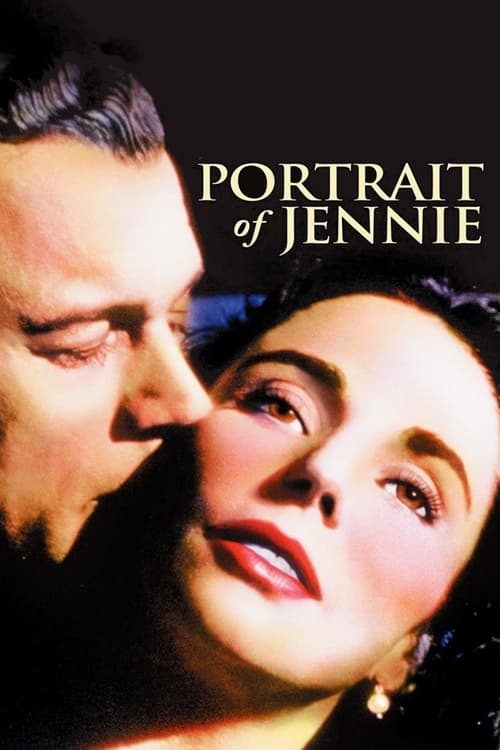
Portrait of Jennie is a lyrical romantic fantasy that prioritizes atmospheric storytelling and visual texture over social commentary. While technically accomplished in its use of temporal shifts, the film adheres strictly to mid-century cinematic conventions. The narrative architecture aims to elevate romance to a mythic level rather than challenging established social or gender hierarchies. It functions as a traditionalist work of its era, focusing on idealized, ethereal connections. Because the film lacks diverse identities and avoids the subversion of cultural norms, it remains a product of its historical context, emphasizing individual emotion over varied representation.
Category Breakdown
The film focuses solely on a relationship between two heterosexual individuals and does not include any representations of LGBTQ+ identities or critiques of traditional romantic structures.
Jennie's role is primarily as a mystical muse, serving as an object of contemplation and inspiration for the male protagonist. She has limited influence over the plot and serves mainly as a symbol of inspiration.
The cast is predominantly made up of actors with similar backgrounds, reflecting the studio standards of 1948. The narrative centers around a white, Eurocentric vision of beauty and romance.
The story emphasizes personal experiences of love and loss without critiquing broader social structures. It maintains a conventional approach to social and moral order without questioning traditional institutions.
The film does not depict any significant instances of physical or neurodivergent disabilities within the main storyline.
Present on Screen
Limited or Absent
Official Synopsis
In Depression-era New York, painter Eben Adams despairs at his lack of success. One cold winter evening in Central Park, he meets enigmatic, old-fashioned Jennie Appleton, who captures his fancy when she asks him to wait for her to grow up. Soon after, Eben sells a sketch of Jennie to kindly art dealer Miss Spinny and, as he meets the oddly mutable Jennie in fleeting moments, begins to realize they share a special destiny.
1945
1951
1950
1943
1948
1947
1934
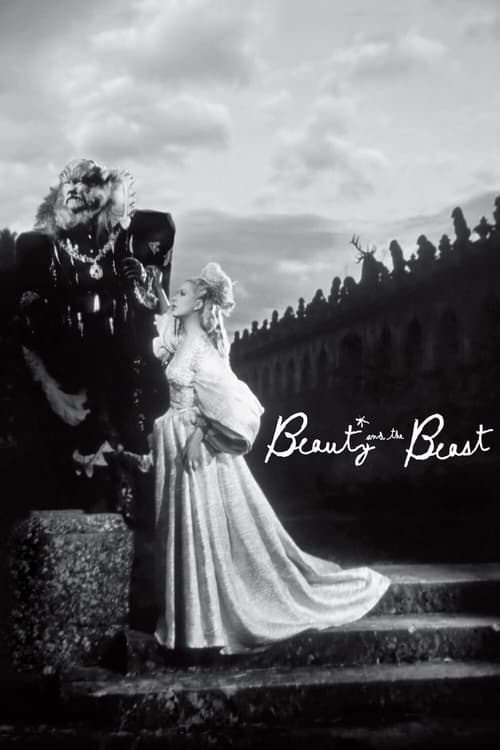
1946
No reviews yet. Be the first to share your thoughts on this movie!
Use the rating form above to leave a star rating and optional review.