Alsino and the Condor
1982
No user ratings available yet
Representation score: 4.6 out of 10
Representation Score
Fair
2001
Director
Issa Serge Coelo
Runtime
100 minutes
Average Rating
No ratings yetNew Showbiz Analysis
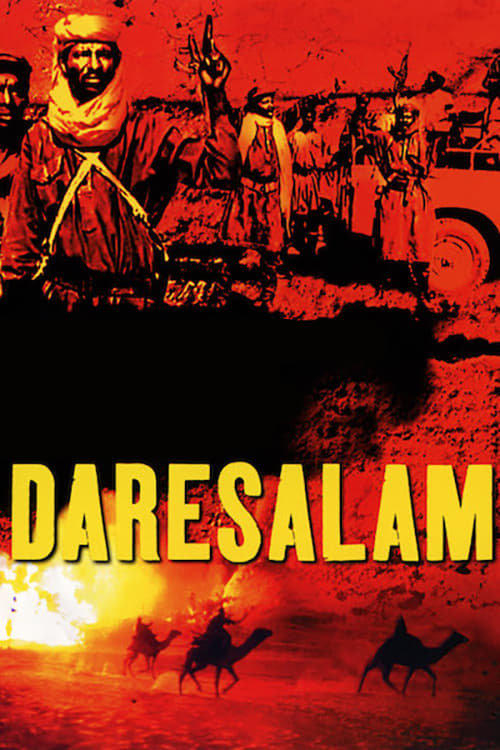
Daresalam is a compelling piece of regional cinema that emphasizes racial authenticity and systemic critique. By highlighting the struggles of Central African villagers against a post-colonial state, it successfully reclaims ability to act for local populations. However, the film adheres to traditional gender and identity frameworks, focusing mainly on male protagonists and their political journeys, which limits broader gender diversity and LGBTQ+ representation.
Category Breakdown
The story focuses on the close friendship between two male characters and their differing political views. There are no clear representations of LGBTQ+ identities or non-straight characters.
The story is centered around a male coming-of-age experience. Although it examines village society, the main roles and actions are primarily those of male characters.
The film highlights an all-African cast and focuses on the lives of local people. It challenges Western storytelling by putting the local community at the forefront of the narrative.
The film critiques the post-colonial government and economic policies. It provides a nuanced view of the moral consequences of political conflict and guerrilla warfare.
There are no significant depictions of physical or cognitive disabilities that play a central role in the narrative.
Present on Screen
Limited or Absent
Official Synopsis
In a small Central African village, boyhood friends Djimi and Koni have come of age under a post-colonial government that levies crippling taxes and legally robs local farmers of their meager crops. When impulsive Koni savagely attacks a visiting government official, the resulting massacre forces the two friends on a journey that will transform them from boys into men, from farmers into soldiers and from villagers into revolutionaries. "We fight in one world so we can live in another," declares Koni as the two battle shoulder to shoulder against government troops. But while Koni embraces the politics and carnage of their dangerous new guerilla existence, Djimi longs for the simplicity and grace of the village life they've left behind. As the rebels move closer to victory, the two friends move closer to a clash of their own.
1982
1966

1991
2012
1969
1995

2016

2006
No reviews yet. Be the first to share your thoughts on this movie!
Use the rating form above to leave a star rating and optional review.