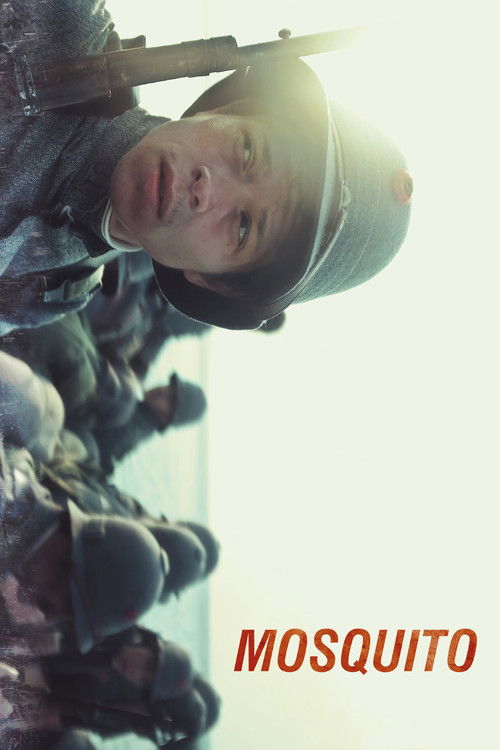
Mosquito
2020
No user ratings available yet
Representation score: 5.1 out of 10

Representation Score
Excellent
2016
Director
Ivo M. Ferreira
Runtime
105 minutes
Average Rating
No ratings yetNew Showbiz Analysis
Letters from War stands as a sophisticated historical drama that challenges traditional colonial clichés. It avoids the 'civilizing mission' narrative, focusing instead on the moral erosion caused by imperialist systems. The film excels in its use of the African setting to critique colonial power dynamics and highlight the protagonist's journey towards political awareness. However, it remains confined to traditional romantic storylines and lacks representation of LGBTQ+ identities or specific disability issues.
Category Breakdown
The main story focuses on the relationship between the protagonist and his wife, with no clear examples of LGBTQ+ narratives or non-straight identities.
The film highlights the male protagonist's emotional growth and political awareness rather than his physical prowess. His wife, while mostly seen through letters, plays a significant role in shaping his emotions.
The film steers away from Eurocentric triumphalism by portraying the African landscape as a transformative element. It features a diverse cast of Angolan individuals to critique colonial power structures.
The story dismantles Portuguese imperial identity by showing the protagonist's political awakening. It depicts colonial institutions as corrupting and emphasizes the traumatic impact of systemic oppression.
The film explores psychological trauma as a theme related to war, but there are no specific characters with physical or neurodivergent disabilities.
Present on Screen
Limited or Absent
Official Synopsis
In 1971, António Lobo Antunes' life is brutally interrupted when he is drafted into the Portuguese Army to serve as a doctor in one of the worst zones of the Colonial War – the East of Angola. Away from everything dear he writes letters to his wife while he is immersed in an increasingly violent setting. While he moves between several military posts he falls in love for Africa and matures politically. At his side, an entire generation struggles and despairs for the return home. In the uncertainty of war events, only the letters can make him survive.
2020
2015
2013
2018
2016
2018

2016
2019
No reviews yet. Be the first to share your thoughts on this movie!
Use the rating form above to leave a star rating and optional review.