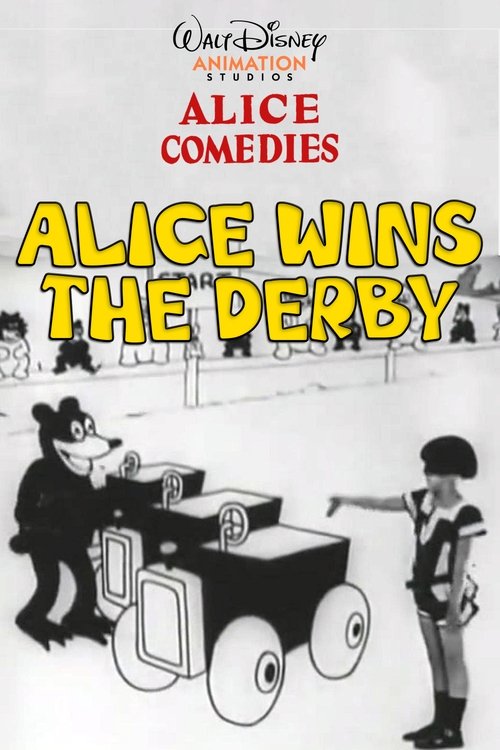
Alice Wins the Derby
1925
No user ratings available yet
Representation score: 2.1 out of 10
No Poster Available
Representation Score
Limited
1940
ApprovedDirector
Mannie Davis
Runtime
5 minutes
Average Rating
No ratings yetNew Showbiz Analysis
Edgar Runs Again is a product of its time, using traditional animation clichés to tell a simple story of survival and triumph. The narrative focuses on a male horse and a peddler navigating systemic threats like a glue factory and the police. While the film offers a classic underdog arc, it does so within a very narrow social lens. Characters and themes reinforce the status quo of the 1940s, prioritizing economic success and merit-based luck over social critique or diverse representation. Ultimately, the film functions as a conventional fable. It lacks the complexity required to address identity, disability, or cultural diversity, instead settling into a predictable trajectory of labor, luck, and eventual retirement.
Category Breakdown
The film does not depict any LGBTQ+ identities or same-sex relationships. It adheres to the assumption that everyone is straight or cisgender, typical of 1940s animation.
The story is driven entirely by male characters, including Edgar and the peddler. Women play minor roles and have little control over their own lives.
The plot focuses on a localized fable with no indication of racial blending. It likely reflects the homogeneous casting norms of its era.
The narrative follows a traditional capitalist framework where success is defined by economic success. It reinforces existing social hierarchies rather than critiquing them.
Edgar is described as a 'broken-down' horse, but this serves as a plot catalyst rather than a nuanced exploration of disability. No characters show real ability to act through disability.
Present on Screen
Limited or Absent
Official Synopsis
Edgar, a broken-down race horse, becomes a fugitive from a glue factory and is ousted from his park bench and chased by the police. He upsets a peddler's cart and the peddler befriends him. He pulls the cart and in his zeal to help his new master gets them both into trouble with the police. The police radio is tuned in on a horse race and Edgar breaks loose and heads for the race track, joins and wins the race. He and the junk-man retire to a life of ease.
1925
1941
1939

1933

1940
1944
1945

1928
No reviews yet. Be the first to share your thoughts on this movie!
Use the rating form above to leave a star rating and optional review.