Tree Cornered Tweety
1956
No user ratings available yet
Representation score: 0.1 out of 10
Representation Score
Minimal
1957
ApprovedDirector
Friz Freleng
Runtime
6 minutes
Average Rating
No ratings yetNew Showbiz Analysis
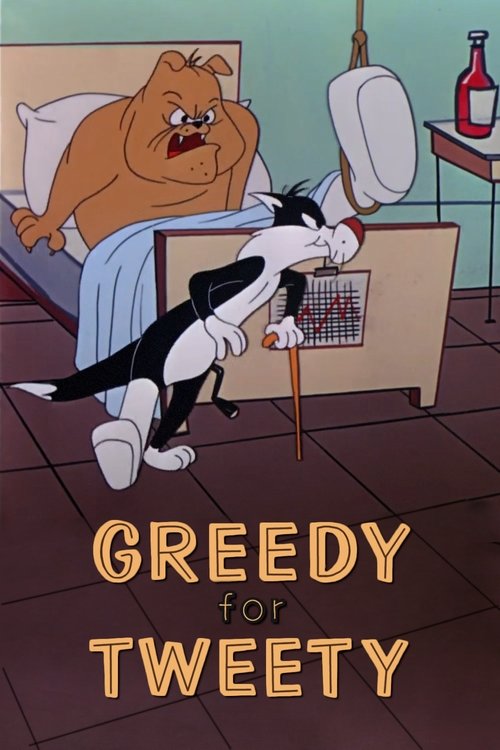
Greedy for Tweety is a product of mid-century studio animation that prioritizes kinetic slapstick over social complexity. The narrative is built on a repetitive, cyclical conflict between predator and prey, which avoids any engagement with progressive values or the subversion of social hierarchies. The film remains firmly within the conservative storytelling traditions of its era. It relies on established character clichés and a binary moral structure that lacks nuance or perspectives on multiple aspects of identity.
Category Breakdown
The film does not include any queer themes or non-straight identities. The story focuses solely on the predatory relationship between Sylvester and Tweety.
The narrative relies on traditional mid-century gender roles. Granny acts as a stabilizing force but does not challenge established gender norms or social structures.
The setting uses an anthropomorphic framework that lacks racial or ethnic complexity. The cast is homogeneous and does not engage with diverse cultural identities.
The story prioritizes slapstick comedy over social commentary. It reinforces standard mid-century domestic clichés without engaging in broader cultural critiques.
Physical injuries like broken legs serve as comedic plot devices rather than meaningful representations of disability. These injuries facilitate the chase's resolution without exploring disability in depth.
Present on Screen
Limited or Absent
Official Synopsis
Sylvester Cat chases Tweety Bird into busy city streets as he himself is being chased by a bulldog. All three are in an accident and taken to an animal hospital, each with a broken leg.
1956
1957
1955
1958
1954
1958
1956
1955
No reviews yet. Be the first to share your thoughts on this movie!
Use the rating form above to leave a star rating and optional review.