Soft Ball Game
1936
No user ratings available yet
Diversity score: 2.6 out of 10
No Poster Available
1935
ApprovedDirector
Walter Lantz
Runtime
7 minutes
Average Rating
No ratings yetSynopsis
Oswald plays a dimwit who wants to be a cowboy. Everyone laughs at him until he tames a really obnoxious wild horse.
Overall Score
Limited
Category Breakdown
LGBTQ+ Representation
The film lacks any evidence of LGBTQ+ characters or non-cisnormative identities. It follows a conventional comedic structure typical of the 1930s.
Gender Representation
Oswald's journey focuses on achieving a traditional masculine milestone. While his initial incompetence subverts the hyper-competent Western hero trope, it serves slapstick purposes rather than critiquing gender hierarchies.
Racial & Ethnic Diversity
The short relies on standard Western archetypes common to the era. There is no indication of a diverse cast or characters that move beyond homogeneous depictions of the American West.
Religious & Cultural Diversity
The narrative utilizes traditional cowboy and wild horse motifs. It reinforces individualistic storytelling through physical mastery rather than exploring complex cultural or secularist themes.
Disability Representation
The protagonist is characterized as a 'dimwit,' using cognitive differences as a comedic device. This portrayal functions as a caricature rather than a nuanced depiction of neurodivergence.
Strengths
Areas for Improvement
AI Analysis
Bronco Buster is a product of its era, functioning strictly within the slapstick traditions of 1930s animation. The narrative relies on established Western tropes and individualistic achievement to drive its comedy. The film lacks intersectional depth, offering little in the way of diverse representation or social critique. Instead, it leans into period-specific archetypes that reinforce standard genre conventions. Ultimately, the work serves as a snapshot of mid-century animation, prioritizing physical humor and traditional masculinity over progressive storytelling or nuanced character development.
1936
1935
1935
1937
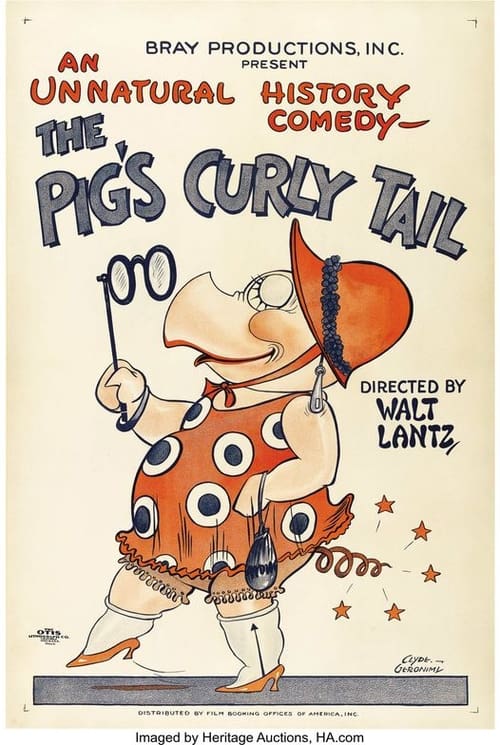
1926
1935
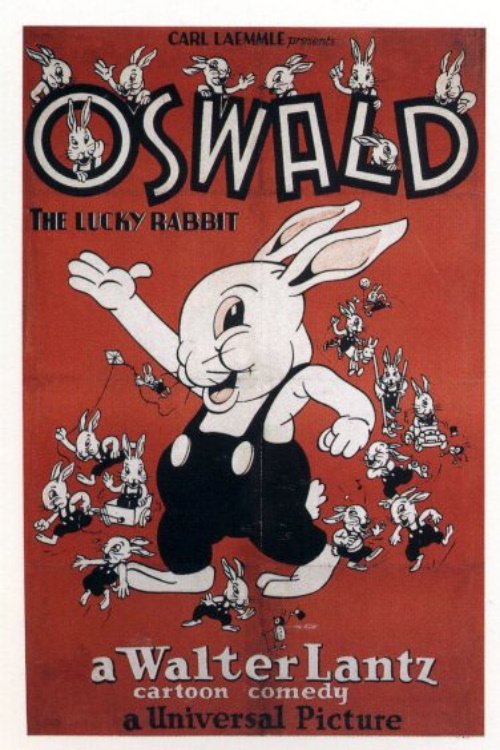
1935
1934
1935
1936

1941
1947
No reviews yet. Be the first to share your thoughts on this movie!
Use the rating form above to leave a star rating and optional review.