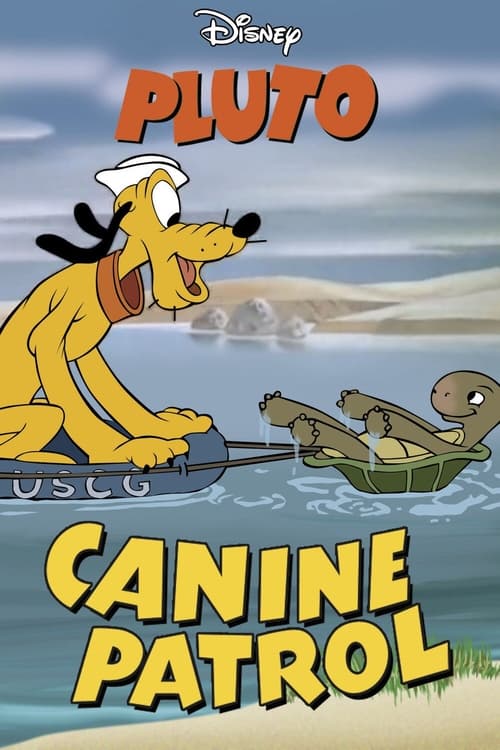
Canine Patrol
1945
No user ratings available yet
Representation score: 1.4 out of 10
Representation Score
Minimal
1947
NRDirector
Charles August Nichols
Runtime
7 minutes
Average Rating
No ratings yetNew Showbiz Analysis
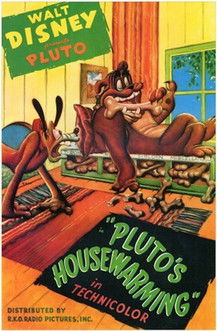
Pluto's Housewarming is a typical mid-century animated short that prioritizes slapstick comedy and physical conflict over social commentary. The narrative centers on territorial disputes between Pluto, Butch, and a turtle, focusing on the disruption of domestic stability. The film adheres to traditional 1940s storytelling conventions, emphasizing the preservation of domestic order and resolving friction through physical action, rather than challenging or deconstructing social hierarchies. Because the characters are anthropomorphic animals, the film lacks representation of human identity, race, or gendered power dynamics, resulting in a very low diversity score.
Category Breakdown
The story revolves around interspecies rivalry and territorial disputes, with no representation of LGBTQ+ identities or critiques of societal norms regarding sexual orientation and gender.
The cast comprises non-human animals, making it difficult to assess human gender roles. The story relies on traditional clichés of dominance and displacement.
Since the film features anthropomorphic animals, it does not engage with human racial or ethnic diversity. Instead, it focuses on character archetypes without showcasing a diverse ensemble.
The plot emphasizes traditional concepts of home and property ownership, focusing on maintaining a personal residence rather than exploring broader cultural or institutional themes.
The film does not include characters with visible or invisible disabilities. No neurodivergent or physical impairments are used as narrative devices.
Present on Screen
Limited or Absent
Official Synopsis
Pluto has just finished moving his bones into a spiffy new doghouse when a turtle comes along and starts moving them out. While Pluto is dealing with the turtle, Butch takes up residence. Butch chases Pluto back to his grungy old doghouse, and now it's his turn to deal with the tenacious little turtle. The turtle wins, and he and Pluto become friends.
1945

1950

1949
1946
1941
1948
1943
1942
No reviews yet. Be the first to share your thoughts on this movie!
Use the rating form above to leave a star rating and optional review.