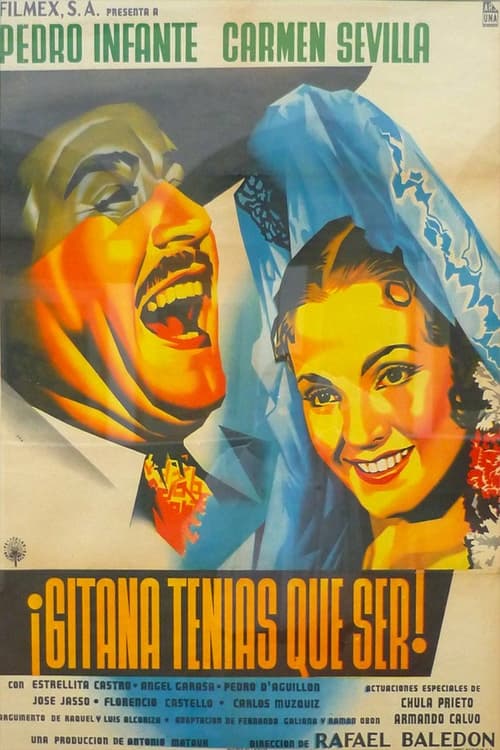
Gitana Tenias Que Ser
1953
No user ratings available yet
Representation score: 1.4 out of 10

Representation Score
Limited
1956
Director
Julián Soler
Runtime
110 minutes
Average Rating
No ratings yetNew Showbiz Analysis
This film is a classic example of the Golden Age of Mexican cinema, strictly following the romantic comedy clichés of 1956. It serves as a character study within established social hierarchies, emphasizing family cohesion and traditional courtship. While the film offers a culturally specific Mexican perspective, it does not aim to disrupt or challenge the status quo. Instead, it reinforces the domestic and social norms of its time through a conventional narrative structure. Overall, the work captures mid-century social values, focusing on romantic tension and family dynamics without diverse or multi-layered representation.
Category Breakdown
The film focuses on a typical romance between a man and a woman and does not include any characters with non-straight identities or challenge traditional dating norms.
Gender roles in the film follow mid-century traditions, with the male lead portrayed as pampered. Conflict arises from female relatives trying to control the household.
The cast is mainly Mexican, reflecting the national identity of the era. The film focuses on a homogeneous cultural perspective without multi-ethnic casting.
The story upholds traditional Mexican social structures and emphasizes the importance of extended family. It prioritizes family order and social propriety over any critique of morality.
There are no visible or hidden disabilities mentioned in the characters' stories or the main plot.
Present on Screen
Limited or Absent
Official Synopsis
A young teacher is sent to a remote estate to educate a wealthy man who has grown up isolated from society. As she introduces him to formal education and social conventions, their contrasting views of the world lead to a series of unexpected encounters.
1953

1937
1944
1966

1947

1963
1951
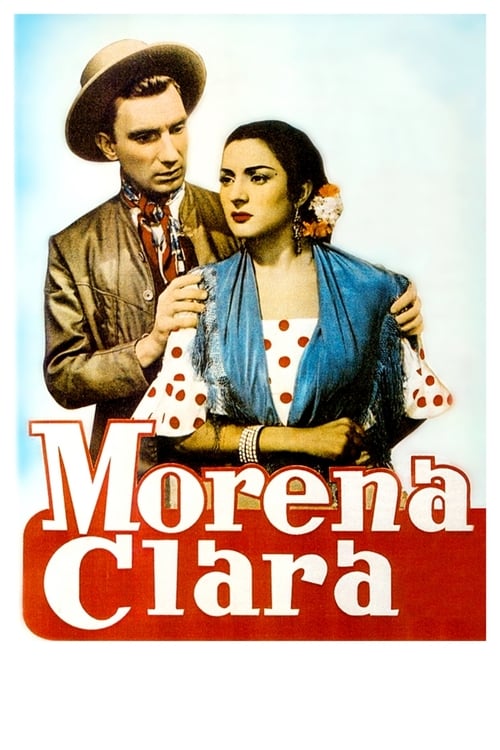
1954
No reviews yet. Be the first to share your thoughts on this movie!
Use the rating form above to leave a star rating and optional review.