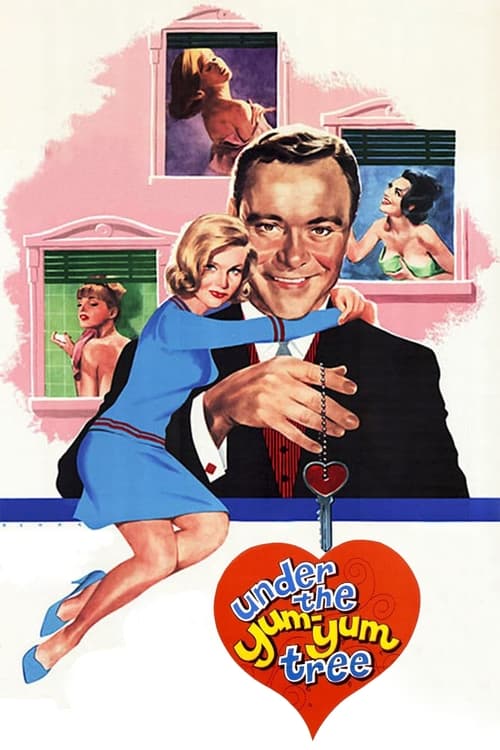
Under the Yum Yum Tree
1963
No user ratings available yet
Representation score: 0.4 out of 10
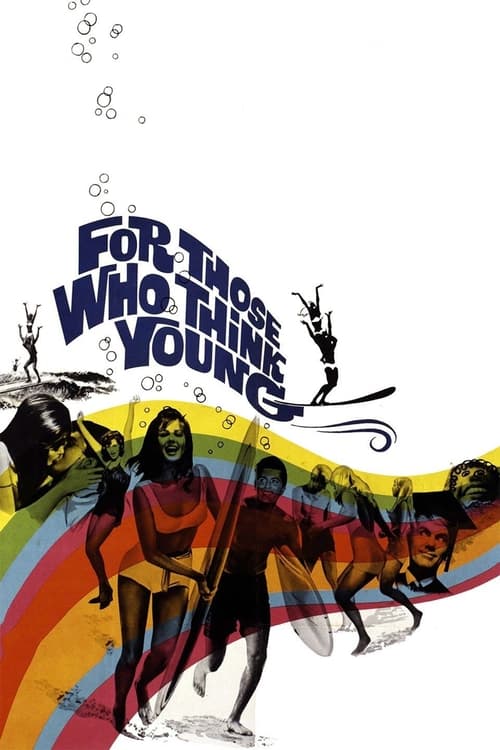
Representation Score
Minimal
1964
ApprovedDirector
Leslie H. Martinson
Runtime
96 minutes
Average Rating
No ratings yetNew Showbiz Analysis
For Those Who Think Young (1964) operates as a typical mid-century genre piece that upholds the social status quo. The film emphasizes conventional romantic clichés and youthful energy over exploring diverse lived experiences. The narrative structure aligns with the demographic norms of its time, centering on a wealthy young man's pursuit of a university student. This setup fails to challenge established cultural frameworks or engage with multiple aspects of identity. Ultimately, the film reflects a homogeneous and Anglo-centric social environment that avoids confronting existing power dynamics.
Category Breakdown
The film does not include any LGBTQ+ characters or non-straight identities. Romantic storylines are focused solely on traditional heterosexual relationships.
Gender roles follow typical mid-century patterns. Female characters mainly serve as objects of pursuit for male protagonists, reinforcing traditional social hierarchies.
The casting is overwhelmingly white and centered around Anglo-American actors. There is a lack of racial or ethnic diversity among the main characters.
The storyline highlights mid-century Western values and middle-class stability. It focuses on light-hearted teenage antics without addressing systemic issues.
The film does not represent physical, sensory, or neurodivergent identities. Characters are shown as fully able-bodied individuals.
Present on Screen
Limited or Absent
Official Synopsis
A wealthy young man tries to woo a university student, while her two uncles work to popularize a local club.
1963
1958
1957
1925
1965
1966

1951

1952
No reviews yet. Be the first to share your thoughts on this movie!
Use the rating form above to leave a star rating and optional review.