
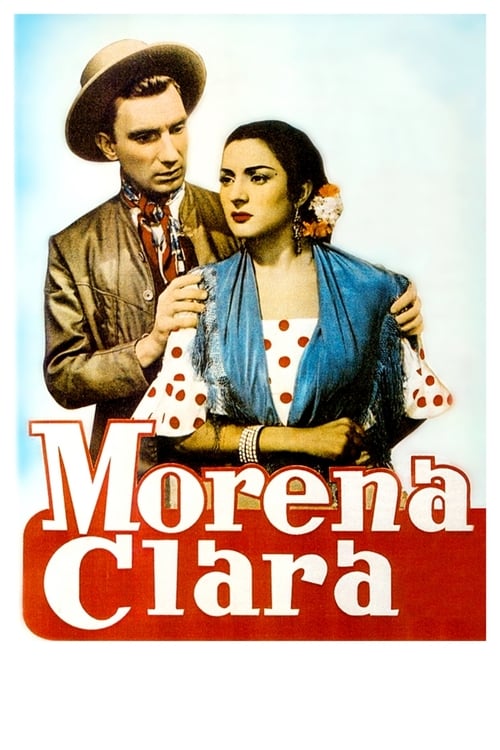
Morena clara
1936
No user ratings available yet
Representation score: 2.6 out of 10
Representation Score
Limited
1954
Director
Luis Lucia
Runtime
94 minutes
Average Rating
No ratings yetNew Showbiz Analysis
Morena clara is a commercial comedy from 1950s Spain that follows established cinematic norms. While it introduces ethnic characterization through its Romani protagonist, the film lacks depth in representing diverse identities. The narrative heavily relies on traditional romantic clichés, reinforcing conventional social hierarchies rather than challenging them. The film prioritizes lighthearted entertainment and romantic resolution over systemic critiques or progressive representation. Ultimately, Morena clara focuses on maintaining social order and traditional relationships, lacking any substantial critique of class structures or institutions.
Category Breakdown
The film does not depict any non-straight relationships or identities. The story follows a traditional romance between a female lead and a male prosecutor.
Trini uses a disguise to manipulate her social standing, showing she can take control of her situation. However, the plot still relies on conventional courtship and traditional romantic endings.
The film includes Romani culture through the character of Trini, who is the protagonist. Her ethnic background is a key part of her story.
The movie follows mid-century moral standards, focusing on restoring social order and traditional relationships rather than critiquing class structures.
There is no information about the portrayal of physical or neurodivergent disabilities in this film.
Present on Screen
Limited or Absent
Official Synopsis
Trini, a gipsy girl, and her uncle Regalito are tried for the theft of several hams. Some time later, she presents herself, disguised as a maid, at the house of her former prosecutor, who ends up falling in love with her.
1936
1940
1945
1944

1945
1942
1948
1950
No reviews yet. Be the first to share your thoughts on this movie!
Use the rating form above to leave a star rating and optional review.