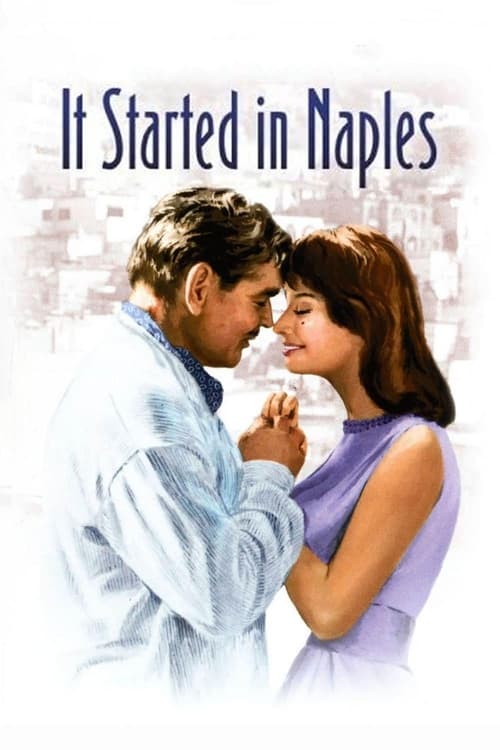
It Started in Naples
1960
No user ratings available yet
Representation score: 1.4 out of 10
Representation Score
Minimal
1957
NRDirector
Richard Thorpe
Runtime
114 minutes
Average Rating
No ratings yetNew Showbiz Analysis
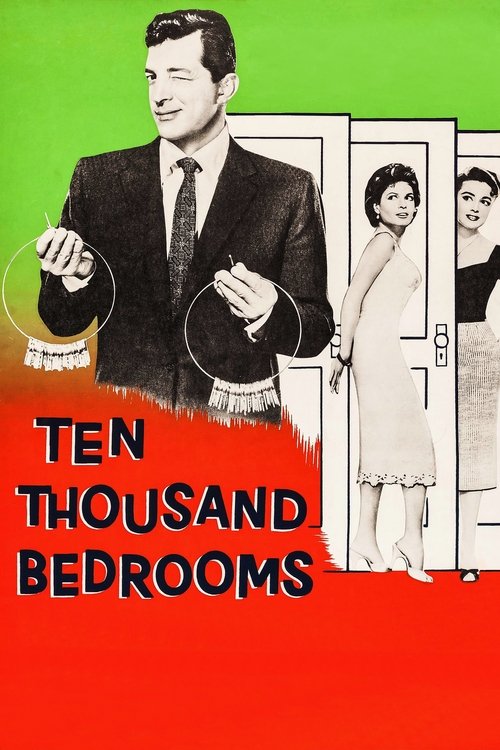
Ten Thousand Bedrooms is a classic example of the 1950s Hollywood production style, focusing on conventional genre elements rather than progressive storytelling. While it introduces an international setting with an Italian lead, the underlying power structures remain traditional. The film centers around a male protagonist who drives the plot, while female characters are defined by their relationships to the male lead. The narrative does not challenge Western-centric power dynamics, maintaining a tourist perspective that celebrates a foreign setting without critiquing its underlying power structures.
Category Breakdown
The film does not include any characters with non-binary gender identities or same-sex relationships. It follows traditional heterosexual romance themes typical of the 1950s.
The story is driven by a male-dominated framework where the male mogul is the main character. Female characters are primarily used to advance the male protagonist's goals.
The film features a Roman setting and an Italian lead, adding ethnic variety. However, the story remains focused on a Western perspective where an American protagonist navigates a foreign culture without questioning Western power structures.
The narrative aligns with mid-20th century Western social values, emphasizing stable marriages and traditional family units without challenging existing societal norms.
There are no characters with physical or cognitive disabilities mentioned in the film.
Present on Screen
Limited or Absent
Official Synopsis
In this musical-comedy, Dean Martin plays an American hotel mogul who becomes smitten with a young Italian woman (Anna Maria Alberghetti) when buying a hotel in Rome. To marry this gal, he has to get her three older sisters married off.
1960

1952
1953
1951
1961

1966
1951

1937
No reviews yet. Be the first to share your thoughts on this movie!
Use the rating form above to leave a star rating and optional review.