Papa, Mama, the Maid and I
1954
No user ratings available yet
Representation score: 2.1 out of 10
Representation Score
Limited
1947
Director
Max de Vaucorbeil
Runtime
78 minutes
Average Rating
No ratings yetNew Showbiz Analysis
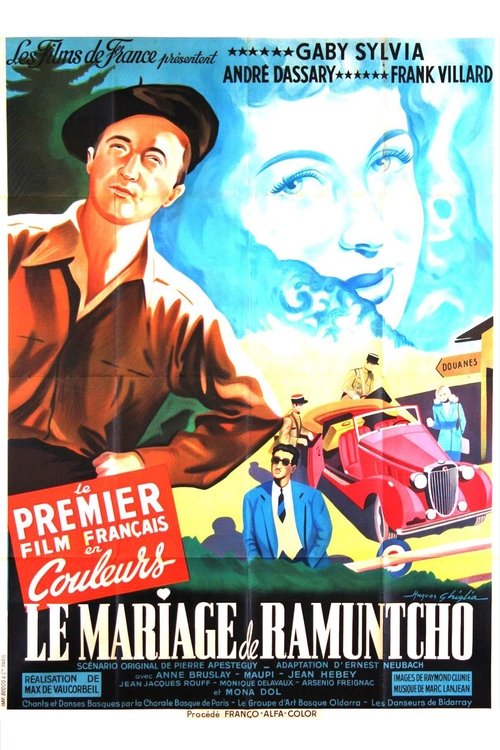
The film reflects its 1947 production era, emphasizing established social hierarchies and conventional romantic clichés. It functions as a period romance that relies heavily on traditional storytelling structures without challenging them. While the setting offers a specific sense of place through the Basque culture, the narrative lacks multi-layered depth. Character dynamics remain rooted in standard courtship patterns, providing little systemic critique or diverse representation.
Category Breakdown
The film focuses on a traditional love triangle involving a painter, a bride, and a smuggler. It does not include characters with non-binary gender identities or stories that question the assumption that everyone is straight or cisgender.
The female lead is mainly portrayed as an object of desire for two male characters. Although she is central to the wedding plot, the story follows typical romantic dynamics.
Set in the Basque region, the film highlights local culture and identity. However, it does not explore broader ethnic diversity or multi-layered identities.
The story emphasizes marriage and regional traditions, reinforcing conventional social norms. It adheres to the established structures of a traditional romantic comedy.
The film does not depict any characters with visible or invisible disabilities. There is no information about neurodivergence or physical impairments.
Present on Screen
Limited or Absent
Official Synopsis
A Parisian painter working in the Basque country succeeds in keeping together a young woman and her smuggler boyfriend, even though the artist has feelings for the intended bride himself, and then he completes a painting on the subject of the wedding.
1954

1952
1954
1976

1974
1939
1933

1954
No reviews yet. Be the first to share your thoughts on this movie!
Use the rating form above to leave a star rating and optional review.