
Despedida de casada
1968
No user ratings available yet
Representation score: 1.8 out of 10
Representation Score
Limited
1967
Director
Raúl de Anda
Average Rating
No ratings yetNew Showbiz Analysis
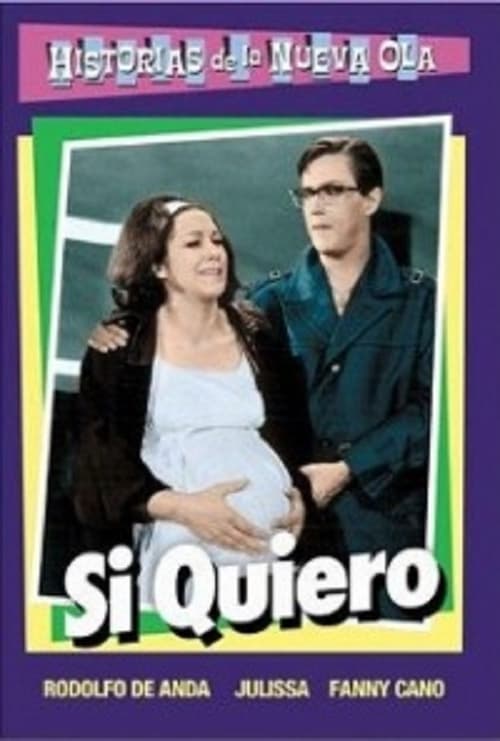
Si Quiero (1967) is a traditional romantic comedy that adheres to the social and narrative conventions of the Mexican Golden Age. The film focuses on the everyday challenges faced by young married couples, reinforcing mid-20th-century ideals of marriage and family. The production does not intentionally address issues related to multiple aspects of identity or progressive values. It functions as a reflection of its time, prioritizing traditional hierarchies over disrupting gender roles, identity, or institutional norms. Since the narrative relies on standard genre clichés, it provides limited representation for underrepresented identities or non-traditional lifestyles.
Category Breakdown
The film follows typical romantic storylines of its time and does not include any non-straight relationships or critiques of the assumption that everyone is straight.
The story centers on traditional family dynamics and the challenges of married life, relying on gender roles from the 1960s without challenging male dominance or empowering women.
The cast seems to consist of actors from similar ethnic backgrounds, reflecting the cultural homogeneity of the period. The film does not incorporate diverse ethnic backgrounds or challenge ethnic hierarchies.
The storyline emphasizes the importance of stable marriages and traditional moral values. It upholds the nuclear family structure without presenting anti-institutional or secular viewpoints.
There is no indication of characters with physical or neurodivergent disabilities in the film.
Present on Screen
Limited or Absent
Official Synopsis
Newlyweds find married life to be challenging.
1968

1962
1966
1967

1969

2013

1972
1944
No reviews yet. Be the first to share your thoughts on this movie!
Use the rating form above to leave a star rating and optional review.