
The Angel Was Born
1969
No user ratings available yet
Diversity score: 6.6 out of 10
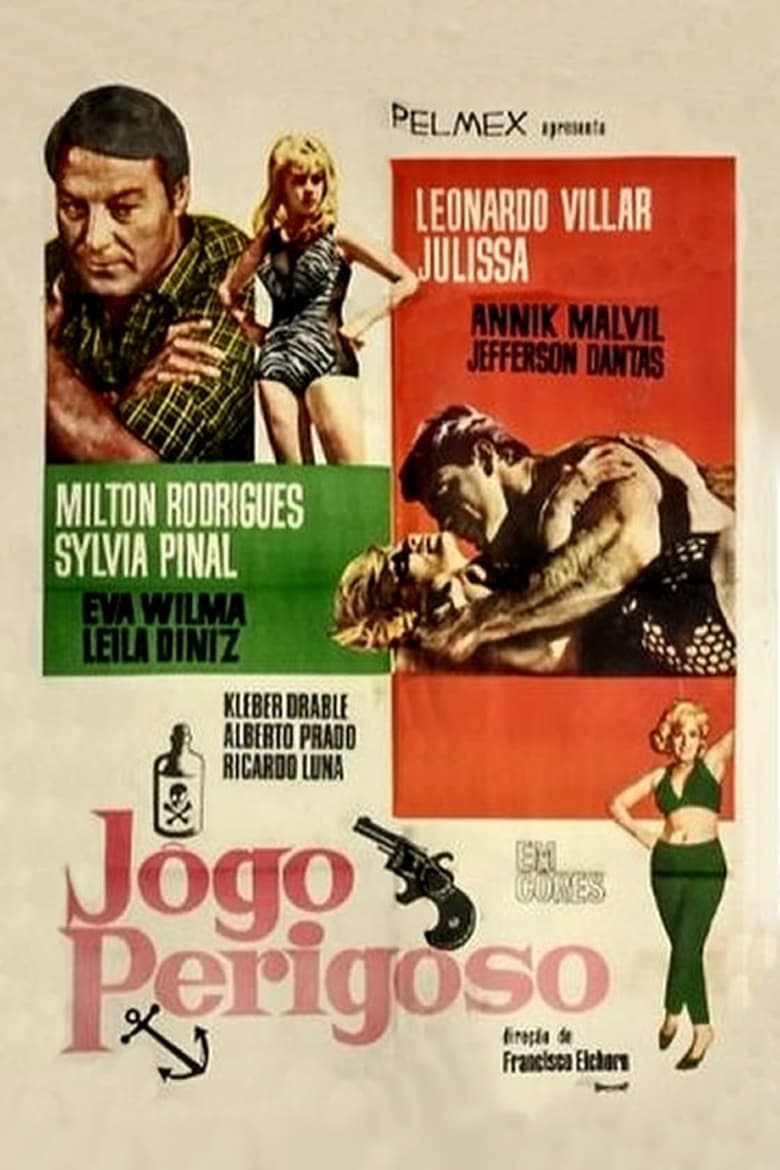
1967
Director
Luis Alcoriza, Arturo Ripstein
Runtime
94 minutes
Average Rating
No ratings yetSynopsis
Two dark-comedy stories involving blackmail, murder and love triangles in Rio de Janeiro
Overall Score
Fair
Category Breakdown
LGBTQ+ Representation
The film does not explicitly center non-cisnormative identities or same-sex intimacy. Sexual tensions function as tools for psychological manipulation rather than explorations of queer identity.
Gender Representation
Women are depicted with significant psychological depth, often driving the tension. The narrative subverts traditional gender hierarchies by stripping away conventional domestic expectations.
Racial & Ethnic Diversity
The setting of Rio de Janeiro and Mexican cast highlight socioeconomic stratification. The film focuses on class-based identity and critiques colonial-era social structures.
Religious & Cultural Diversity
The film excels in critiquing established institutions and bourgeois decorum. It portrays traditional Western morality as a hollow facade for human cruelty and decadence.
Disability Representation
There is no significant evidence of characters with visible or invisible disabilities. The plot focuses instead on psychological volatility and socioeconomic status.
Strengths
Areas for Improvement
AI Analysis
Dangerous Game is a sophisticated critique of social strata that prioritizes systemic deconstruction over explicit identity markers. While it lacks modern representation for LGBTQ+ and disability communities, it succeeds in challenging the stability of the status quo. The film's strength lies in its cultural subversion, using moral relativism to expose the emptiness of upper-class social contracts. It replaces traditional domesticity with high-stakes psychological games that reveal raw human agency. Ultimately, the work functions as a progressive cinematic critique of institutional stability, even if it operates through a lens of class-based friction rather than broad racial intersectionality.
1969

1967
1985
1966

1984
1985

2012
1975
1982
1968

1971
1981
No reviews yet. Be the first to share your thoughts on this movie!
Use the rating form above to leave a star rating and optional review.