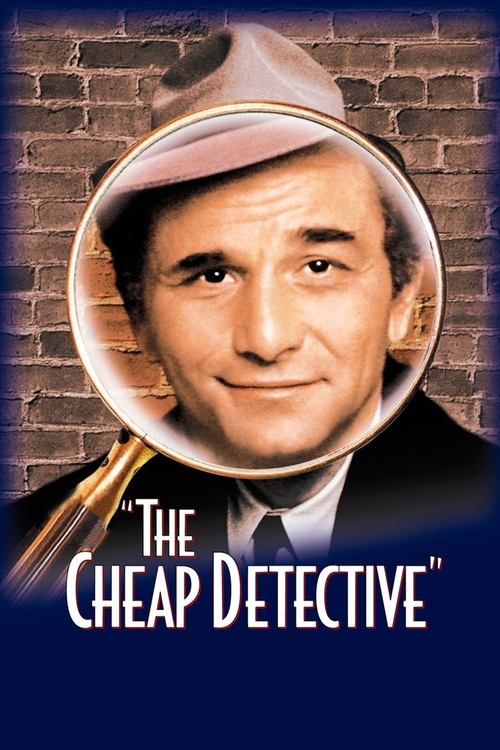
The Cheap Detective
1978
No user ratings available yet
Representation score: 0.8 out of 10
Representation Score
Fair
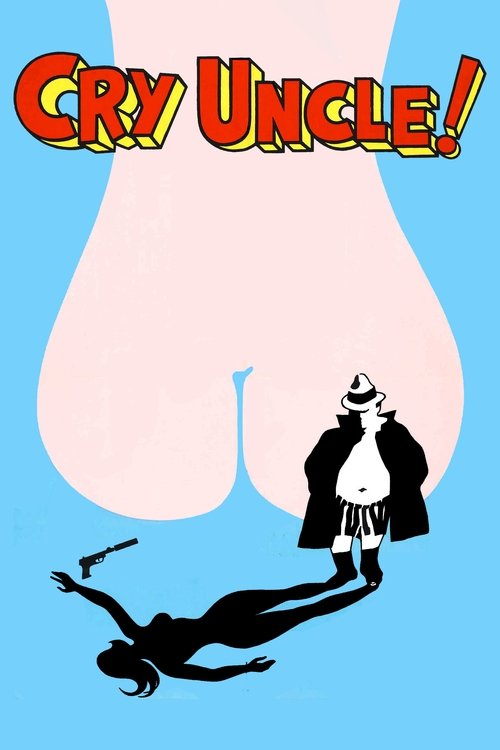
1971
RDirector
John G. Avildsen
Runtime
87 minutes
Average Rating
No ratings yetNew Showbiz Analysis
John G. Avildsen’s film is a gritty, character-driven crime comedy that finds its strength in social critique rather than demographic breadth. The setting of New Orleans provides a necessary layer of racial and ethnic texture, grounding the plot in a realistic, multi-ethnic milieu. However, the film remains limited by its narrow focus on masculine dynamics and a lack of representation for LGBTQ+ identities or characters with disabilities. The narrative prioritizes the deconstruction of patriarchal archetypes over the inclusion of diverse lived experiences. Ultimately, the film succeeds as a study of class friction and moral ambiguity. It trades traditional heroism for a more complex look at how individuals navigate corrupt socioeconomic hierarchies.
Category Breakdown
The film does not include any LGBTQ+ characters or explore non-straight relationships. It adheres to traditional romantic and family dynamics typical of the era's crime-comedy genre.
The narrative focuses on masculine dynamics, emphasizing paternal legacies and inheritance. Although it avoids a stable patriarch by showing a corrupt father figure, women have little control over their lives and actions.
Set in early 20th-century New Orleans, the film features characters of African American and Creole descent. This inclusion reflects the historical multi-ethnic makeup of the region.
The story critiques class stratification and the moral compromises of the wealthy. It uses moral relativism to challenge traditional morality through characters navigating a corrupt system.
There is no meaningful depiction of visible or invisible disabilities. Characters with disabilities are not used as central figures or part of the film's thematic exploration.
Present on Screen
Limited or Absent
Official Synopsis
Private detective Jack Masters takes on a case and gets mixed up in murder, sex and blackmail.
1978
1983

1999
1975
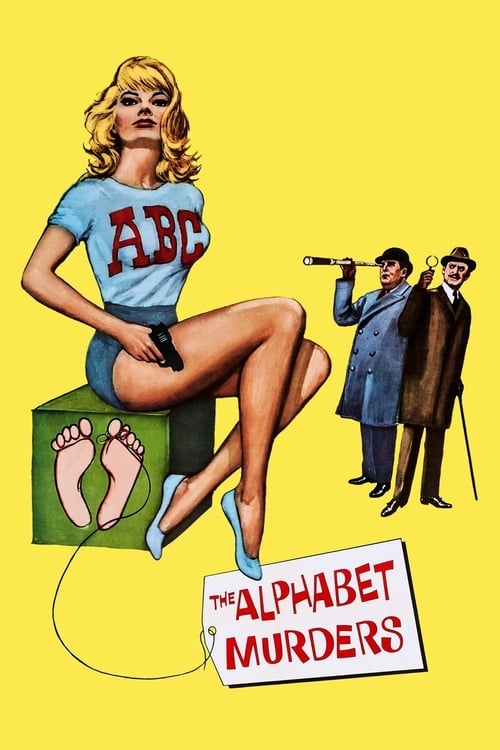
1965
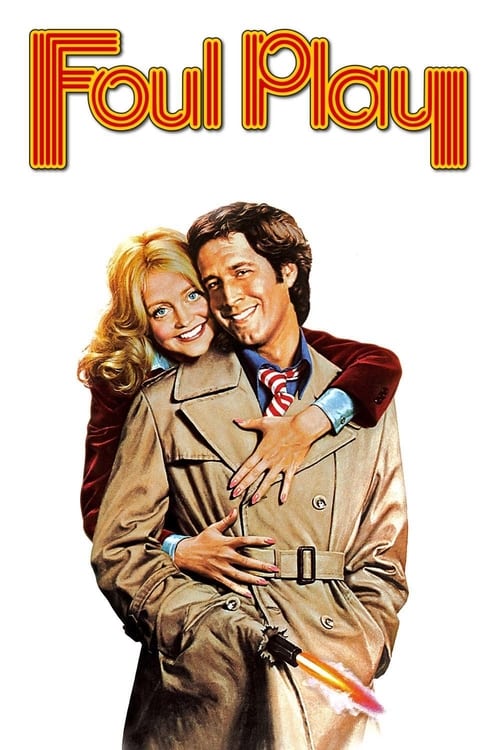
1978
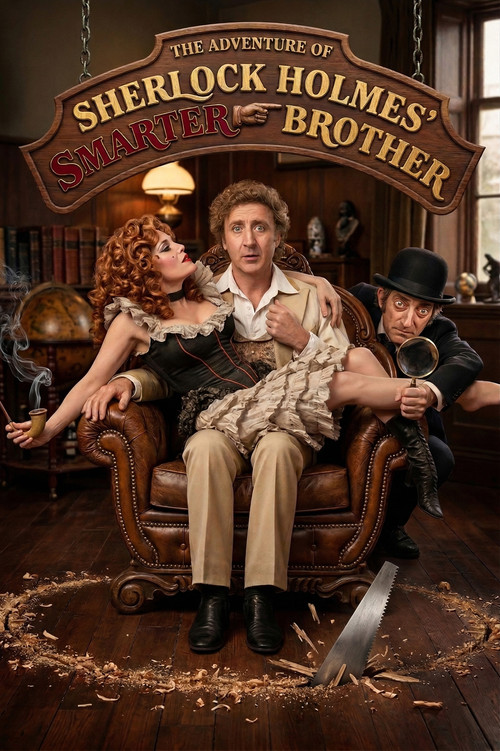
1975

1973
No reviews yet. Be the first to share your thoughts on this movie!
Use the rating form above to leave a star rating and optional review.