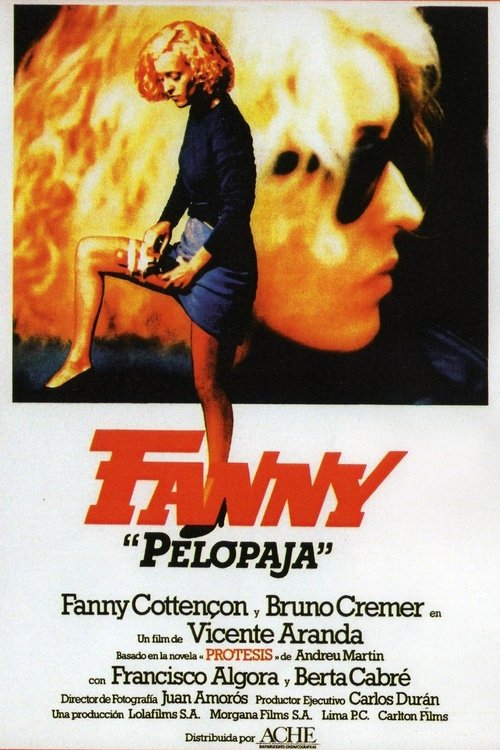
Fanny Straw-Top
1984
No user ratings available yet
Diversity score: 5.4 out of 10
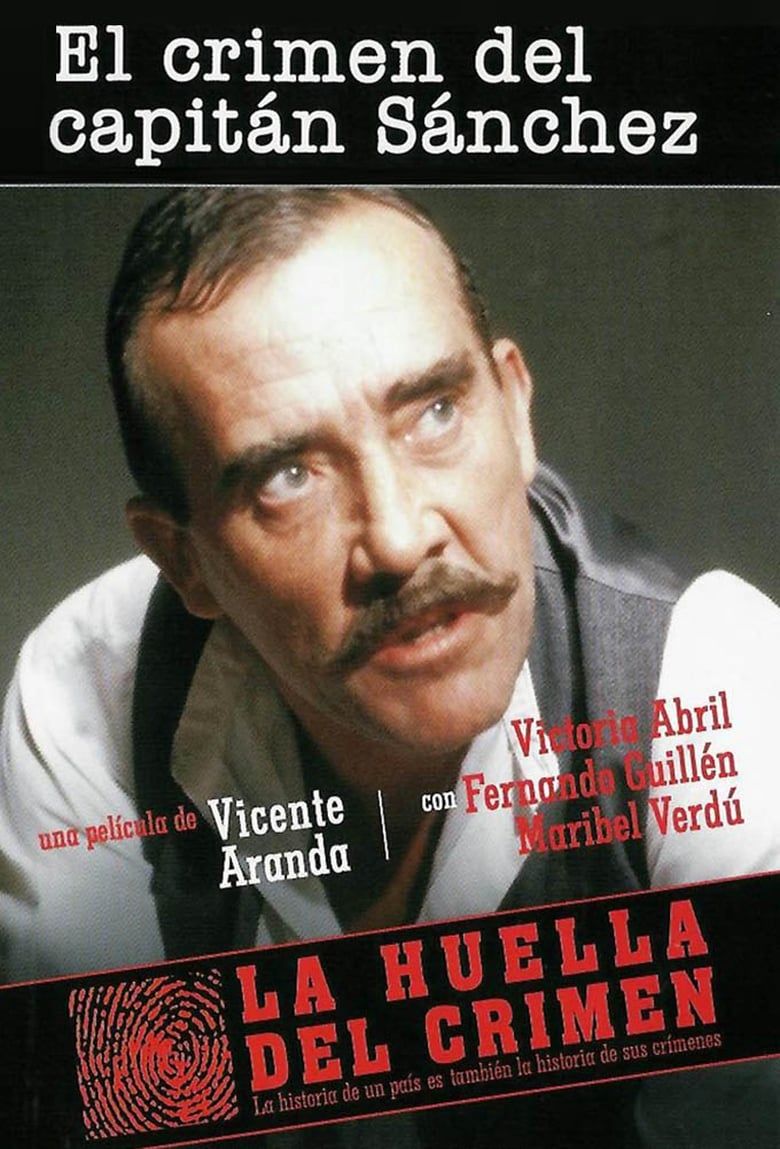
1985
Director
Vicente Aranda
Runtime
63 minutes
Average Rating
No ratings yetSynopsis
Madrid, Spring 1913. During a visit to the casino, a beautiful 20 year-old woman catches the eye of a 50 year-old rich widower. But the gamble he is about to commit is far greater than he suspects.
Overall Score
Limited
Category Breakdown
LGBTQ+ Representation
The film operates within conventional heteronormative frameworks typical of 1913 period dramas. There is no evidence of non-cisnormative identities or same-sex intimacy.
Gender Representation
The narrative explores power through a traditional patriarchal gaze. While the female protagonist may possess subtextual agency, the film remains anchored in period gender hierarchies.
Racial & Ethnic Diversity
Set in 1913 Madrid, the film reflects the demographic homogeneity of the era. It prioritizes socioeconomic class tensions over racial or ethnic intersectionality.
Religious & Cultural Diversity
The story engages with the friction between individual desire and institutional authority. It explores moral complexity through social transgression rather than rigid morality.
Disability Representation
There is no discernible focus on visible or invisible disabilities. No characters appear to be utilized as plot devices related to health conditions.
Strengths
Areas for Improvement
AI Analysis
Vicente Aranda’s crime drama focuses on the volatile intersection of age, wealth, and social status in early 20th-century Spain. The film prioritizes psychological tension and the deconstruction of power dynamics over modern intersectional representation. While the narrative avoids simple moral binaries by exploring the fallout of a criminal gamble, it remains largely confined to the demographic and social constraints of its historical setting. The central conflict relies on traditional tropes of predatory relationships and class-based friction. Ultimately, the film serves as a character-driven study of authority and desire, though it lacks significant diversity in terms of gender, race, or sexual orientation.
1984
1966
1961
1959

1952
1949

2009
1991
1957
1964

2019
1967
No reviews yet. Be the first to share your thoughts on this movie!
Use the rating form above to leave a star rating and optional review.